BIR reports rising demand for recycled plastics amid Middle East disruption
Business
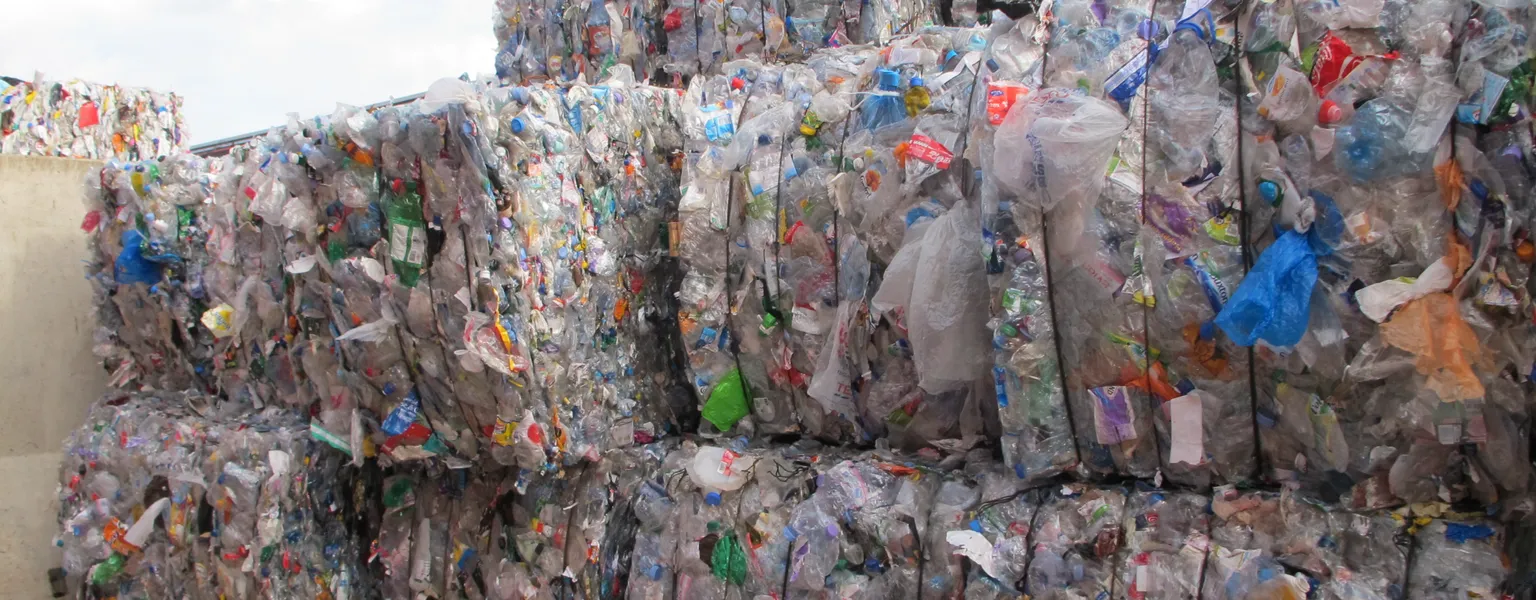
The Bureau of International Recycling (BIR) has reported a sharp shift in plastics markets, with demand for recycled materials increasing and prices moving upwards following recent geopolitical disruption in the Middle East.
According to BIR, the downward price trend seen over the past two years has reversed, as supply constraints and higher costs for virgin plastics reshape market dynamics. The organisation states that demand for recycled plastics is now exceeding supply on a structural basis.

BIR attributes the shift to wider disruption in global petrochemical supply chains, which has led to significant increases in the cost of virgin materials such as polypropylene (PP), polyethylene (HDPE and LDPE), polystyrene (HIPS), acrylonitrile butadiene styrene (ABS) and polyethylene terephthalate (PET). In some cases, prices for virgin grades have more than doubled within a short period.
While recycled plastic prices have also risen, BIR notes that increases have been more moderate, typically in the range of 20% to 30%. However, the organisation highlights that strong demand, combined with market uncertainty, is contributing to supply shortages. It adds that some companies are building up stocks of raw materials, further tightening availability.
BIR reports a shift in procurement strategies among end users, with companies placing greater emphasis on security of supply. This has led to increased interest in sourcing recycled materials from within Europe and a growing willingness to enter into long-term supply agreements.
Despite the renewed focus on recyclates, BIR questions whether the current trend will prove lasting or remain linked to short-term market conditions. Even if geopolitical tensions ease, the organisation expects disruption to continue, with supply chains potentially taking up to a year to stabilise.
The report also highlights the impact of regulatory developments, including the revised EU Waste Shipment Regulation, which will restrict the export of plastic waste and is expected to increase the volume of material available for recycling within Europe.
However, BIR notes that the European recycling sector may face challenges in responding to increased demand, citing reduced capacity in recent years due to consolidation and company closures.
The organisation also points to ongoing debate around the Packaging and Packaging Waste Regulation (PPWR), following a letter from more than 130 companies to the European Commission calling for delays and revisions. According to BIR, the situation highlights the importance of clear and consistent policy frameworks to support long-term investment in recycling infrastructure.
BIR concludes that stable and enforceable regulation will be key to reducing market volatility and ensuring that demand for recycled plastics is driven by structural factors rather than external pressures such as raw material pricing or geopolitical events.
Related News
-
Business
How rising oil prices could impact the packaging industry
-
Sustainability
Dreco launches powder detergent packaging with 50% post-consumer recycled content
-
Sustainability
Reusable recycled cups to be used at Eurovision Song Contest
-
Events
Plastics Recycling Show Europe marks 10th anniversary in Amsterdam
-
Sustainability
Cadbury introduces 65% recycled plastic packaging for Mini Eggs bags
Advertisement

Latest Packaging News

Grated cheese goes pocket-sized with limited-edition clip-on packaging
Kraft Natural Cheese has introduced Pocket Parm™, a limited-edition miniature version of its grated...
Truly Grass Fed updates packaging in response to consumer preferences
Truly Grass Fed has introduced a refreshed packaging design across its dairy product range, with a...
Miron® introduces refreshed brand identity and website
A new digital experience brings protective glass packaging, expertise, and inspiration together...
Raft of new exhibitors completes the UKPackaging EXPO 2026 line-up
A surge of newly confirmed exhibitors has finalised the floor plan for the highly anticipated...