FAO report calls for robust risk assessment for recycled plastic food packaging

Sustainability
The growing use of recycled plastic in food packaging and other food contact materials offers clear environmental benefits but also raises crucial chemical safety concerns that underscore the need for discussion on globally harmonized standards, according to a new report by the Food and Agriculture Organization of the United Nations (FAO).
The report, titled Food safety implications of recycled plastics and alternative food contact materials, comes amid a steady rise in the global food packaging market - estimated at $505.27 billion in 2024 and projected to reach $815.51 billion by 2030.
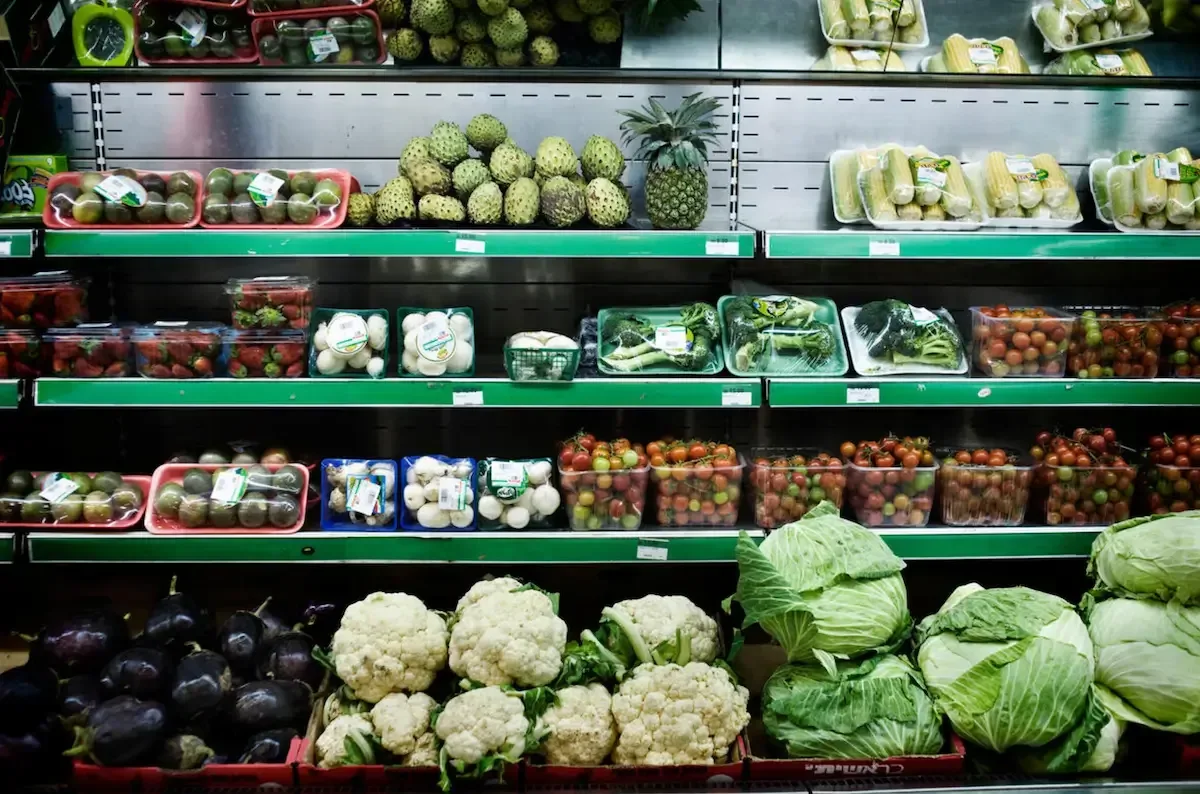
Snacks, ready‑made meals, fast food, confectionery, and bottled beverages illustrate how shifting consumption patterns and lifestyle changes are fueling demand for food packaging.
Food contact materials (FCMs) play an important role in reducing food loss and waste by extending shelf life and protecting food quality, thereby helping to lower production costs, improve agrifood systems efficiency, support food security and nutrition, and contribute to environmental sustainability.
However, the widespread use of plastic-based FCMs with long environmental half-lives is contributing to a global plastic waste epidemic, prompting a gradual shift to recycled plastics.
While less than 10 percent of plastic waste generated globally has been recycled so far, this share is expected to grow for sustainability reasons, raising important food chemical safety questions.
The report argues that environmental objectives must be pursued in parallel with health concerns stemming from potential chemical contamination and migration from FCMs into food.
We want to recycle more plastic, but we also want to make sure that by solving one problem we don't create new problems. Food safety must be a central consideration in the transition towards more sustainable agrifood systems and food consumption patterns.
Corinna Hawkes, Director of the Agrifood Systems and Food Safety Division at FAO.
Protecting the environment and public health
The timely evaluation of food safety issues is critical to enabling recycled and alternative FCMs to reach their full potential while protecting consumer health and ensuring fair trade.
An area of concern is the potential introduction of new hazards associated with feedstock sources - such as pesticides, natural toxins, or allergens - in bio‑based FCMs derived from natural and renewable resources such as corn, sugarcane, and cassava. Additional concerns arise from the use of new intentionally added substances, such as nanomaterials, which are used to improve material performance or enable active packaging functions.
The report calls for the effective cleaning and removal of chemicals during plastic recycling processes specifically designed for FCMs. Suitable waste stream control and sorting systems can separate food‑use plastic packaging materials before recycling according to synthetic polymer‑specific Resin Identification Codes.
Addressing rising public concern about exposure to micro- and nanoplastics in food and beverages requires validated analytical methods for their detection and identification. The current lack of such methods has so far prevented regulatory agencies from determining a clear risk to human health, the report argues.
Finally, there are potential global trade issues due to the lack of regulatory harmonization.
Going forward, the report’s findings are expected to inform discussions at the Codex Alimentarius Commission, an intergovernmental body established in 1963 by FAO and the World Health Organization (WHO) to develop international food standards, guidelines and codes to ensure food safety and facilitate trade.
The report notes that ongoing discussions within Codex Alimentarius on the food safety aspects of using recycled plastics in food packaging have further highlighted a global need for regulatory harmonization of FCMs across countries.
Harmonizing global regulatory frameworks would not only support robust, science‑based risk assessments to ensure the safe production and use of recycled FCMs, but would also contribute to achieving current and future international objectives for reducing plastic waste, the report argues.
This article was originally published by the FAO.
Related News
-
Events
intperack: Announcing the winners of the SAVE FOOD Awards and the 2026 project competition
-
Sustainability
Major retailers trial reusable mushroom packaging in Belgium
-
Sustainability
Synthetic compostable packaging excluded from USDA organic standards
-
Sustainability
Scientists turn grapevine waste into clear, strong films that vanish in days
-
Sustainability
Glass bottles contain more microplastics than plastic ones, study finds
Advertisement

Latest Packaging News

Grated cheese goes pocket-sized with limited-edition clip-on packaging
Kraft Natural Cheese has introduced Pocket Parm™, a limited-edition miniature version of its grated...
Truly Grass Fed updates packaging in response to consumer preferences
Truly Grass Fed has introduced a refreshed packaging design across its dairy product range, with a...
Miron® introduces refreshed brand identity and website
A new digital experience brings protective glass packaging, expertise, and inspiration together...
Raft of new exhibitors completes the UKPackaging EXPO 2026 line-up
A surge of newly confirmed exhibitors has finalised the floor plan for the highly anticipated...