NPP: When to automate cup and pot filling in your production line

Supplier News
For many food, pharmaceutical and cosmetics manufacturers, manual cup and pot filling is the natural starting point in production. It offers flexibility, keeps initial costs low and allows businesses to bring products to market quickly.
However, as production volumes increase, manual filling processes can quickly become a bottleneck. Investing in an automated cup and pot filling system is often the next logical step for manufacturers looking to improve efficiency, maintain consistent product quality and scale production with confidence. Here we explore the many benefits of cup and pot filling machinery and examine when is the right time to make that transition to an automated system.
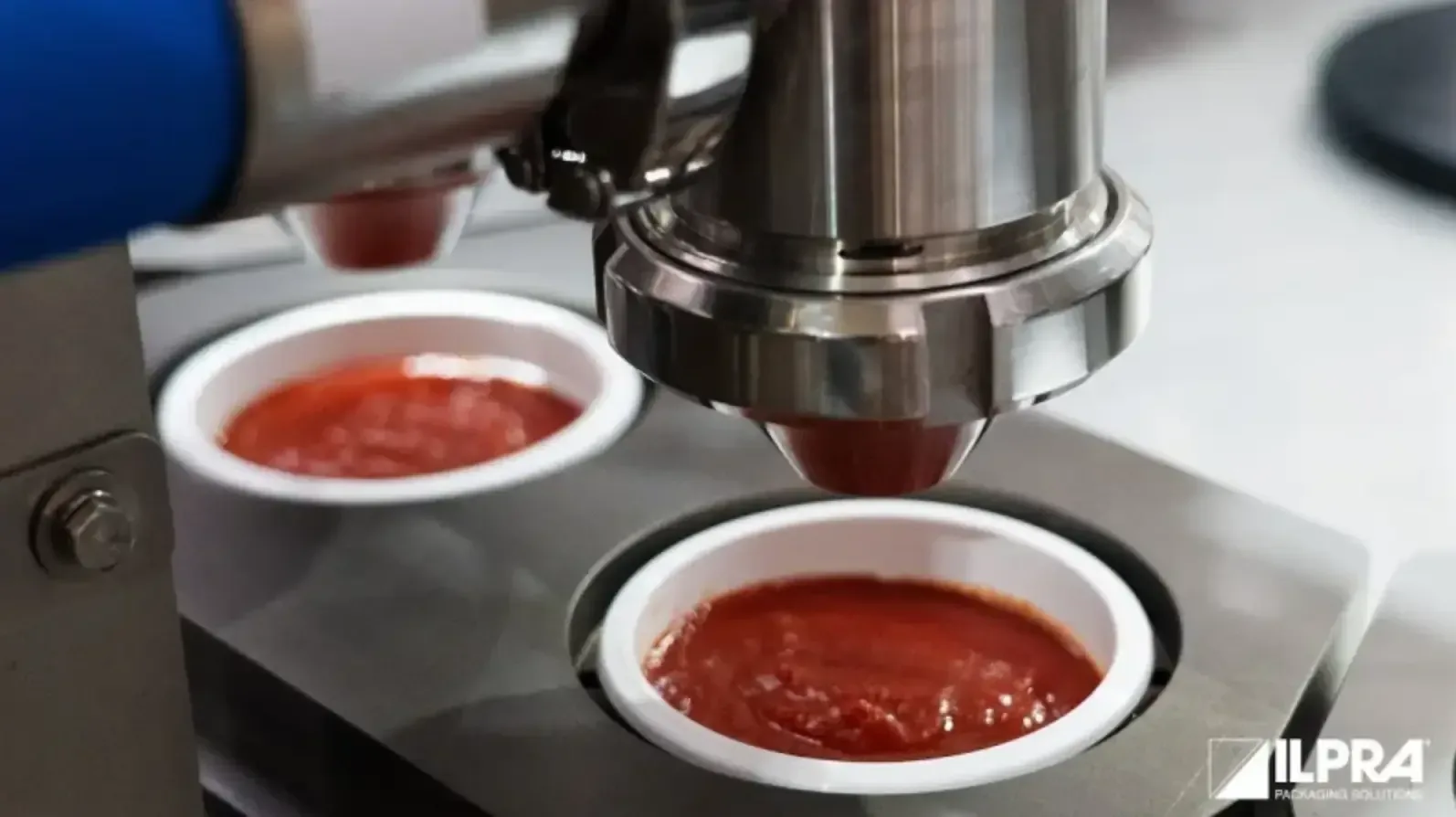
The benefits of automated cup and pot filling equipment
Improved filling accuracy and product consistency
Automated pot filling machinery ensures precise control during filling. Volumetric or weight-controlled dosing guarantees accurate portioning and eliminates potential overfilling, leakage, and product waste.
Increased output and production eEfficiency
Manual filling relies on your operator to portion, fill and seal cups or pots by hand. For small batch production and startup operations this works well, but as production demand increases, it can become a struggle to keep up with demand.
Automation offers significant increases in processing speeds to meet existing demand and to ensure the potential toscale operations in the future.
Labour savings
Filling is a time consuming and labour-intensive process that requires significant manual input from operators. In a market where labour availability is difficult, an automated solution will enable continuous operation with minimal manual intervention, helping to safeguard production output.
Versatility and adaptability
Automated filling machinery offers ease of customisation, offering producers great flexibility when dealing with multiple product lines. Multiple packaging systems, such as sealing, gas flush, MAP and vacuum can be supported, and many systems can be equipped with mulithead dosers for even greater versatility and output. User friendly control panels facilitate simple, and quick changeover between pot and cup sizes and materials.
Today’s systems can accommodate a wide range of products including:
- Sauces and condiments
- Soups and ready meals
- Dairy products and yoghurts
- Powders and supplements
- Creams, gels and cosmetic products
Hygiene and safety
By automating the filling process, contact between the operators and the product is minimised, reducing the risk of contamination from external sources.
Automated filling machines are designed to meet strict sanitary requirements, with many supporting CIP systems for thorough cleaning, and offering automated cleaning cycles.
When is the right time to automate your filling process?
Every production environment is different, but there are several clear indicators that it may be time to invest in automated cup and pot filling equipment.
Your production line cannot keep up with demand
If customer lead times are increasing, overtime is becoming routine or production capacity is limiting growth opportunities, manual filling processes may no longer be sustainable.
Automation enables higher throughput and more predictable production scheduling, helping businesses meet growing demand while maintaining product quality.
Labour availability
In the current market, the availability of labour can be a concern for many organisations. If you are struggling to fill operator positions and it is affecting output and efficiency, it is time to consider an automated approach.
Inconsistent quality
Inconsistent fill weights, poor sealing performance or excessive product giveaway are often signs that manual processes are reaching their limitations.
Automated systems provide repeatable accuracy and greater control over critical production parameters, helping manufacturers maintain consistent quality standards.
Production bottlenecks within the processing line
If your filling and sealing area is causing a bottleneck in your production line, it is time to consider an automated approach. This is particularly apparent if processes along the line have already been automated, with the slower filling area reducing overall processing efficiency and output.
Product range is expanding
When introducing new products or SKUs with varying consistencies, new portion sizes, or new pot types, manual changeovers can be complex and slow,
Modern pot filling systems are designed to handle multiple container sizes and materials and products with differing consistencies easily processed. Simple tool free adjustments and stored programmable recipes, ensure quick changeovers and keep downtime to a minimum.
Conclusion
Automated cup and pot filling systems provide manufacturers with a reliable and scalable solution for increasing production efficiency, improving consistency and reducing operational costs.
For businesses experiencing growing demand, labour challenges or production bottlenecks, automation can deliver significant long-term benefits across the entire packaging process.
If you are considering upgrading your current filling process, speaking with an experienced packaging machinery supplier can help identify the most suitable solution for your production requirements, output targets and product types.
This article was originally published by Grainne Carroll, NPP.

Related News
-
Supplier News
NPP: A guide to flexible packaging pouches
-
Supplier News
NPP: what is stretch wrapping?
-
Supplier News
NPP announced as one of Ireland’s Best Managed Companies 2025
-
Supplier News
NPP: A guide to pallet wrap machine maintenance
-
Supplier News
NPP: The benefits of automating your pallet wrapping process
Latest Packaging News

OMAG: Packaging for nutraceuticals – greater flexibility, less waste
Designing the right format means improving productivity, sustainability and the final user...
Coca-Cola, Nestlé and Danone agree to revise recycling claims on plastic bottle labels
Coca-Cola, Nestlé and Danone have agreed to amend recycling claims displayed on their plastic...
Students develop recyclable curry and rice packaging for Pho
Two students from Sheffield Hallam University have won Deliveroo's 2026 Sustainable Packaging...
Hormel introduces portioned bacon packaging to reduce food waste
Hormel has introduced a new packaging format for its BLACK LABEL Original Bacon range, designed to...