Hay fever season highlights recycling challenges for blister packaging
Sustainability
Rising temperatures across parts of the UK have coincided with an increase in hay fever-related searches, with online interest in “hayfever forecast” reportedly surging as warmer, drier conditions return. The seasonal spike is also expected to drive demand for allergy medication, bringing renewed attention to the environmental impact of pharmaceutical packaging.
Analysis by Divert suggests that millions of allergy medicine packs may be used each year in the UK. Based on a combination of over-the-counter sales data and NHS prescription figures, the company estimates that between 26 million and 40 million packs could be consumed annually, with a mid-range estimate of around 33.5 million units. The full dataset can be viewed here.
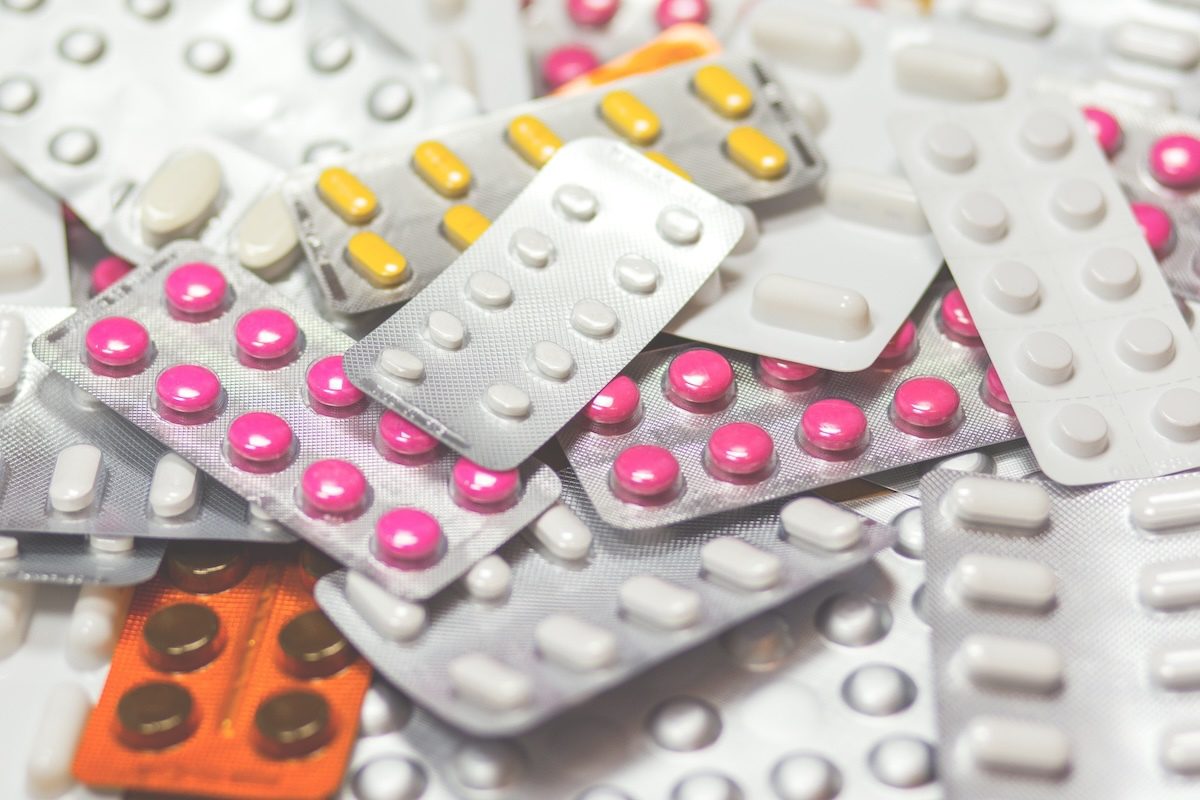
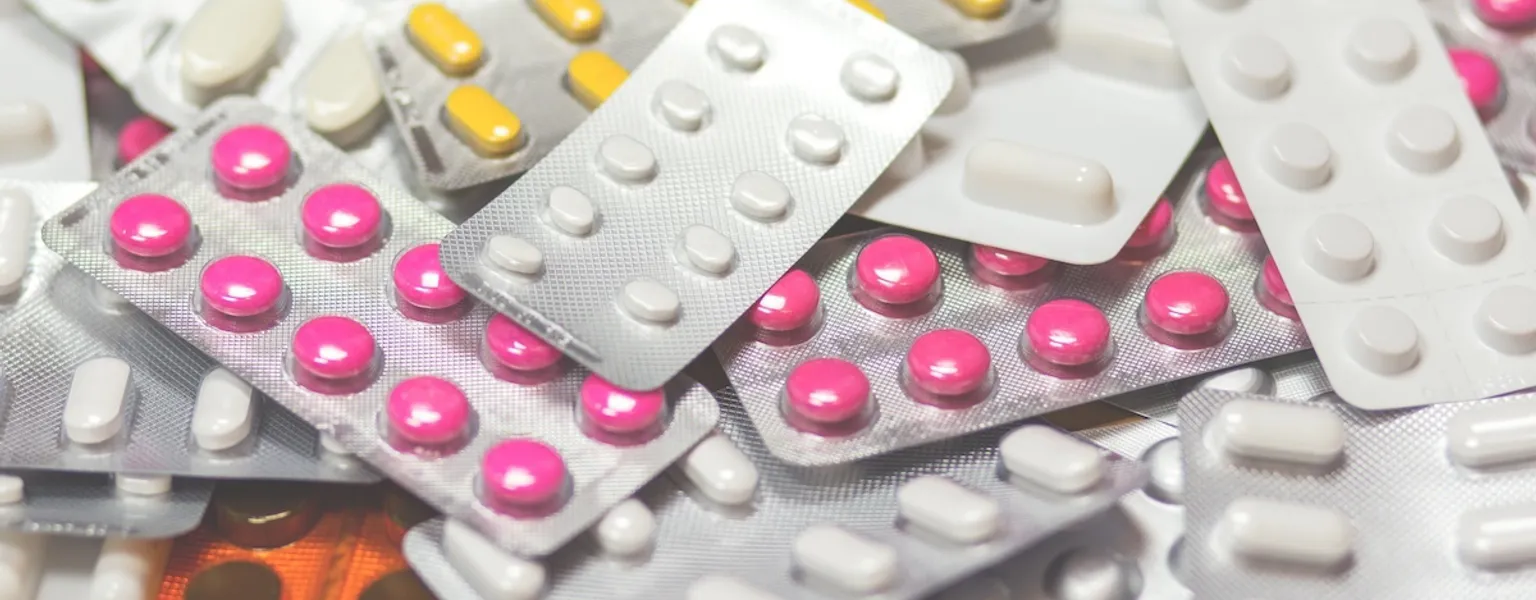
A significant proportion of these products are supplied in blister packs, which present ongoing recycling challenges. Typically made from a combination of plastic and aluminium, blister packaging is difficult to process through standard household recycling systems due to the bonded materials.
As a result, most empty blister packs are not suitable for kerbside recycling. While outer cardboard cartons can usually be recycled, the blister components often require specialist handling. Some pharmacy-led take-back schemes have begun to address this issue, with selected retailers offering collection points for used packs, although availability remains limited.
In addition to disposal challenges, the analysis highlights broader issues around consumer awareness. Recycling instructions on pharmaceutical packaging are not always clearly communicated, which can lead to incorrect disposal. This is particularly relevant during peak hay fever periods, when large volumes of medication are purchased and used over a short timeframe.
People should not feel guilty for using hay fever medication they need, but it is worth thinking about what happens to the packaging once the tablets are gone. Blister packs are made by bonding plastic and foil together, which makes them difficult to separate through standard household recycling.
The simplest thing households can do is separate the waste properly. The cardboard box can usually go in the recycling, but the blister sheet should stay out of the recycling bin unless your council clearly says otherwise. If your local pharmacy or health store offers a take-back scheme, take advantage of it if you can.
But this is also a labelling issue. Most people are not going to research medicine packaging every time they finish a pack of tablets, so clearer disposal advice on the box would help stop blister packs being put in the wrong bin during peak hay fever season.
John Verity, clinical waste expert at Divert.co.uk
According to Divert, blister packaging remains widely used due to its ability to protect medicines from moisture and contamination, while also supporting accurate dosing and product safety. Any changes to materials or formats must therefore meet strict regulatory requirements, limiting the speed at which alternatives can be introduced.
The findings point to a need for clearer on-pack labelling and expanded take-back infrastructure to help manage increasing volumes of pharmaceutical packaging waste. As seasonal demand for allergy treatments continues, the issue highlights the balance between product protection, regulatory compliance and recyclability within healthcare packaging.
Related News
-
Events
interpack 2026 showcases processing & packaging for the pharmaceutical industry
-
Sustainability
Great British Beauty Clean Up 2026 to tackle cosmetic packaging waste
-
Sustainability
New cardboard blister packs unveiled for Pritt glue stick range
-
Sustainability
UK town council introduces blister pack recycling initiative
-
Sustainability
Zyrtec refreshes packaging with plastic-free design for allergy season
Advertisement

Latest Packaging News

Grated cheese goes pocket-sized with limited-edition clip-on packaging
Kraft Natural Cheese has introduced Pocket Parm™, a limited-edition miniature version of its grated...
Truly Grass Fed updates packaging in response to consumer preferences
Truly Grass Fed has introduced a refreshed packaging design across its dairy product range, with a...
Miron® introduces refreshed brand identity and website
A new digital experience brings protective glass packaging, expertise, and inspiration together...
Raft of new exhibitors completes the UKPackaging EXPO 2026 line-up
A surge of newly confirmed exhibitors has finalised the floor plan for the highly anticipated...