UK delay to flexible plastics collections could put carbon savings at risk

Business
The UK Government has confirmed that councils in England will not be required to collect flexible plastic packaging from households until 1 April 2030, delaying the original March 2027 implementation date under the Simpler Recycling reforms.
According to analysis by BusinessWaste.co.uk, the three-year delay could put between 734,600 and 845,800 tonnes of potential carbon dioxide equivalent (CO₂e) savings at risk if flexible plastics continue to be disposed of in general waste rather than recycled.
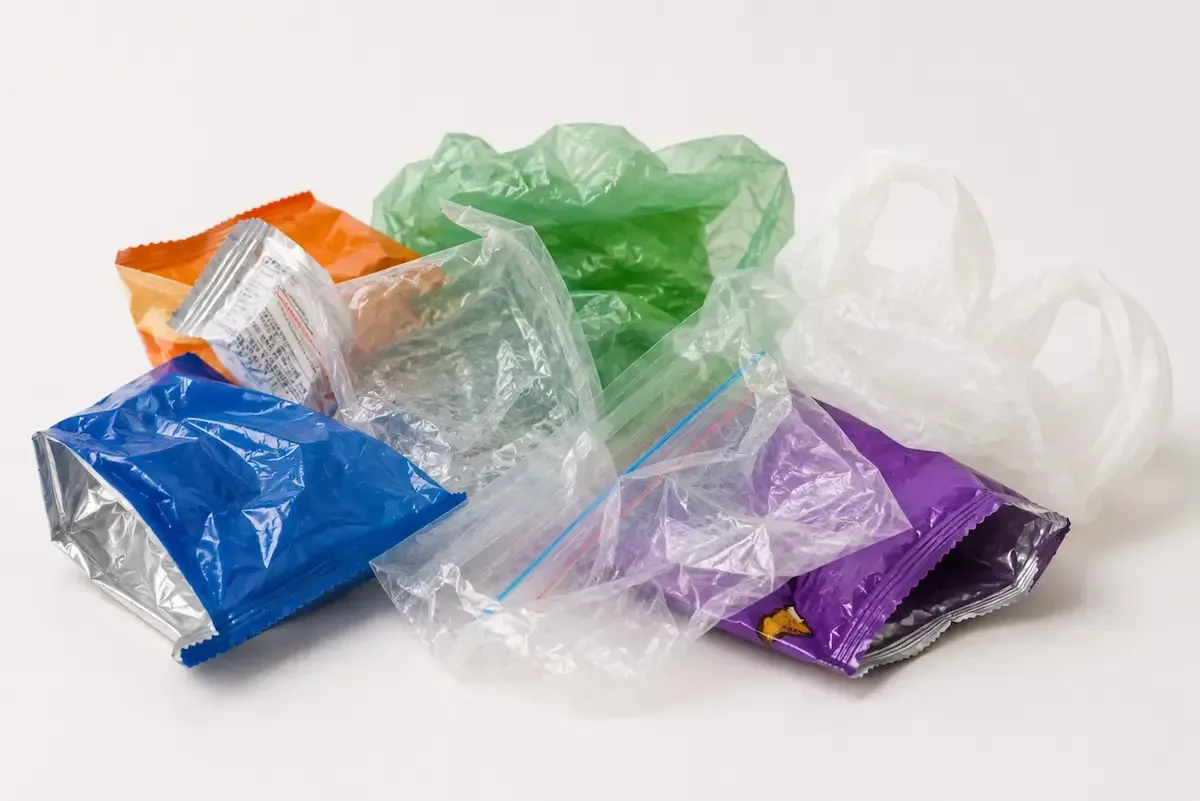
The estimates are based on findings from the FlexCollect project, which trialled household flexible plastic collections across ten local authority areas. The project estimated that more than 150,000 tonnes of flexible plastic packaging could have been collected from households during 2027.
Using this figure as a baseline, BusinessWaste.co.uk estimates that more than 450,000 tonnes of flexible plastic could be affected over the three-year delay.
The carbon calculations draw on WRAP's CarbonWARM2 data for plastic film and DEFRA figures for the treatment of municipal residual waste in England. Based on current waste management practices, around 71% of residual waste is sent to energy recovery facilities, while 29% is landfilled. Applying these proportions to the projected volume of flexible plastics results in an estimated carbon difference of between 734,600 and 845,800 tonnes of CO₂e compared with recycling.
The analysis notes that the figures are estimates and that the overall impact will depend on several factors. Some local authorities may introduce flexible plastic collections before 2030, while supermarket take-back schemes may continue to operate. Household participation rates and the availability of suitable sorting and recycling infrastructure will also influence how much material is ultimately recycled.
The Government has said the delay is intended to allow additional time for the waste and recycling sector to expand the infrastructure needed to process flexible plastics. Industry representatives have previously highlighted limited sorting and recycling capacity, while some councils have raised concerns about the costs of adapting collection services and securing suitable recycling outlets.
The delay makes sense if councils cannot be confident that the plastic they collect will actually be recycled. Asking households to separate material only for it to be rejected or burned would quickly damage trust in the system.
But with over three years until the 2030 deadline, the Government needs to set annual milestones for new sorting and reprocessing facilities, alongside clear information on where collected material will go to avoid further delays closer to the time.
For this to be effective, businesses also need certainty, as recycling facilities require time and investment, which may be prevented without clear plans. More can also happen in this time, councils that already have suitable recycling facilities shouldn’t be discouraged from introducing collections earlier, and retailers should make their take-back points easier to find and use.
The packaging itself also needs improvement. Manufacturers should use the extra time to simplify designs, remove unnecessary layers and avoid using hard-to-recycle materials. If the material being placed on the market continues to be difficult or uneconomical to process, simply changing the collection date will not solve the issue.
Mark Hall, Simpler Recycling expert at BusinessWaste.co.uk.
Flexible plastic packaging, including items such as bread bags, crisp packets and plastic film, remains one of the more challenging household packaging materials to recycle due to the specialist collection and processing systems required.
Related News
-
Sustainability
Almost 6,000 single-use cans and bottles returned at British Grand Prix
-
Business
British Glass calls for pEPR review following parliamentary debate
-
Sustainability
Three-quarters of Brits want plastic-free food packaging at major events
-
Sustainability
Single-use BBQs under fire over packaging waste and recycling concerns
-
Sustainability
British MP backs calls to accelerate plastic-free materials innovation
Advertisement

Latest Packaging News

Grated cheese goes pocket-sized with limited-edition clip-on packaging
Kraft Natural Cheese has introduced Pocket Parm™, a limited-edition miniature version of its grated...
Truly Grass Fed updates packaging in response to consumer preferences
Truly Grass Fed has introduced a refreshed packaging design across its dairy product range, with a...
Miron® introduces refreshed brand identity and website
A new digital experience brings protective glass packaging, expertise, and inspiration together...
Raft of new exhibitors completes the UKPackaging EXPO 2026 line-up
A surge of newly confirmed exhibitors has finalised the floor plan for the highly anticipated...