Tetra Pak and Lactogal slash milk carton carbon footprint by one third
Supplier News
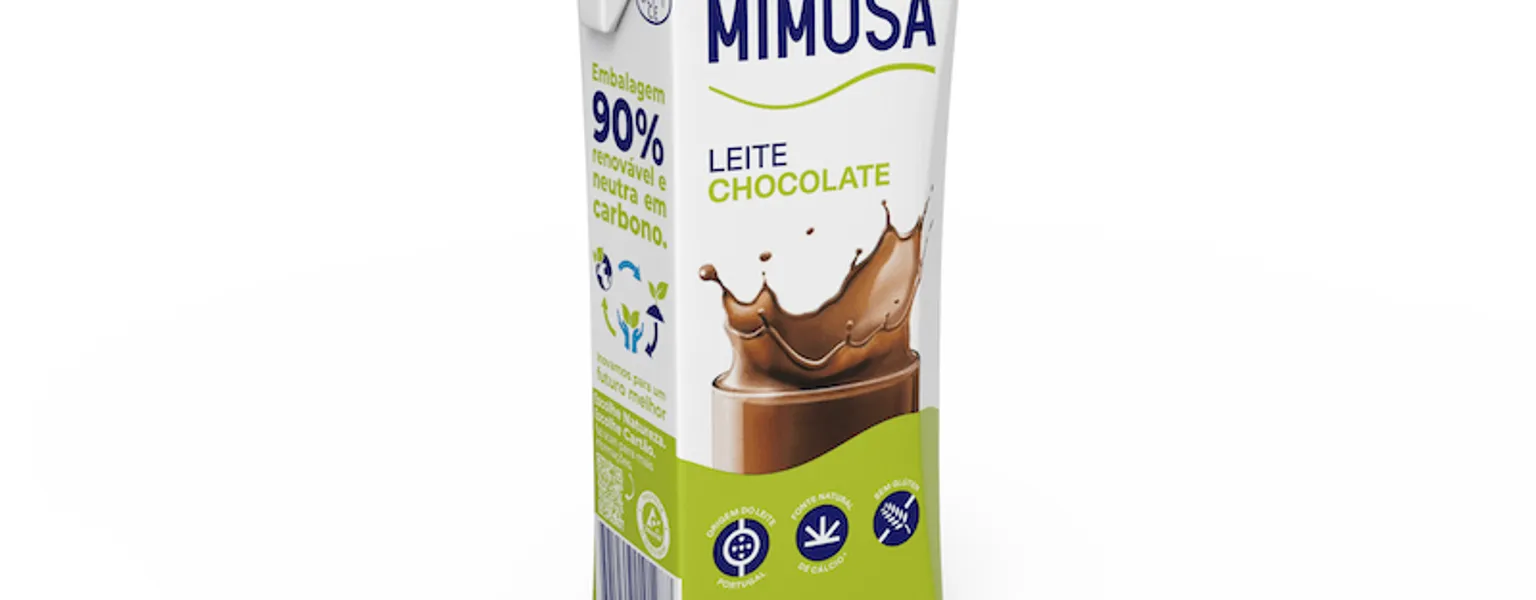
Following successful commercial consumer testing in 2022, Tetra Pak and Lactogal have now launched an aseptic beverage carton featuring a paper-based barrier. This is part of a large-scale technology validation, involving around 25 million packages and currently ongoing in Portugal. Made of approximately 80% paperboard, the package increases the renewable content to 90%, reduces its carbon footprint by one third (33%) and has been certified as Carbon Neutral by the Carbon Trust™.
Greenhouse gas emissions, food waste and plastic littering are cited as the top three environmental sustainability concerns facing food and beverage (F&B) businesses today, and this is expected to remain the case over the next five years. Packaging solutions like these, that expand the amount of paper and lower the carbon footprint, while ensuring food safety, can help the industry overcome these challenges.
In 2015, Tetra Pak was the first in the industry to introduce a package made fully from plant-based renewable materials - paperboard and sugarcane-based plastic. The Tetra Rex® Plant-based package, suitable for cold chain distribution, is fully renewable, and the company has delivered approximately 6.5 billion of these packages to customers around the world to date.
Now, the launch of the Tetra Brik® Aseptic 200 Slim Leaf carton with paper-based barrier, together with Lactogal, provides a package that can be distributed under ambient conditions, while hitting the 90% renewable content mark. This brings Tetra Pak one step closer to its ambition of a beverage carton made solely from responsibly sourced renewable or recycled materials, fully recyclable and carbon neutral. The company is aiming for industrial scale production of the solution by 2025.

José Capela, President of Lactogal, comments: Our collaboration with Tetra Pak centres on a shared belief that a more sustainable future is possible. Innovating together is a big part of that. We are both focused on an ambitious sustainability transformation, and this new carton’s 33% reduction in greenhouse gas emissions, together with its Carbon Neutral certification by the Carbon Trust™, is a significant achievement towards this goal.
In 2022, together with its industry partners in the Alliance for Beverage Cartons and the Environment (ACE), Tetra Pak jointly adopted Design for Recyclability guidelines for beverage cartons, which provide technical guidance for optimised recycling of this type of packaging. More recently, the 4evergreen alliance added beverage packaging design guidance to its fibre-based circularity toolset. 4evergreen is a cross-industry platform that aims to boost the contribution of fibre-based packaging in a circular and sustainable economy, with Tetra Pak amongst its founding members. Their updated Circularity by Design Guideline covers fibre-based composite packaging types (including beverage cartons) and informs designers on their compatibility with specialised recycling processes.
Ola Elmqvist, Executive Vice President Packaging Solutions, Tetra Pak adds: The development represents a critical marker in our longstanding work to design beverage cartons for recycling – something that is continuing to set the pace for the paperisation of packaging. By joining forces with Lactogal, we’re now demonstrating that it’s possible to progress the sustainability of aseptic beverage cartons while securing food safety and enhancing food access.
This article was originally published by Tetra Pak.

Related News
-
Sustainability
Paper-based ice cream wrap moves towards commercial rollout
-
Supplier News
Tetra Pak and Sterilgarda Alimenti launch 'industry-first' 1-litre aseptic carton with paper-based barrier
-
Business
Tetra Pak and García Carrión launch 'world-first' paper-based barrier for juice packaging
-
Supplier News
Tetra Pak launches new automation and digitalisation solutions for the food and beverage industry
-
Supplier News
Costco to sell planters made from recycled cartons in collaboration with Tetra Pak & Keter
Latest Packaging News

OMAG: Packaging for nutraceuticals – greater flexibility, less waste
Designing the right format means improving productivity, sustainability and the final user...
Coca-Cola, Nestlé and Danone agree to revise recycling claims on plastic bottle labels
Coca-Cola, Nestlé and Danone have agreed to amend recycling claims displayed on their plastic...
Students develop recyclable curry and rice packaging for Pho
Two students from Sheffield Hallam University have won Deliveroo's 2026 Sustainable Packaging...
Hormel introduces portioned bacon packaging to reduce food waste
Hormel has introduced a new packaging format for its BLACK LABEL Original Bacon range, designed to...