New survey: more than half of UK adults shopping for fresh fruit and veg prefer loose over packaged
Sustainability
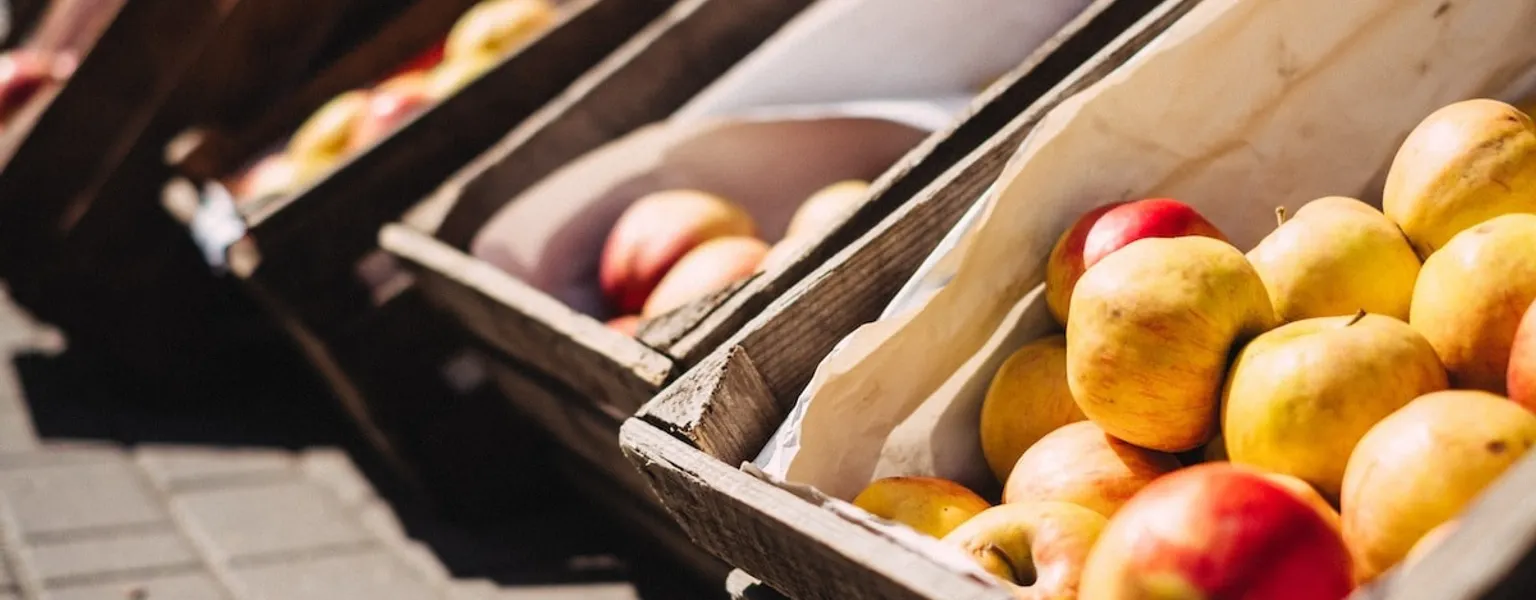
According to a new Love Food Hate Waste survey, conducted with adults in the UK (16+) who buy fresh fruit and vegetables, 78% said they would be likely to buy their usual fruit and veg loose if they were sold that way, which was one of the highest given answers compared to other packaging formats – followed by paper bags or sacks (77%) and cardboard trays/boxes and cartons (75%).
On the other hand, less than half said they would be likely to buy their usual fruit and veg in plastic packaging, such as plastic trays/boxes/cartons (46%), and plastic bags/sacks (47%). The only packaging format with a lower preference score was wooden crates (43%). When survey respondents were asked about the fresh fruit or vegetables they buy most often, on balance, loose came out on top – 56% preferred loose compared to 39% who preferred packaged.
Of the 56% who would prefer their fruit and veg loose, over two thirds (68%) say this would allow them to buy exactly the amount they need.
When asked their reasons for why they throw away food that they had not eaten 75% of UK adults (16+) who admitted to doing this, stated that the food was out of date/had gone off, indicating that people are wasting food and buying more than they have time to use.
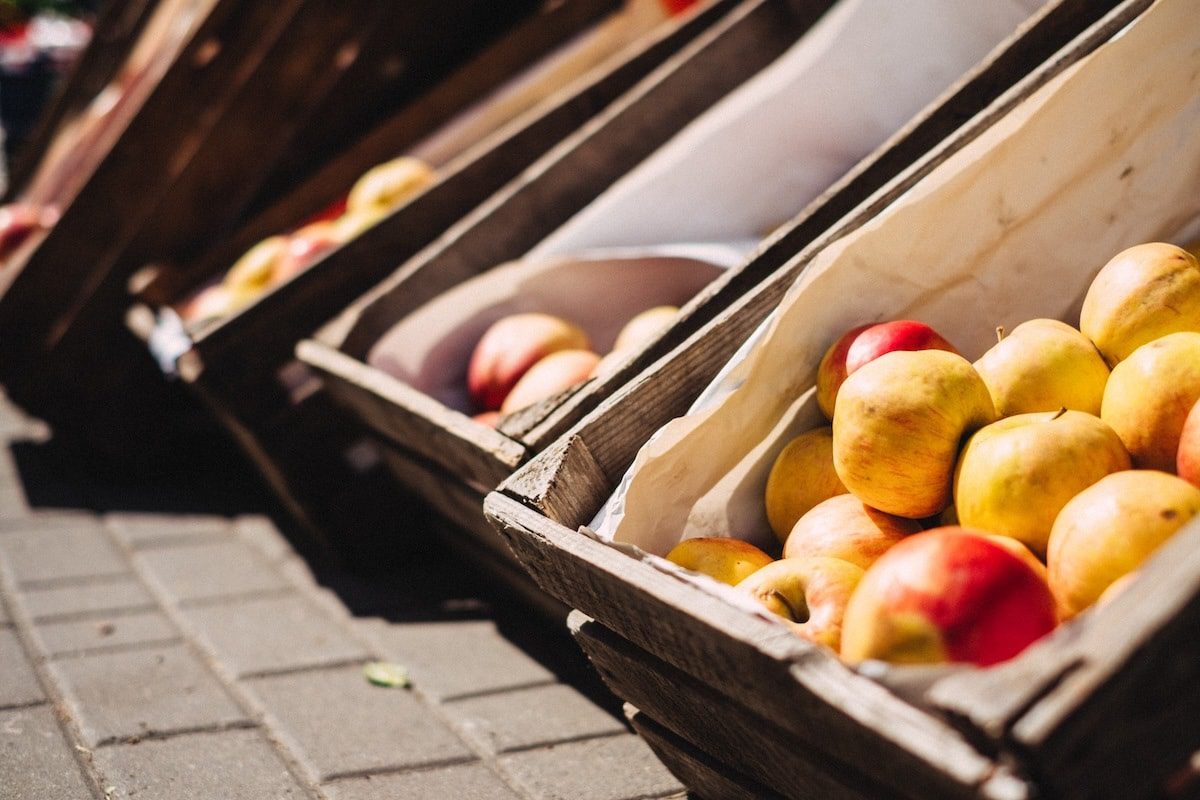
The demand for plastic-free produce is high. UK adults (16+) who buy fruit and vegetables would prefer to buy loose over packaged across nearly all (19) of the 21 fruit and veg items measured in the survey, with bananas coming in top – 70% of those asked would prefer their bananas loose.
For those people who prefer to buy fresh fruit and vegetables loose, WRAP believes the challenge is ensuring that they have the option to buy loose, and that option is visible and attractive to them. The survey suggests that this group is more likely to be composed of older people (73% of those aged 76 and over, and 68% of those aged 55-75 preferred loose compared to 38% of those aged 16-24), those living in smaller households (63% of single occupancy households and 64% of those in a two person household prefer loose, compared to 47% of those in a four or more in the household), and those households without children (61% preferred loose, compared to 47% of those with children in the household).
For those who say they prefer packaged – which the survey found was higher among younger people (for example, 59% of those aged 16-24 prefer packed compared to 27% of those aged 55-75 and 23% of those 76 or over) and those living in larger households (48% of those in a four or more person household prefer packed compared to 31% of those in a two person household and 33% of single occupancy households) – Food Waste Action Week wants to help this group recognise the money, food and plastic savings that buying loose brings. If all apples, bananas and potatoes were sold loose, 60,000 tonnes of food waste could be saved every year in the UK.
This article was originally published by WRAP. Read the full release here.
Related News
-
Business
Lidl to remove child-targeted packaging from less healthy foods
-
Business
Tesco trials new on-pack labelling to study UK grape preferences
-
Sustainability
WRAP urges government to ban plastic packaging for fresh produce
-
Sustainability
Aldi trials reduced packaging for fruits and vegetables
-
Sustainability
Aldi trials loose produce to reduce plastic waste
Advertisement

Latest Packaging News

OMAG: Packaging for nutraceuticals – greater flexibility, less waste
Designing the right format means improving productivity, sustainability and the final user...
Coca-Cola, Nestlé and Danone agree to revise recycling claims on plastic bottle labels
Coca-Cola, Nestlé and Danone have agreed to amend recycling claims displayed on their plastic...
Students develop recyclable curry and rice packaging for Pho
Two students from Sheffield Hallam University have won Deliveroo's 2026 Sustainable Packaging...
Hormel introduces portioned bacon packaging to reduce food waste
Hormel has introduced a new packaging format for its BLACK LABEL Original Bacon range, designed to...