Frylight cuts bottle weight to reduce plastic usage and carbon emissions
Sustainability
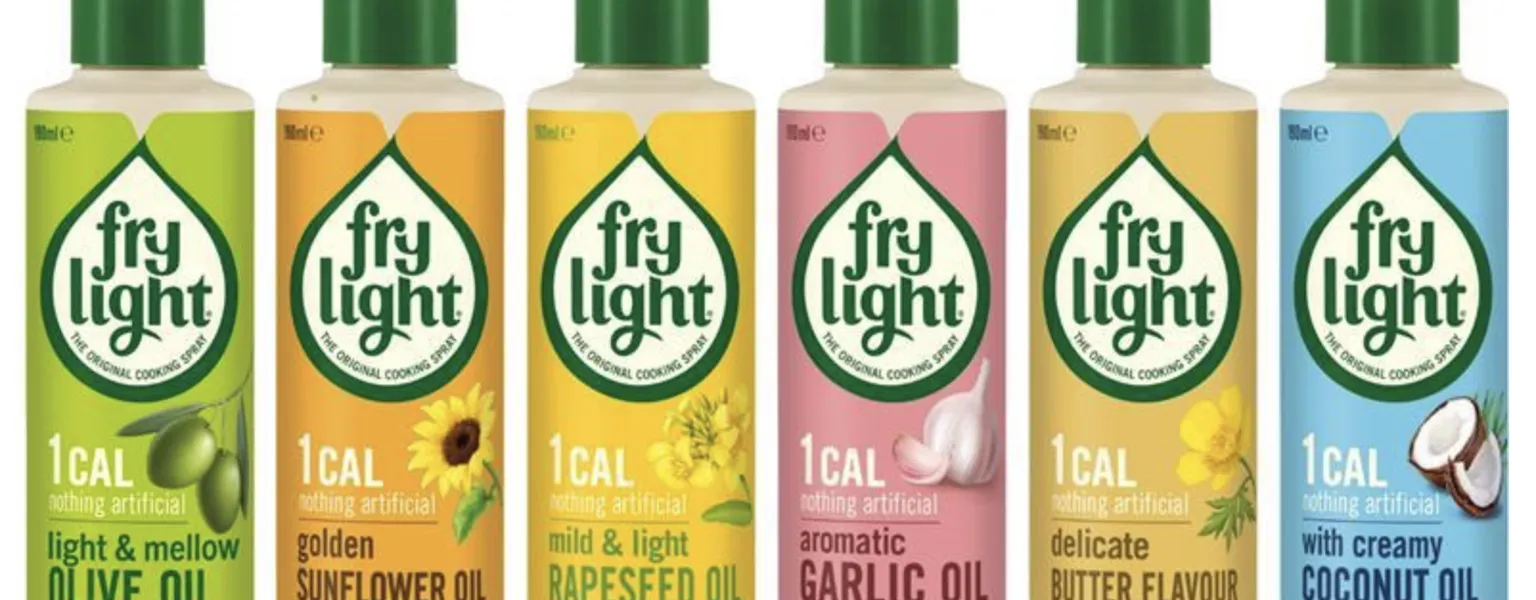
Frylight has reduced the weight of its cooking spray bottles by 9%, lowering its carbon footprint throughout production and distribution processes. The new design replaces the previous 22g bottles with optimised 20g versions, contributing to more sustainable packaging practices.
This adjustment is expected to eliminate 20 tonnes of plastic annually, equating to the production of approximately 900,000 fewer bottles. Frylight has implemented several sustainability measures in recent years, including a 2017 redesign of its bottle caps, which reduced plastic use by 120 tonnes annually. Additional efforts have included the removal of shrink-wrap packaging, cutting plastic waste by 26 tonnes per year, and enhancing pallet configurations to minimise CO2 emissions in logistics.

The initiative supports the environmental goals of Frylight’s parent company, Saputo Dairy UK, which aims to reduce material usage by 15%.
Earlier this year, Saputo announced plans to remove non-recyclable packaging from its Clover, Utterly Butterly, and Country Life Spreadable lines, preventing an estimated 44 tonnes of packaging waste from reaching landfill annually.
Related News
-
Sustainability
Aldi trials plastic-free packaging for bananas
-
Sustainability
Popular butter brands go fully recyclable with packaging change
-
Sustainability
Aldi introduces recyclable wrap packaging for own-brand butter lines
-
Supplier News
Spectra: PET plastic outshines glass and aluminium as the better choice
-
Sustainability
method introduces 100% recycled coastal plastic bottles
Advertisement

Latest Packaging News

YPS: Faster, lower cost packs for Amazon Liquids Seller of Rubio Monocoat
Rainbow Chalk Markers Ltd, the makers of Rubio Monocoat, a specialist wood oil product, have...
OMAG: Packaging for nutraceuticals – greater flexibility, less waste
Designing the right format means improving productivity, sustainability and the final user...
Coca-Cola, Nestlé and Danone agree to revise recycling claims on plastic bottle labels
Coca-Cola, Nestlé and Danone have agreed to amend recycling claims displayed on their plastic...
Students develop recyclable curry and rice packaging for Pho
Two students from Sheffield Hallam University have won Deliveroo's 2026 Sustainable Packaging...