U.S. Plastics Pact releases new strategies to enable composting at scale

Sustainability
The U.S. Plastics Pact (USPP) today released a new resource outlining how well-designed policies can accelerate composting infrastructure, support compostable packaging systems, and divert food waste and food-contaminated materials from landfills.
Enabling Composting at Scale highlights the sustained investment, supportive policy frameworks, and coordinated system design needed to advance a circular economy for food and packaging in the United States.
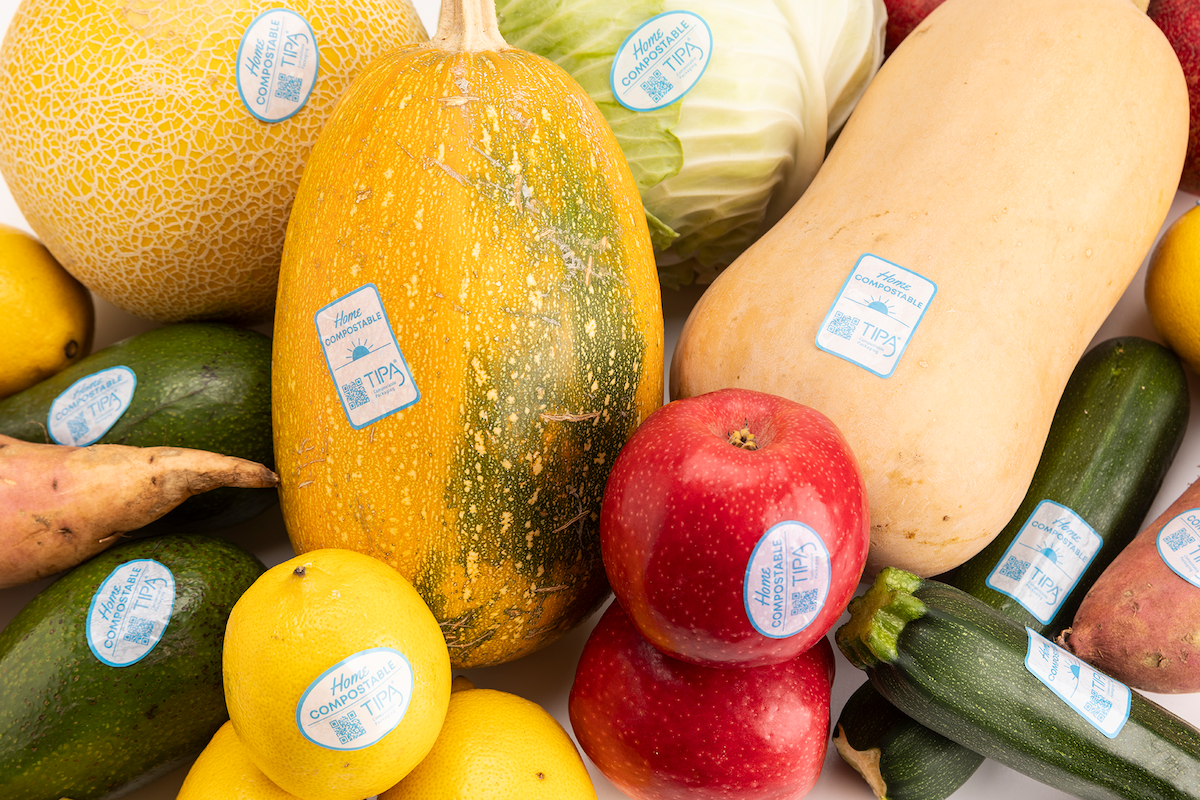
A significant share of food waste is generated in settings such as stadiums, festivals, airports, and other large venues where separating food from packaging is difficult. Compostable packaging can provide a practical solution for heavily food-contaminated items that are not recyclable. Allowing food and its associated packaging to be collected together can help reduce contamination in recycling streams while improving the efficiency and quality of composting operations.
The report outlines the policy approaches needed to align standards, scale infrastructure, and ensure compostable packaging plays a complementary role alongside recycling systems.
Compostable packaging only works at scale when composting systems work at scale. Fragmented and inconsistent policies do not create the certainty needed for investment and long-term system growth. Our latest framework identifies clear, practical policy approaches so that we can expand composting infrastructure, work toward circularity, and support our communities by returning more nutrients to the soil.
Crystal Bayliss, Interim Executive Director at USPP.
While home composting remains an important part of the solution, the report focuses primarily on expanding access to industrial composting infrastructure at a scale comparable to recycling systems nationwide. According to 2025 data, only 35.9% of the U.S. population currently has access to drop-off or curbside food waste collection. The paper outlines policy approaches including state and federal grants and loans, extended producer responsibility (EPR) programs, and procurement requirements for compost and compostable products.
The report also examines landfill bans, diversion requirements, and local ordinances that can expand processing capacity, reduce hauling distances, and strengthen community participation in composting programs.
This work would not have been possible without the engagement and collaboration of our Activators and partners across the composting and packaging system. Their input helped ensure this resource reflects both the challenges facing the system today and the practical policy solutions needed to help composting scale.
Megan O’Brien, Program Manager, Policy & Reporting at USPP.
Finally, the paper highlights the role of foodservice ordinances and labeling laws in supporting composting systems. The report notes that a consistent national labeling and identification standard is needed to reduce contamination and help consumers correctly identify compostable products, so those materials end up in the appropriate collection stream.
Read the full paper: Enabling Composting at Scale
Related News
-
Supplier News
TIPA: Alpine Fresh – A bold step toward the future of packaging
-
Supplier News
TIPA® Compostable Packaging launches home compostable label for fresh produce
-
Business
Walmart refreshes packaging design for Great Value private label range
-
Business
US Senate passes REUSE Act to study reuse and refill packaging
-
Sustainability
Paper and plastic to-go cups added to curbside recycling across North America
Advertisement

Latest Packaging News

Grated cheese goes pocket-sized with limited-edition clip-on packaging
Kraft Natural Cheese has introduced Pocket Parm™, a limited-edition miniature version of its grated...
Truly Grass Fed updates packaging in response to consumer preferences
Truly Grass Fed has introduced a refreshed packaging design across its dairy product range, with a...
Miron® introduces refreshed brand identity and website
A new digital experience brings protective glass packaging, expertise, and inspiration together...
Raft of new exhibitors completes the UKPackaging EXPO 2026 line-up
A surge of newly confirmed exhibitors has finalised the floor plan for the highly anticipated...