Paper and plastic to-go cups added to curbside recycling across North America

Sustainability
WM, North America’s largest recycler and environmental solutions provider, has announced that paper to-go cups and polypropylene plastic beverage cups can now be included in its universal list of accepted recyclable materials. The move enables households in more areas across the United States to recycle everyday takeaway cups through curbside programmes.
The company is encouraging local authorities and customers to update their recycling lists to include these materials, helping to progress towards new recycling designations that inform consumers about recyclability.
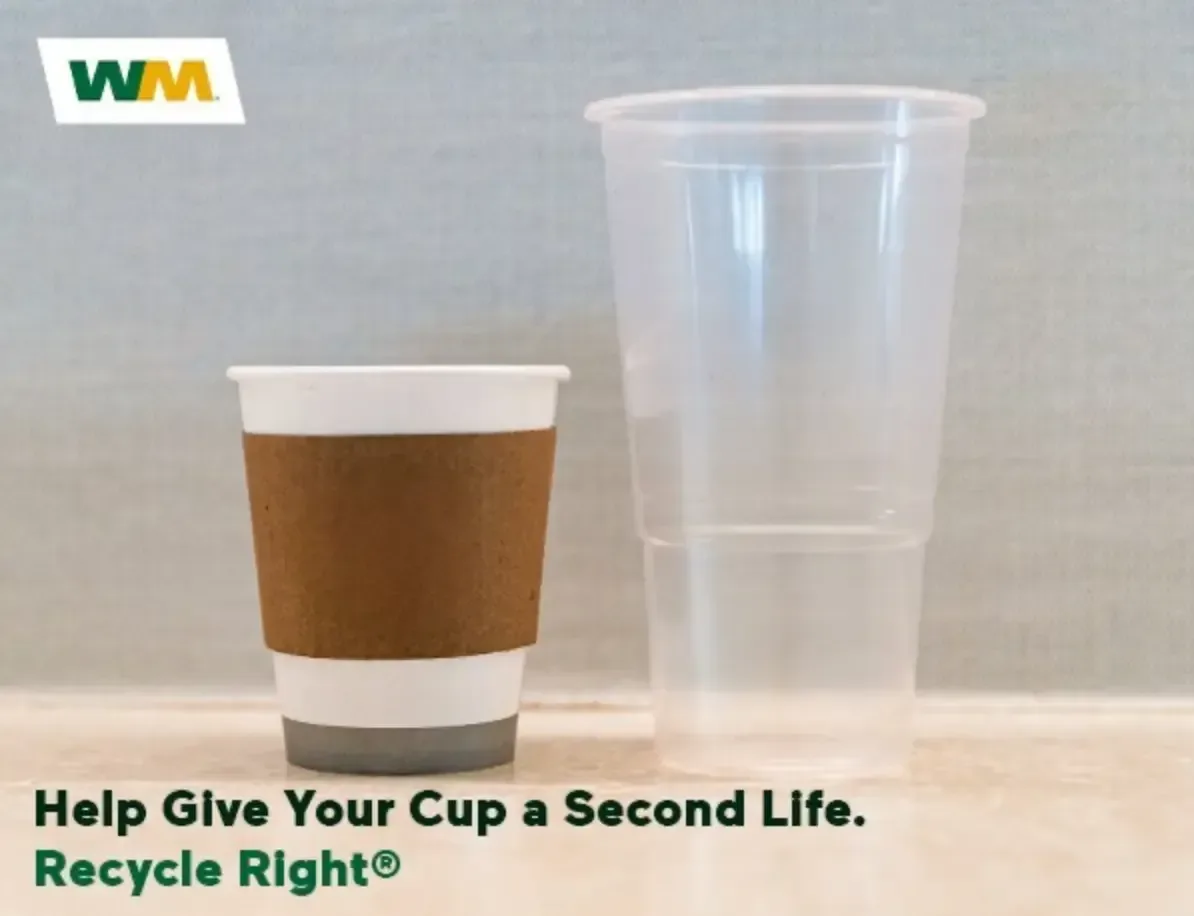
Polypropylene cups are nearing qualification for a Widely Recyclable label from How2Recycle®, the leading on-pack recycling label in North America. This designation is granted when at least 60% of U.S. residents have access to curbside recycling for the material. According to The Recycling Partnership’s State of Recycling Report, U.S. households generate a similar amount of polypropylene as they do high-density polyethylene (HDPE) — used for items like milk, shampoo, and detergent bottles — yet polypropylene’s recycling rate is only about one-third of that of HDPE.
Meanwhile, paper beverage cups are on track to qualify for How2Recycle’s Check Locally designation, which indicates that the material is accepted in curbside recycling programmes in at least 20% of communities.
Tara Hemmer, chief sustainability officer, WM, said: Plastic and paper to-go cups are showing up in greater volumes at our facilities. We are executing on our plans to invest $1.4 billion in new recycling infrastructure across North America to unlock recycling capabilities and solutions so that more material can be turned into new products. Recycling works best when it's accessible—and when industry leaders like WM, local communities, consumers and companies who purchase recycled material for new products and packaging all work together.
WM says its investment will make it easier for consumers to recycle both paper and plastic cups used for hot and cold drinks, supporting greater circularity and domestic supply of recycled materials. Once collected, the cups are processed and baled alongside other recyclable commodities before being sold to end markets that convert them into new products or packaging.
The company is working with several organisations — including Starbucks, The Recycling Partnership, How2Recycle®, the NextGen Consortium (managed by Closed Loop Partners’ Center for the Circular Economy), and the National League of Cities — to increase awareness and harmonise recycling guidance across municipalities.
Related News
-
Sustainability
New guide addresses packaging challenges in North American fresh-produce sector
-
Sustainability
Survey finds growing consumer resistance to unsustainable packaging in North America
-
Business
Flexible packaging set for strong growth across North America
-
Sustainability
Huggies outer plastic packaging now recyclable for US consumers
-
Sustainability
KIND launches first curbside fully recyclable paper wrapper pilot in the U.S.
Advertisement

Latest Packaging News

Grated cheese goes pocket-sized with limited-edition clip-on packaging
Kraft Natural Cheese has introduced Pocket Parm™, a limited-edition miniature version of its grated...
Truly Grass Fed updates packaging in response to consumer preferences
Truly Grass Fed has introduced a refreshed packaging design across its dairy product range, with a...
Miron® introduces refreshed brand identity and website
A new digital experience brings protective glass packaging, expertise, and inspiration together...
Raft of new exhibitors completes the UKPackaging EXPO 2026 line-up
A surge of newly confirmed exhibitors has finalised the floor plan for the highly anticipated...