Southwest Airlines introduces bamboo cups and wooden stir sticks to inflight service
Sustainability
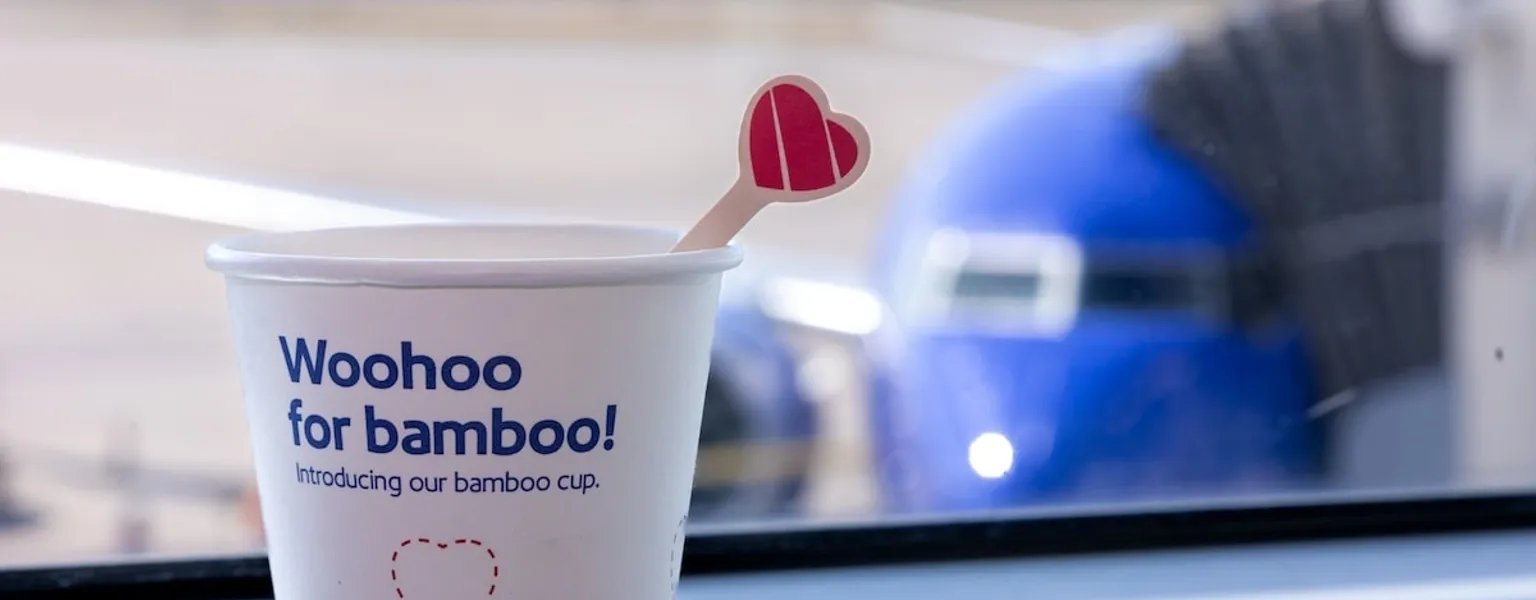
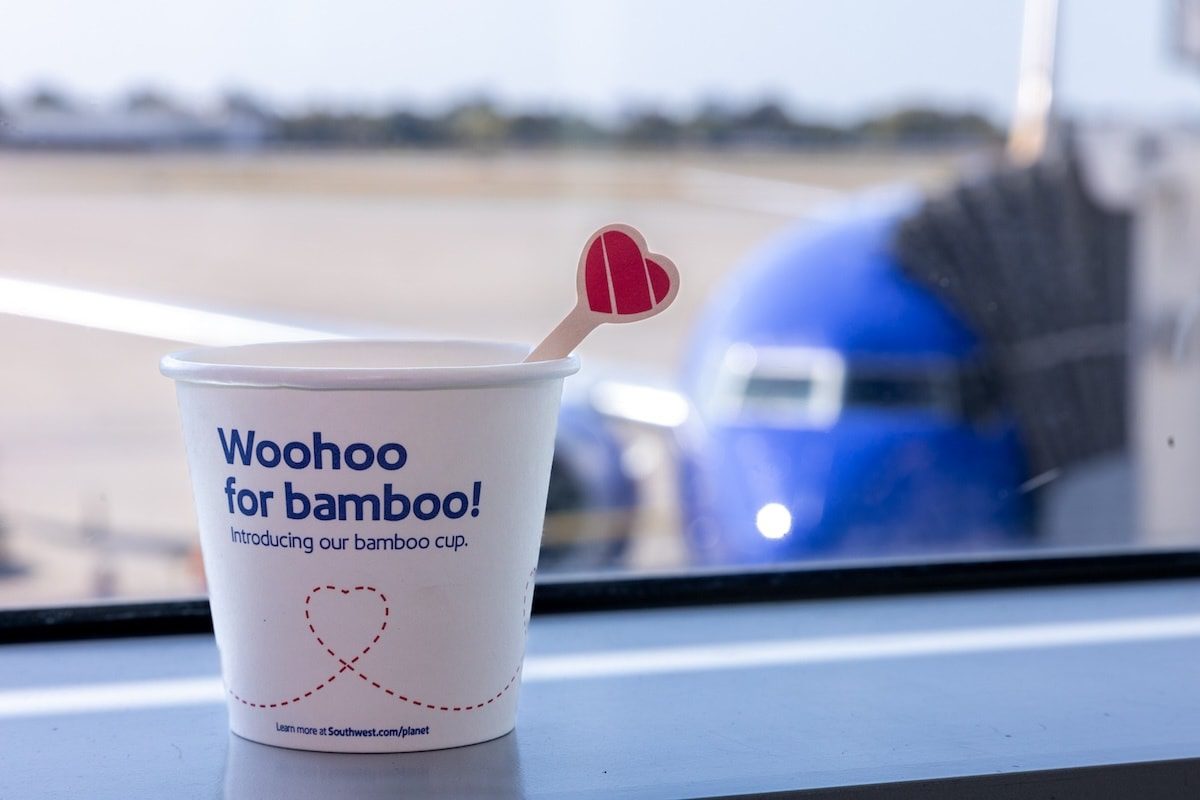
Southwest Airlines has introduced new inflight products aimed at reducing single-use plastics as part of its sustainability efforts. The airline launched a new bamboo-based cup for cold beverages and a wooden stir stick, which align with its broader strategy to cut down on single-use plastics in inflight service by 2030. The new initiatives are part of Southwest’s "Nonstop to Net Zero" plan, which emphasises circularity and sustainable sourcing practices.
The newly introduced cold cup is composed of 93% non-plastic materials, using a pulp blend of 75% bamboo and 25% paper with a polyethylene lining. Bamboo is categorised as a “rapidly renewable material” by the U.S. Green Building Council due to its short growth cycle of three to five years. Additionally, the new stir stick is made from 100% FSC-certified birch wood, featuring Southwest's signature Heart branding.
According to Southwest, these changes are expected to cut its single-use plastic consumption by more than 1.5 million pounds annually. The airline has also transitioned to paper overwrap for its napkins, which are made from 100% post-consumer recycled materials, eliminating plastic from this service item. The overwrap is sourced from materials certified by the Forest Stewardship Council (FSC) or the Programme for the Endorsement of Forest Certification (PEFC).
Furthermore, Southwest plans to introduce a select-a-snack option on flights to and from Hawaii, which is projected to reduce food waste and single-use plastic packaging by at least 18,000 pounds annually.
Helen Giles, Managing Director of Environmental Sustainability at Southwest Airlines, said: We expect our new bamboo cold cup, wood stir stick, and other initiatives to exceed our goal to reduce plastics from inflight service by 50% by weight by 2025, and we’re excited to continue collaborating with our suppliers to work toward our goal of fully eliminating, where feasible, single-use plastics from inflight service by 2030. It’s been a year of work since we announced our Nonstop to Net Zero strategy, including our initiatives to tackle single-use plastics in our inflight service. Today’s announcement celebrates the hard work and dedication of many Teams across Southwest to meet these goals.
This initiative follows an internal analysis by Southwest to identify the primary sources of single-use plastics in its inflight services. The study led to the focus on replacing cups and stir sticks as key areas for improvement. The airline conducted extensive testing throughout 2024 with customers and employees to ensure the feasibility of these changes.
Related News
-
Sustainability
United Airlines ditches plastic wine bottles for recyclable cans
-
Sustainability
Oman Air introduces recyclable paper packaging for economy-class earphones
-
Sustainability
IATA Report: Mitigating single-use packaging in the airline sector
-
Sustainability
easyJet introduces reusable cups and cutlery for flight crew
-
Sustainability
Alaska Airlines eliminates plastic cups on board
Latest Packaging News

Clean and dry, every time: How SUPER DRY helps protect premium egg quality
For high-quality egg suppliers, appearance matters. Even minor shell or quality defects can affect...
Rowlinson Packaging: The hidden cost of product damage and why industrial packaging matters
For many businesses, packaging is often viewed as a procurement decision focused primarily on cost....
Autopack: What is a sealing machine and how does it work?
A sealing machine closes packaging after a product has been filled or packed. Depending on the...
PHS: Automatic pallet wrapper – A practical assessment checklist
Could a faster wrapping machine slow the line down? An automatic pallet wrapper may have an...