Packaging labelling under scrutiny as recycling confusion persists in the UK

Sustainability
Questions are being raised around the effectiveness of recycling labelling in the UK, with industry commentary suggesting that commonly used symbols may be contributing to consumer confusion rather than improving recycling outcomes.
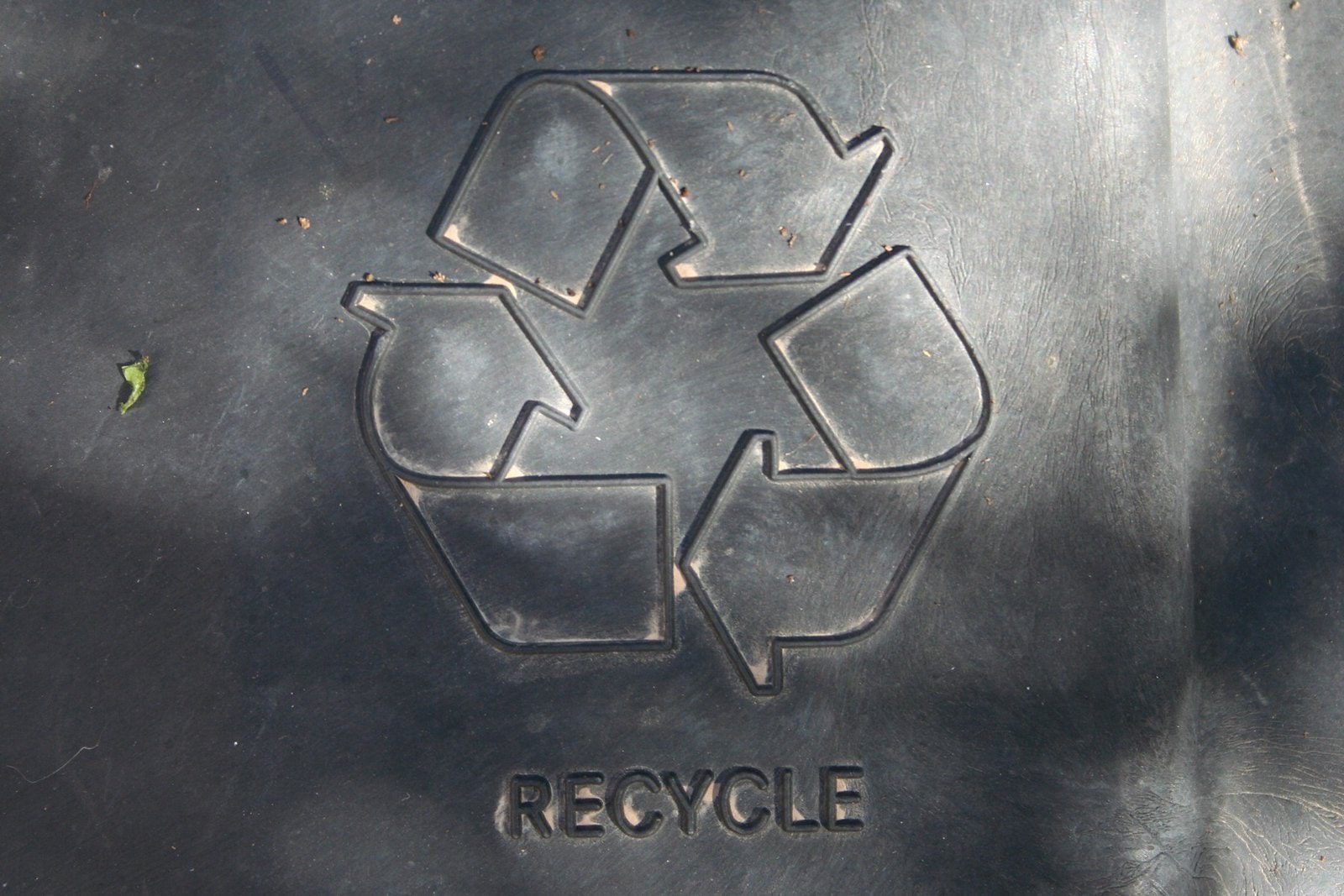
The universal recycling symbol, known as the Mobius loop, has been in use since 1970 and is widely recognised as an indicator of recyclability. However, its meaning remains broad, typically signalling that a material can be recycled, without clarifying whether it is accepted within local collection systems or routinely processed at scale.
According to analysis referenced by Bins.co.uk, 81% of UK consumers have disposed of items in recycling streams that are not accepted. This has led to ongoing debate about whether the use of generic recycling symbols provides sufficient clarity for households.
The universal recycling logo is instantly recognisable, but that doesn’t mean its place on packaging is always helpful. Many people mistakenly assume that any use of the logo guarantees a product is recyclable, and this can lead to contamination.
There is an onus on manufacturers, brands and packaging companies to ensure packaging labelling isn’t misleading and that recycling instructions are clear for consumers. In this instance, you can never be too detailed, and it’s best to remind people that rules can differ across councils and regions in the UK.
Mark Hall, recycling expert at Bins.co.uk
Internationally, scrutiny of the symbol is also increasing. In California, proposals have been put forward to restrict the use of the recycling logo on plastic packaging that is not widely collected through kerbside systems, following concerns that it may mislead consumers about real-world recyclability.
Research suggests that confusion around packaging labelling remains widespread. Surveys indicate that a significant proportion of UK consumers find recycling instructions unclear, which can contribute to contamination within recycling streams. Data from WRAP has previously estimated rejection rates for mixed recycling collections in England and Wales at over 10%, with incorrectly sorted materials often redirected to energy-from-waste facilities or landfill.
The issue has implications for both local authorities and businesses, as contaminated recycling can increase handling costs and reduce overall system efficiency.
While there is currently no legal requirement in the UK for brands to include recycling labels on packaging, the findings highlight the importance of clear, accurate and consistent communication. Industry guidance suggests that packaging labelling should provide more specific direction to consumers, particularly where recycling capabilities vary by region.
There is also growing emphasis on aligning labelling with packaging design and material choices, with the aim of improving recyclability while reducing ambiguity for end users. As recycling systems continue to evolve, clearer on-pack communication is likely to remain a key factor in improving collection outcomes.
Related News
-
Sustainability
Hay fever season highlights recycling challenges for blister packaging
-
Sustainability
New recycling rules to affect every household in England from 31st March 2026
-
Business
Labels – EPR’s secret weapon
-
Business
Mandatory labelling – removing confusion, reinforcing circularity
-
Supplier News
YPS welcomes OPRL labelling change
Advertisement

Latest Packaging News

Grated cheese goes pocket-sized with limited-edition clip-on packaging
Kraft Natural Cheese has introduced Pocket Parm™, a limited-edition miniature version of its grated...
Truly Grass Fed updates packaging in response to consumer preferences
Truly Grass Fed has introduced a refreshed packaging design across its dairy product range, with a...
Miron® introduces refreshed brand identity and website
A new digital experience brings protective glass packaging, expertise, and inspiration together...
Raft of new exhibitors completes the UKPackaging EXPO 2026 line-up
A surge of newly confirmed exhibitors has finalised the floor plan for the highly anticipated...