Grocery brands unite to combat global plastic pollution
Sustainability
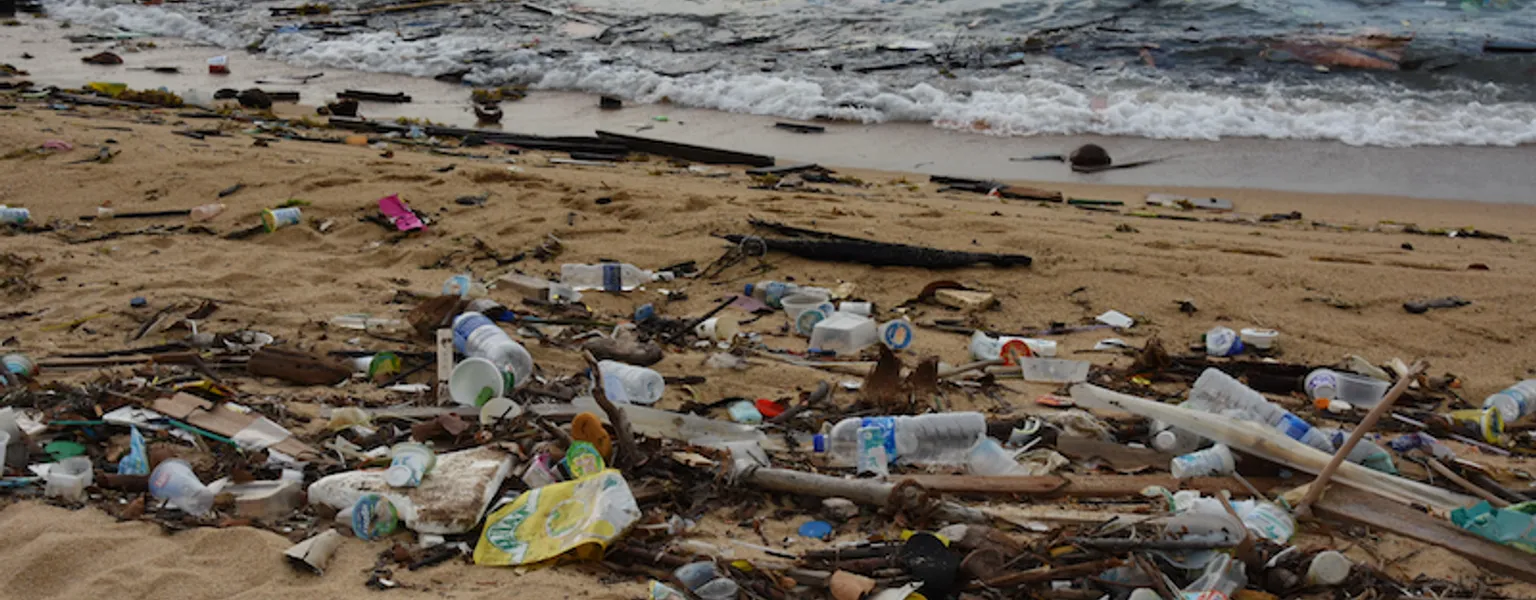
102 grocery brands globally have teamed up with rePurpose Global to tackle plastic pollution. Together, they aim to measure and reduce their plastic footprint, supporting initiatives to prevent plastic waste from harming natural ecosystems.
Plastic pollution poses threats to climate, food safety, coastlines, and human health. Despite this, achieving an 80% reduction in global plastic pollution by 2040 is feasible. The key lies in eliminating unnecessary plastic use, redesigning product delivery, promoting a stable market for recycling, and retrieving plastic from the environment. While global goals target a 7% reduction in plastic leakage into oceans by 2040, the brands partnering with rePurpose Global actively work on reducing plastic intensity and funding the recovery of plastic waste in vulnerable coastal regions.
These 102 grocery companies have collectively helped rePurpose Global recover over 2.5 million pounds of plastic waste annually in Indonesia, Ghana, India, Kenya, Colombia, and the Dominican Republic. Through contributions to rePurpose Impact Projects, these brands support waste collection services for underserved communities, enhance the availability of Post-Consumer Recycled (PCR) materials, and sustain the livelihoods of over 1,200 waste workers worldwide.

Svanika Balasubramanian, CEO of rePurpose, said: We are excited to see our partners in the grocery and retail industry taking proactive steps to address the plastic pollution crisis. Their commitment to reducing plastic sets a remarkable example for others in the industry. We hope that by putting a spotlight on plastic reduction and plastic alternatives that have the potential to turn the tide on plastic pollution, we reach zero plastic pollution even sooner.
Related News
-
Sustainability
Beverage giants under fire for soaring plastic packaging usage
-
Sustainability
Wales enacts single-use plastic ban
-
Business
California seeks partner to lead plastic and packaging waste reduction programme
-
Sustainability
New regulation in British Columbia targets single-use plastic items
-
Sustainability
Biden-Harris Administration and EPA reveal national strategy to tackle plastic pollution
Latest Packaging News

Registration now open for Packaging Innovations & Empack 2027
The UK packaging and processing community will return to the NEC Birmingham on 24 & 25...
Clean and dry, every time: How SUPER DRY helps protect premium egg quality
For high-quality egg suppliers, appearance matters. Even minor shell or quality defects can affect...
Rowlinson Packaging: The hidden cost of product damage and why industrial packaging matters
For many businesses, packaging is often viewed as a procurement decision focused primarily on cost....
Autopack: What is a sealing machine and how does it work?
A sealing machine closes packaging after a product has been filled or packed. Depending on the...