Flexible packaging made from recycled plastic developed for Marabou chocolate bars

Sustainability
LyondellBasell (LYB) has announced a collaboration with Mondelez International and several packaging partners to develop a new flexible packaging solution for Marabou chocolate bars using polymers derived from recycled plastic waste.
The packaging incorporates LYB CirculenRevive polymers made with 100% attributed recycled content through an ISCC PLUS-certified mass balance approach. According to LYB, the packaging is sourced from 75% recycled content, using material recovered from mixed post-consumer plastic waste that would otherwise be difficult to recycle.
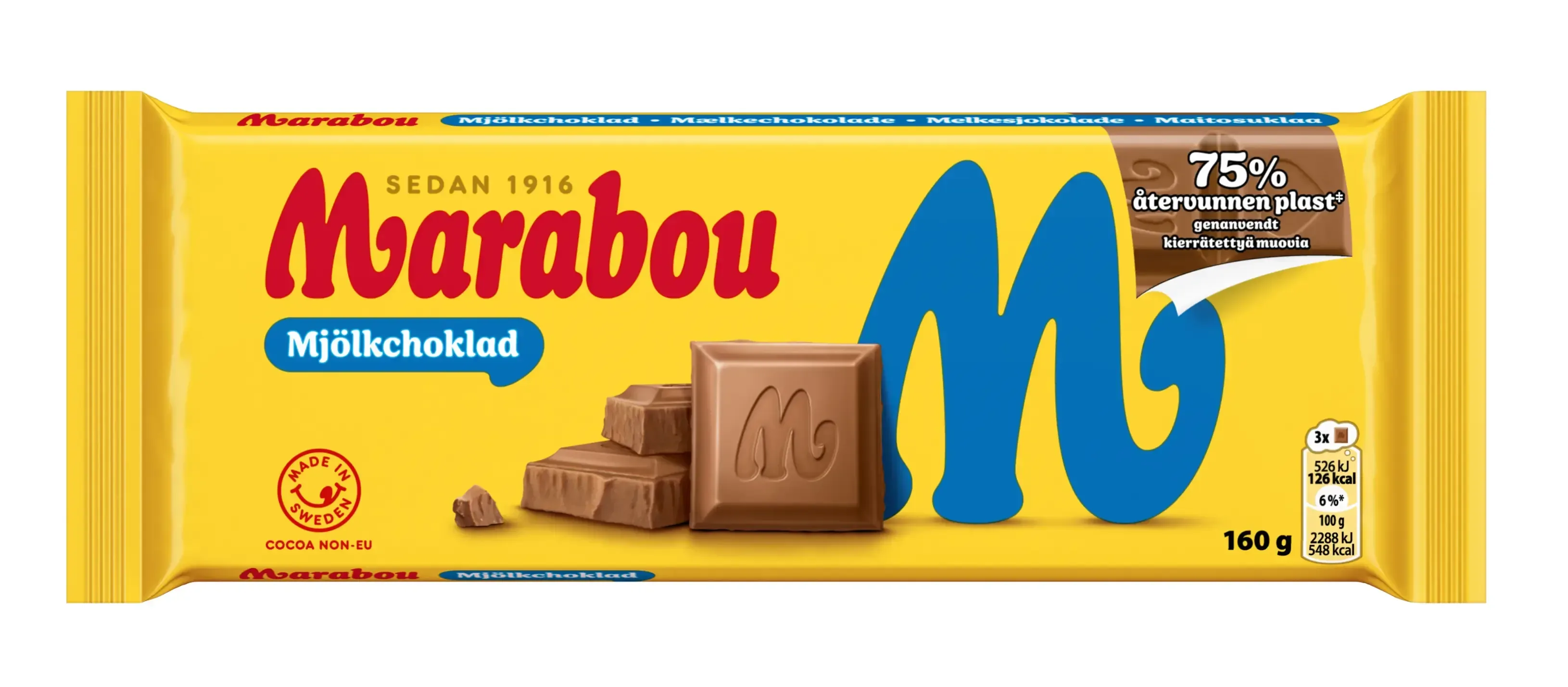
The project brings together companies across the packaging value chain, with Taghleef Industries producing the base film, Amcor converting the material into the finished flexible packaging, and Mondelez introducing the packaging for its Marabou chocolate range.
Looking ahead, LYB said future polymer production for the packaging is expected to come from MoReTec-1, its commercial-scale catalytic chemical recycling facility currently under construction in Wesseling, Germany.
Once operational, the plant is designed to process enough recycled feedstock to produce 50,000 metric tonnes annually for use in LYB's existing polymer manufacturing operations. Feedstock will be supplied in part by Source One Plastics, an LYB joint venture in Germany that processes mixed plastic waste into material suitable for chemical recycling. Until the new facility is operational, LYB said recycled feedstock for its CirculenRevive polymers is sourced from third-party pyrolysis oil producers.
The companies said the project demonstrates how collaboration between material suppliers, film manufacturers, packaging converters and brand owners can help increase the use of recycled content in flexible food packaging while maintaining the performance standards required for food contact applications.
The packaging has also been developed with future European regulatory requirements in mind, including anticipated recycled-content provisions under the EU Packaging and Packaging Waste Regulation (PPWR). Chemical recycling is expected to play a role in increasing the availability of recycled material for flexible packaging applications, which have traditionally presented recycling challenges.
Related News
-
Events
Registration opens for the 2026 Sustainable Packaging Summit
-
Sustainability
Cadbury introduces 65% recycled plastic packaging for Mini Eggs bags
-
Sustainability
Cadbury to trial 300,000 paper-based Heroes tubs in Tesco stores across the UK
-
Sustainability
Mondelēz and Tesco trial reduced-plastic Cadbury Crunchie multipacks
-
Sustainability
Cadbury UK sharing bars now wrapped in 80% recycled plastic

Latest Packaging News

Spectra: Give your products a competitive edge
With clean lines, balanced proportions and four faces for optimal branding, Spectra’s Square Range...
NPP: 2D Coding – bringing benefits and opportunities to the supply chain
The traditional barcode is an instantly recognisable feature on retail packaging, providing...
Croxsons: Can English and Welsh wine develop its own packaging identity?
English & Welsh Wine is comparatively young to Champagne, but does the continued growth offer...
UK aluminium industry calls for action on industrial competitiveness and investment in new ALFED report
New white paper highlights £3.78 billion direct economic contribution and sets out five priorities...