Flatlantic adopts recycled EPS fish boxes for seafood transport

Sustainability
Portuguese aquaculture producer Flatlantic has introduced fish boxes made from BEWI's Certified Recycled EPS (CREPS), a packaging material containing recycled expanded polystyrene (EPS), as part of efforts to reduce the environmental impact of its seafood transport operations.
According to BEWI, the switch to Certified Recycled EPS packaging can reduce the carbon footprint associated with the boxes by up to 30%, while maintaining the performance characteristics required for the safe transport of fresh seafood.
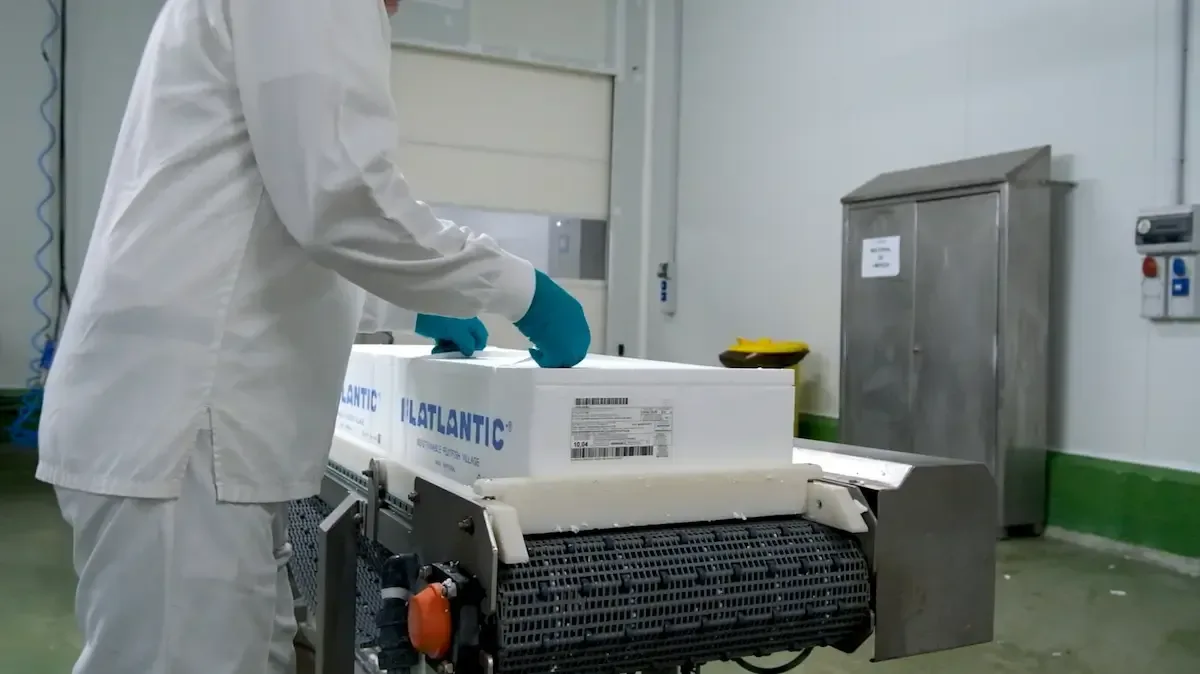
Certified Recycled EPS is produced using a combination of recycled and virgin raw materials. The material is verified through a third-party certification process designed to allocate recycled content to applications where it is considered most suitable.
BEWI said its Circular division collects around 40,000 tonnes of used EPS annually for recycling. The recovered material is processed into recycled general-purpose polystyrene (rGPPS), which can be used in the manufacture of new products, including construction insulation boards, or as feedstock for Certified Recycled EPS production.
With excellent thermal insulation and durability, packaging of EPS is the best solution for transporting fresh fish. Boxes of Certified Recycled EPS reduce the use of virgin raw materials and lower the environmental footprint of our operations.
Laura Roque, Environmental Manager at Flatlantic.
The company added that, like conventional EPS, Certified Recycled EPS remains fully recyclable at the end of its service life.
Related News
-
Sustainability
Closed-Type Tray protects fresh produce during transatlantic transport
-
Supplier News
Paramount Packaging Systems: what is the most efficient way to package poultry?
-
Sustainability
Corrugated packaging partnership supports fresh produce supply across Europe
-
Events
Food for thought: why the North is driving the next phase of food packaging innovation
-
Business
Ocean bound plastics deemed unsuitable for food contact by UK regulators
Advertisement

Latest Packaging News

Grated cheese goes pocket-sized with limited-edition clip-on packaging
Kraft Natural Cheese has introduced Pocket Parm™, a limited-edition miniature version of its grated...
Truly Grass Fed updates packaging in response to consumer preferences
Truly Grass Fed has introduced a refreshed packaging design across its dairy product range, with a...
Miron® introduces refreshed brand identity and website
A new digital experience brings protective glass packaging, expertise, and inspiration together...
Raft of new exhibitors completes the UKPackaging EXPO 2026 line-up
A surge of newly confirmed exhibitors has finalised the floor plan for the highly anticipated...