U.S. Plastics Pact removes EPS transport packaging from problematic materials list

Business
The U.S. Plastics Pact (USPP) has removed expanded polystyrene (EPS) transport packaging from its Problematic & Unnecessary Materials List following a review of recycling data for the packaging format.
The decision forms part of an ongoing review of materials included on the list, which is used by the organisation to identify packaging that presents challenges within the US plastics system.
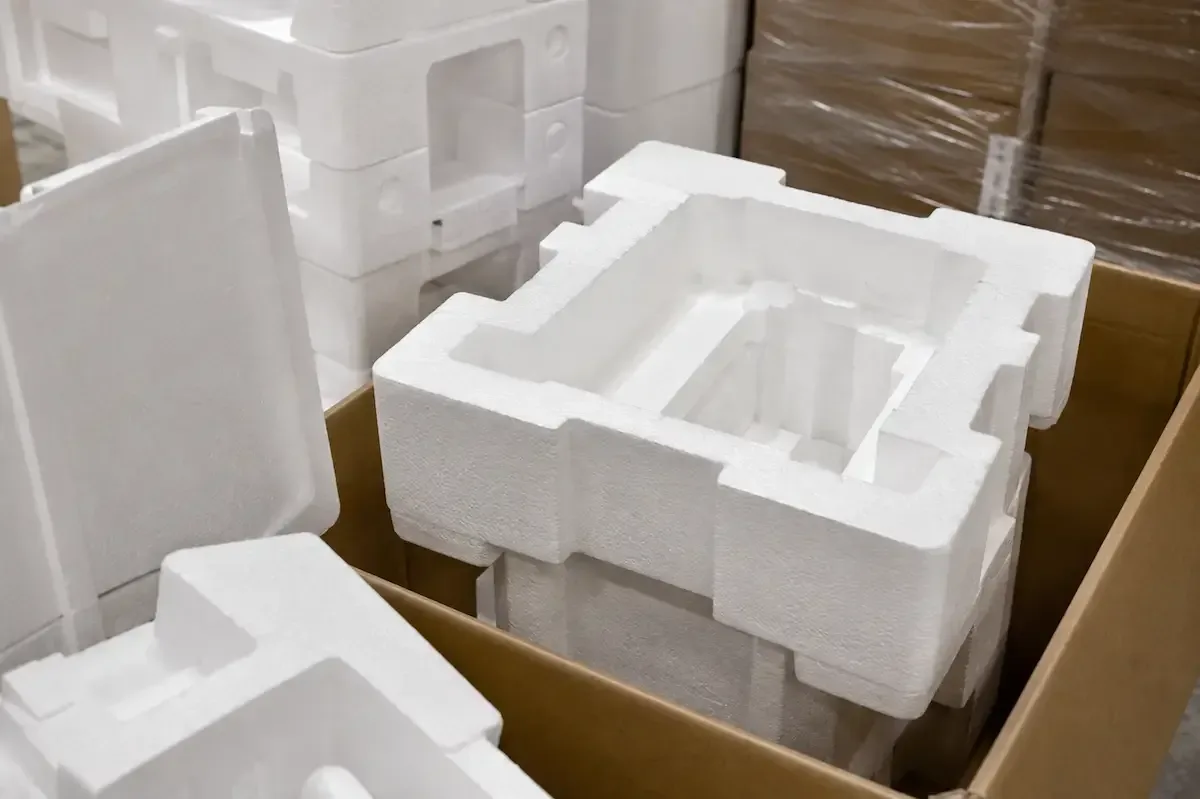
According to USPP, its working group reviewed available data and supporting information and found evidence indicating that EPS transport packaging has achieved a recycling rate of approximately 30% or higher. This meets the threshold established under Criterion One of the organisation's Decision Tree for assessing materials on the list.
USPP stressed that the change applies specifically to EPS transport packaging and does not extend to other EPS or polystyrene products.
The organisation said transport packaging can move through collection and recycling systems differently from other EPS formats. A proportion remains within commercial distribution channels or accompanies products delivered directly to consumers, providing opportunities for collection and aggregation outside conventional municipal kerbside recycling schemes.
USPP attributed progress in the recycling of EPS transport packaging to a combination of factors, including the development of end markets for post-consumer recycled material, investment in material-specific recycling infrastructure and improved data collection.
The organisation also highlighted densification technology as one approach that can address some of the logistical challenges associated with EPS by making the material more efficient to transport for recycling.
Despite removing the packaging format from the list, USPP said further work is needed to increase its recycling rate and called for continued collaboration between suppliers, users and recyclers.
The wider review of the Problematic & Unnecessary Materials List remains ongoing, with the working group continuing to assess other materials. Further recommendations are expected as individual reviews are completed.
Related News
-
Business
Industry calls for reusable transport packaging in Circular Economy Act
-
Business
July US packaging update: Date labels, foam bans and EPR changes
-
Sustainability
Flatlantic adopts recycled EPS fish boxes for seafood transport
-
Supplier News
Corrugated packaging alternative to polystyrene introduced for shutter motor protection
-
Supplier News
Rowlinson Packaging: Bespoke timber packaging – the complete guide to protecting valuable goods during transit
Advertisement

Latest Packaging News

Grated cheese goes pocket-sized with limited-edition clip-on packaging
Kraft Natural Cheese has introduced Pocket Parm™, a limited-edition miniature version of its grated...
Truly Grass Fed updates packaging in response to consumer preferences
Truly Grass Fed has introduced a refreshed packaging design across its dairy product range, with a...
Miron® introduces refreshed brand identity and website
A new digital experience brings protective glass packaging, expertise, and inspiration together...
Raft of new exhibitors completes the UKPackaging EXPO 2026 line-up
A surge of newly confirmed exhibitors has finalised the floor plan for the highly anticipated...