Palcut: How to avoid unstable pallets – before they become a problem

Supplier News
A pallet can look perfectly stable when it leaves the palletiser. But once it starts moving through production, storage and transport, even small weaknesses in the load can become a problem.
Products can shift. Layers can move. And a pallet that seemed stable at first can quickly become difficult to handle.
The good news is that many stability issues can be prevented before the pallet ever starts moving.
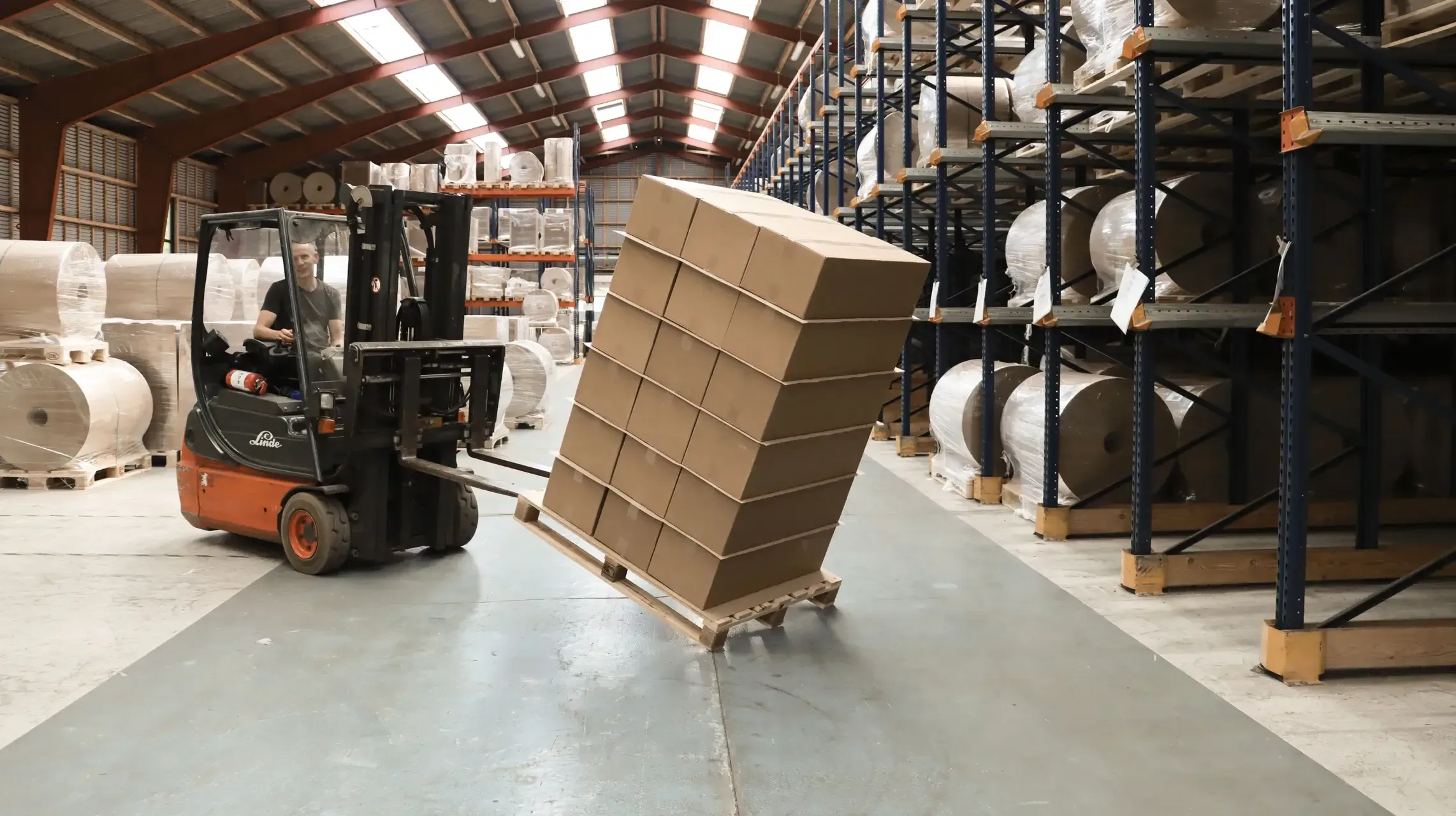
Stable palletising starts with the way you build the load
There is no single palletising method that works for every product.
The right setup depends on factors such as the size, weight and shape of the products, the packaging and how the pallet will be handled further down the supply chain.
However, some basic principles apply across most palletising operations.
Weight should be distributed evenly across the pallet, with heavier products placed in the lower layers. Products should be as consistent as possible in size and shape, and the pallet itself must be strong enough and in good condition to support the load.
The stacking pattern also matters.
Column stacking, for example, places products directly above each other and can provide good vertical strength. Interlocking stacking alternates the pattern between layers and can help create a more connected load.
Choosing the right method is an important part of building a stable pallet.
But it is not the whole story.
What happens between the layers?
Even when the pallet is stacked correctly, movement can still occur between individual product layers.
Acceleration, braking, internal transport and general handling all create forces that can cause products to slide against each other.
And once one layer starts to move, the stability of the entire pallet can be affected.
This is where friction becomes an important part of pallet stability.
By placing Antim® anti-slip paper between the product layers, friction is increased and movement between the layers is reduced.
Instead of relying solely on external load securing, Antim® helps stabilise the pallet from within.
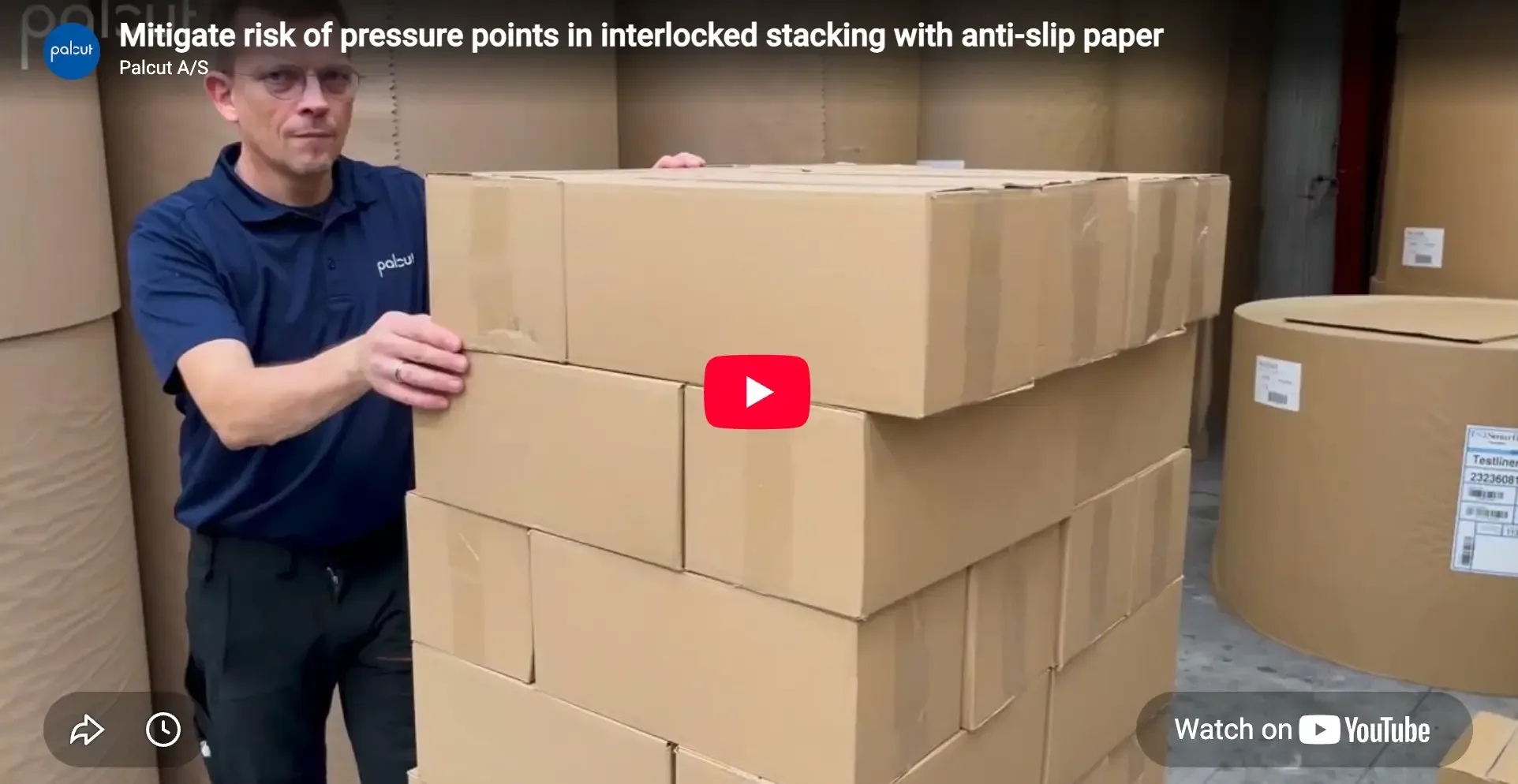
Strengthen the pallet you have already built
Anti-slip paper should not be seen as a replacement for correct palletising.
It works together with it.
A suitable stacking pattern, correct weight distribution, a good-quality pallet and appropriate external securing all create the foundation.
Antim® adds another layer of stability by helping the products stay where they were originally placed.
This can be particularly valuable when pallets are exposed to repeated movement throughout production, warehousing and transport.
The result is a load that is better prepared for the realities of the supply chain.
Pallet stability is built layer by layer
Preventing unstable pallets is not about finding one single fix.
It is about looking at the complete palletising process.
Start with the products. Choose the right stacking method. Distribute the weight correctly. Use a suitable pallet. Secure the load appropriately.
And then look between the layers.
With Antim® anti-slip paper as part of the palletising process, you can add friction exactly where movement often begins – helping create a stronger and more stable pallet from the first layer to the last.

Latest Packaging News

Truly Grass Fed updates packaging in response to consumer preferences
Truly Grass Fed has introduced a refreshed packaging design across its dairy product range, with a...
Miron® introduces refreshed brand identity and website
A new digital experience brings protective glass packaging, expertise, and inspiration together...
Raft of new exhibitors completes the UKPackaging EXPO 2026 line-up
A surge of newly confirmed exhibitors has finalised the floor plan for the highly anticipated...
Registration now open for Packaging Innovations & Empack 2027
The UK packaging and processing community will return to the NEC Birmingham on 24 & 25...