Spectra extends PCR30 initiative with the launch of recycled closures
Supplier News
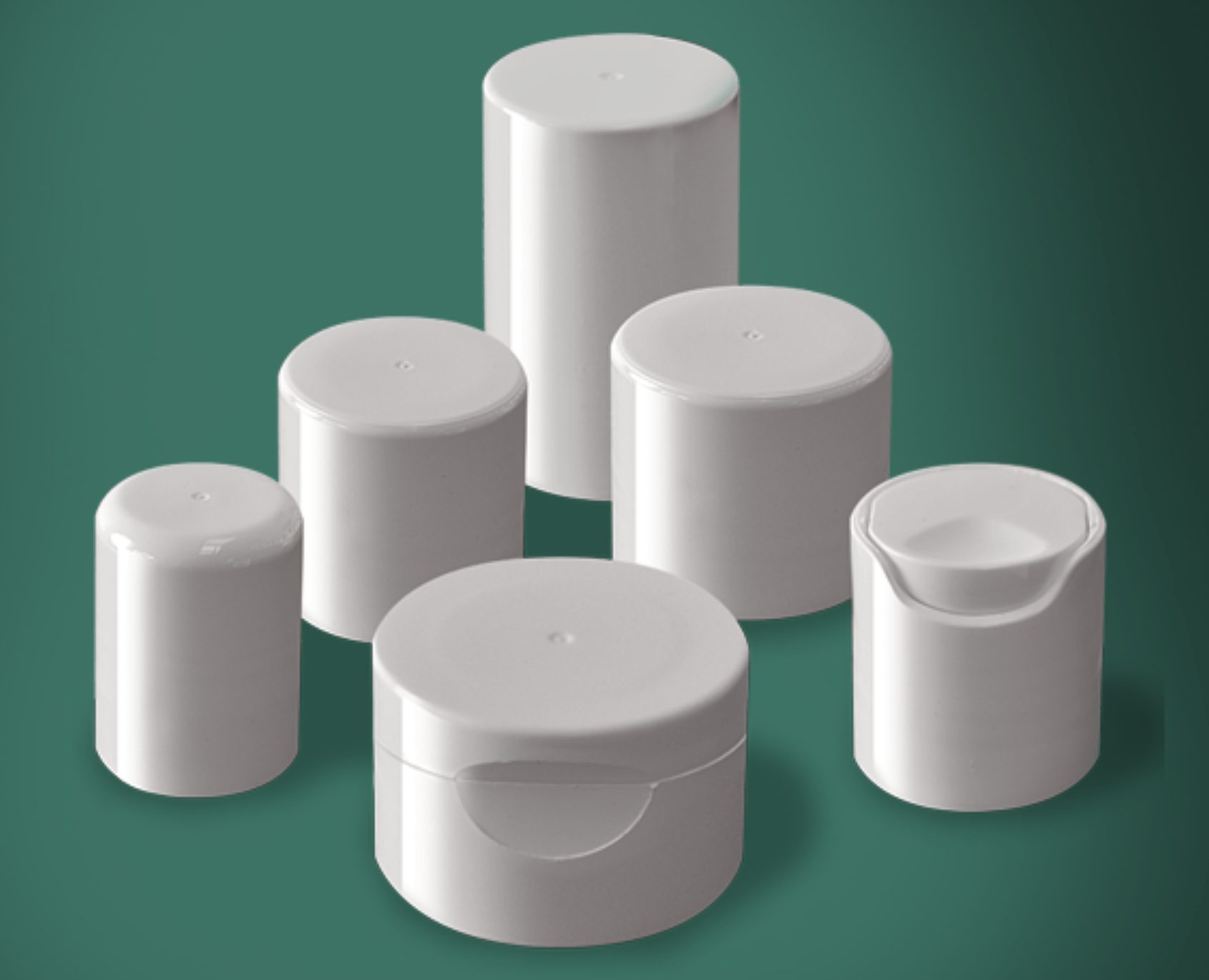
Spectra continues its commitment to environmental sustainability with the roll-out of recycled polypropylene (rPP) closures sourced with Prevented Ocean Plastics (POP).
We are delighted to announce that, as of now, all our closures align with our PCR30 bottle default standard and contain a minimum of 35% recycled content.
This latest launch means customers can now enjoy a total recycled pack solution previously unavailable without significant compromise.
Since the launch of our mandatory environmental PCR10 initiative in 2018, which ensured a minimum of 10% recycled materials in all bottles as standard, Spectra has continued to be the industry flag-bearer for sustainable packaging solutions.
Building on this success, we expanded the ground-breaking initiative by introducing PCR30 in 2021, ensuring 35% recycled content inclusion, which surpasses the minimum Plastics Packaging Tax requirement.
In September 2022, we implemented Prevented Ocean Plastics (POP) as the standard for our recycled polyethene terephthalate (rPET) bottles, followed a year later by the introduction of recycled high-density polyethene (HDPE) containers.
The introduction of POP into our rPP supply chain signifies a significant milestone for Spectra. The meticulous sortation process of POP ensures a higher-quality material with minimal contaminants and colour impact, setting a new standard for sustainable plastic packaging solutions.
This latest development comes from the availability of clear PP, courtesy of our robust POP supply chain. Such materials are typically considered waste products with little to no use in Indonesia. However, Spectra’s adoption provides an outlet for an otherwise low-value material to bring undeniable environmental benefits.
Environmental and societal impact
The integration of Prevented Ocean Plastics into Spectra’s recycled PP supply chain not only addresses ocean plastic pollution but also contributes significantly to environmental conservation.
With complete end-to-end traceability of the entire material journey and a meticulous collection and sortation process, POP products deliver consistent, outstanding quality with an appearance comparable to virgin plastics.
The POP programme explicitly identifies at-risk regions that do not benefit from established waste recycling infrastructures. It provides proactive preventative measures that retrieve plastic bottles before they enter the water and impact the environment.
The programme also provides a global recycling initiative that helps thousands of workers worldwide enjoy legitimate and structured employment with reliable incomes, workers’ rights and safe, ethical working practices in at-risk regions.
This article was originally published by Spectra Packaging.

Related News
-
Supplier News
Spectra unveil new PET jar as part of bold 55% recycled content initiative
-
Supplier News
Spectra to showcase latest sustainability innovations at London Packaging Week
-
Supplier News
Spectra begins a new chapter as an employee owned business
-
Supplier News
Introducing Rotondo: Spectra's sophisticated new silhouette
-
Supplier News
Spectra's Tubular range: Countless capacities and endless possibilities
Latest Packaging News

Grated cheese goes pocket-sized with limited-edition clip-on packaging
Kraft Natural Cheese has introduced Pocket Parm™, a limited-edition miniature version of its grated...
Truly Grass Fed updates packaging in response to consumer preferences
Truly Grass Fed has introduced a refreshed packaging design across its dairy product range, with a...
Miron® introduces refreshed brand identity and website
A new digital experience brings protective glass packaging, expertise, and inspiration together...
Raft of new exhibitors completes the UKPackaging EXPO 2026 line-up
A surge of newly confirmed exhibitors has finalised the floor plan for the highly anticipated...