Bandall: Rethinking salad packaging branding

Supplier News
The grab-and-go salad market is growing, but so are the expectations. Retail buyers and eco-conscious consumers want convenience, clarity, and sustainability, all wrapped into one crisp package. And as packaging regulations tighten across the EU and beyond, one question looms for salad brands and co-packers: Is your packaging built for the future, or is it stuck in the past?
If you’re still relying on adhesive labels or cardboard sleeves to brand and label your salad clamshells, it may be time to rethink what’s really working and what’s not.
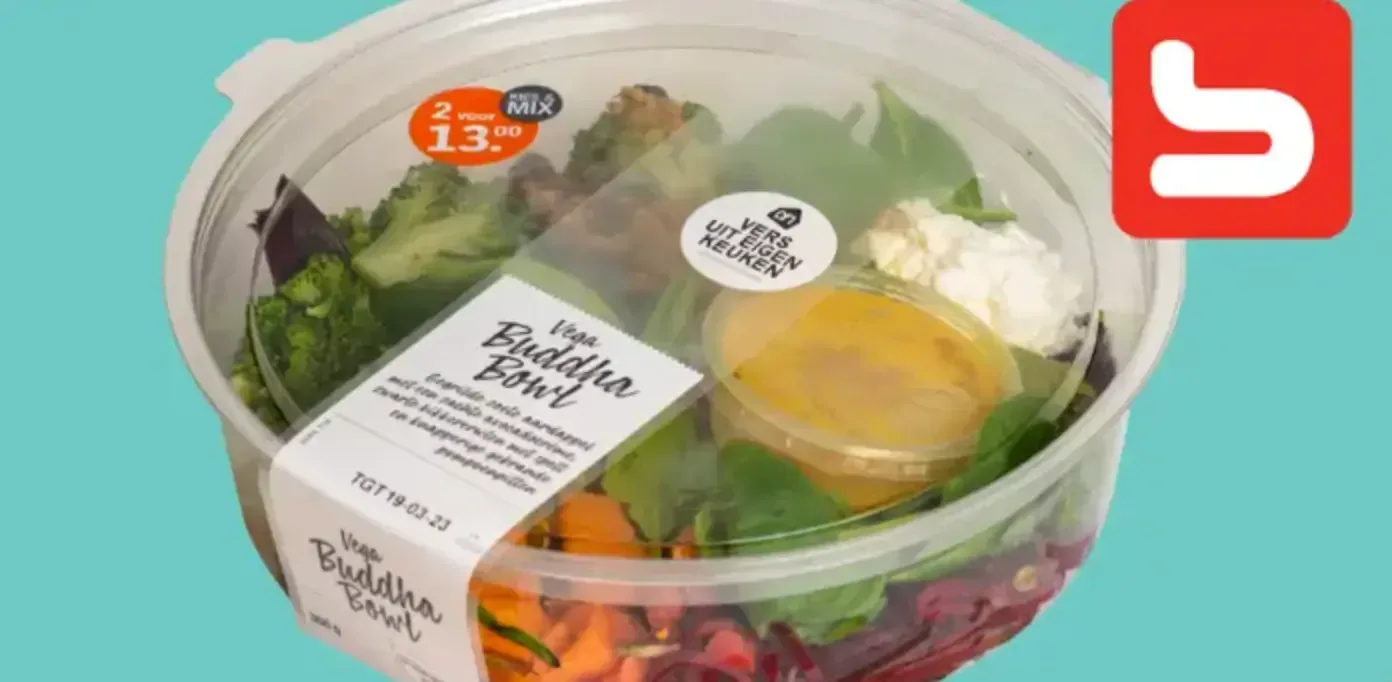
The hidden costs of adhesive labels
Adhesive labels have traditionally been the go-to for labeling salad packaging. Why? Mainly because of the packaging speeds and its affordability. But as sustainability becomes more of a priority for customers and stricter regulations loom, the downsides of adhesive labels are becoming harder and more expensive to ignore.
- Sustainability red flag: Adhesive residue sticks to the container, making it difficult to recycle the container. With upcoming regulations, like the PPWR, that seek to ensure packaging is optimized for recycling, it is becoming a concern as to how adhesive labels will be impacted by this regulation.
- Liner waste: Every label backing ends up in the trash, increasing your packaging footprint.
- Minimal branding space: Small labels offer little room for creative branding, compliance info, or storytelling.
- No double-sided branding: Adhesives make the label’s reverse side unusable, unlike banding, which allows branding on the inside and the outside.
The result? A packaging method that’s quick, but not environmentally friendly.
Sleeves: The heavier, costlier option
Cardboard sleeves seem like a more premium option, but they bring their own set of challenges, especially when applied to oddly shaped salad packaging containers.
- More material, more waste: Sleeves add bulk and weight, increasing both material costs and recycling load.
- Limited to cardboard: Your branding options are confined to one material type.
- Prone to shifting: Sleeves can move or shift during transport or shelf stocking, while bands stay sealed at optimal tension.
- Manual labor requirements: Many sleeves require manual application, slowing down operations and increasing labor costs.
- Moisture sensitivity: Sleeves need special coatings to withstand condensation/moisture, adding more cost and reducing recyclability.
For salad packagers, sleeves may look like a good solution, but they often slow you down, add bulk to your product, and are more expensive.
Banding: Smarter, sleeker salad packaging
Banding offers a modern alternative that’s purpose-built for today’s salad packaging needs. Whether you're branding single-serve containers or bundling multiple items like utensils or toppings, banding delivers flexibility without the drawbacks.
Here’s what makes it better:
- No adhesives: Bands wrap securely without sticking to the container, keeping packaging clean and fully recyclable.
- Dual-sided branding: The inside of the band is usable space, perfect for messaging, QR codes, or promotions.
- No shifting: Banding is sealed to precise tension, holding its position even on irregularly shaped containers.
- Works with unique shapes: Whether your container is round, square, or custom-molded, banding adjusts with ease.
- Bundle with ease: Want to bundle multiple salads together for logistical or stocking purposes? With banding, it's possible, offering you two applications with one solution.
Reflect and rethink: What’s your branding strategy really doing?
If you’re responsible for getting fresh salads onto shelves quickly, cleanly, and attractively, it’s time to ask:
Are your current branding methods supporting your goals? Or are they silently working against them?
Do they meet your operational needs today and regulatory demands tomorrow?
If you’re looking for a solution that’s lighter, smarter, and built for shelf impact, banding may be exactly what your packaging line is missing.
This article was originally published by Bandall.

Related News
-
Supplier News
Bandall: Linerless labeling for ready meals – An alternative to adhesive labels
-
Supplier News
Bandall: How printing companies can bundle more efficiently
-
Supplier News
Bandall: 5 reasons to use banding for skin packaging
-
Supplier News
Bandall: A smarter way to label meat packaging
-
Supplier News
Bandall: Banding vs labels or stickers – which offers better tamper-evident packaging?
Latest Packaging News

Grated cheese goes pocket-sized with limited-edition clip-on packaging
Kraft Natural Cheese has introduced Pocket Parm™, a limited-edition miniature version of its grated...
Truly Grass Fed updates packaging in response to consumer preferences
Truly Grass Fed has introduced a refreshed packaging design across its dairy product range, with a...
Miron® introduces refreshed brand identity and website
A new digital experience brings protective glass packaging, expertise, and inspiration together...
Raft of new exhibitors completes the UKPackaging EXPO 2026 line-up
A surge of newly confirmed exhibitors has finalised the floor plan for the highly anticipated...