Autopack: How to balance speed and flexibility in a packaging line

Supplier News
Speed sells packaging machinery and it’s easy to understand why. A faster packaging line can increase output, reduce the cost per pack and help manufacturers respond to growing demand.
But speed tells only part of the story, indeed, for many manufacturers, the fastest machine is not necessarily the best machine for the job. Product ranges change, customers request new formats and retailers introduce different pack sizes. A line designed around maximum output for one product could quickly become a constraint when the market moves on.
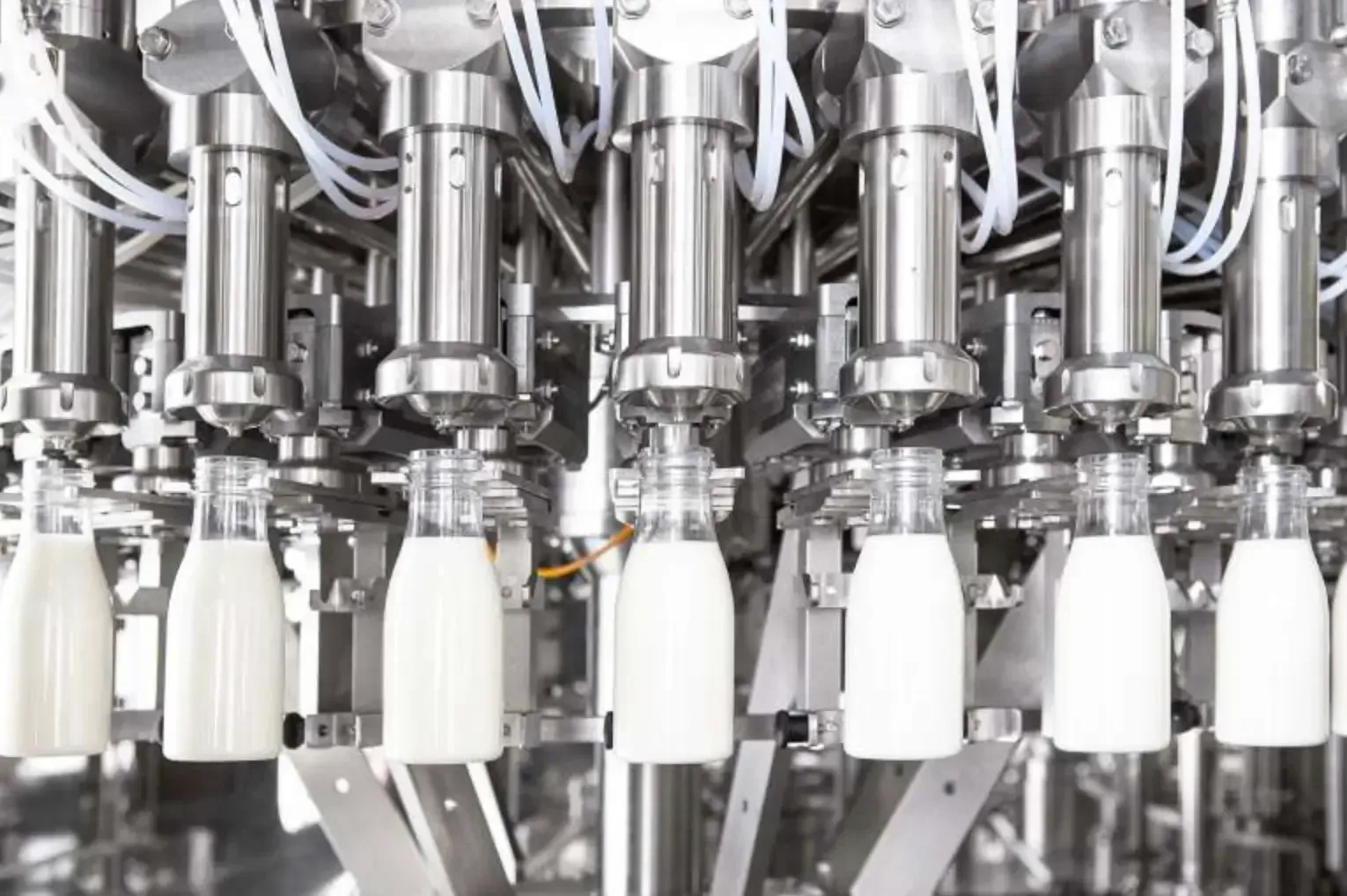
So, the need to build a super-quick packaging line isn’t always the only consideration. It needs to be flexible, delivering the right output and allowing the customer room to adapt.
That’s why as an independent line integrator, Autopack assesses speed in the context of the complete application, including products, formats, changeovers, available space and future plans. Our aim is to create a balanced packaging line that offers speed and flexibility, rather than simply specify the fastest individual machine.
What is the trade-off between packaging line speed and flexibility?
High-speed packaging machinery is optimised to perform with exceptional efficiency. Where a manufacturer runs the same product, container and closure for long periods, this can provide a solid return on investment.
The trade-off becomes apparent when more frequent changeovers are required. A business might need to handle different bottles, pouches, tubs, buckets, caps, labels
or case configurations. Each variation can require adjustments, additional tooling or a line stoppage. The wider the range of products and formats, the more difficult it can be to maintain maximum output across every production run.
Flexibility isn’t always about achieving the highest running speed. It’s about having machinery that can adapt quickly, minimise downtime between changeovers, handle a wider range of products and packaging formats, and give manufacturers the capacity to take on new opportunities.
There’s no compromise if it produces a better result. A machine capable of running one format at extremely high speed may spend significant periods idle if demand changes. A more adaptable machine could achieve a higher level of utilisation by supporting several products or customer contracts.
Why should flexibility be considered at the start?
Before equipment is selected, manufacturers should consider what production could look like in two, five or even 10 years. Will new pack sizes be introduced? Could the business enter another market? Are shorter runs becoming more common? Might additional inspection, coding or labelling equipment be required? And could future packaging regulations result in further changes in formats or material choice?
Answering these questions early can prevent machinery from becoming a costly “graveyard of kit” that was suitable for one application but cannot support the next opportunity.
A flexible packaging line can also help reduce the risk associated with winning new contracts. Instead of purchasing a standalone machine for every project, manufacturers can invest in a platform capable of being adjusted, upgraded or integrated with additional equipment.
Does a flexible packaging line have to be slower?
Not necessarily. Flexibility and speed are not mutually exclusive, but the correct balance depends on the application. The key is not about how fast a machine can run but what output can the complete line sustain under real production conditions.
Top speed can be misleading if upstream or downstream processes cannot keep pace. Filling equipment might achieve an impressive rate, but the overall output will still be restricted if bottle handling, capping, labelling, inspection, case packing or palletising creates a bottleneck.
Product characteristics also matter. Foaming liquids, fragile products, powders with inconsistent flow properties and complex closures may require more controlled handling. Pushing the line beyond the optimum operating rate could affect accuracy, presentation, product integrity or reliability.
The best-performing packaging line is therefore the one in which every component works together at an appropriate, sustainable speed.
Why does independent machinery selection matter?
No two packaging projects are identical. Products, packs, available space, budgets and production targets vary considerably, so a standardised answer is rarely the right one.
As a leading independent integrator of packaging lines, Autopack is not tied to a single machinery manufacturer. Its engineers can assess the complete application and select the best machine for each stage of the project.
That independence makes it possible to compare technologies according to the customer’s priorities. One manufacturer may need exceptional throughput with minimal variation. Another may require rapid changeovers across a broad range of formats. A third might need a modular line that can be expanded as their business grows.
This whole-line approach matters in practice. For P&B (Foods), Autopack integrated container handling, filling, two different capping technologies and multifunctional labelling into a line capable of accommodating multiple sauce formats. The project also involved detailed factory-layout planning, illustrating why line performance depends on integration rather than the headline speed of one machine.
Autopack’s international relationships further widen the technologies available for tailored and integrated packaging lines, including machinery covering flexible formats, PET bottle production and net weight filling applications.
The result is not a collection of individual machines. It is an integrated packaging solution designed around the product, production environment and long-term commercial plan.
Frequently asked questions
What is a flexible packaging line?
A flexible packaging line is designed to handle more than one product, pack size or format. It may incorporate adjustable equipment, recipe-based controls, interchangeable tooling and modular components that can be upgraded or reconfigured.
Is the fastest packaging machine always the most efficient?
No. True efficiency depends on sustainable line output, changeover time, downtime, product waste and how frequently the equipment is used. The fastest individual machine can still be limited by other processes.
How can manufacturers improve packaging line flexibility?
Flexibility can be improved through modular design, automated adjustments, stored production recipes, quick-change tooling and equipment with a wide operating range. Requirements should be identified before machinery is specified.
Why use an independent packaging line integrator?
An independent integrator can select machinery from different manufacturers rather than being restricted to one range. This allows each component to be chosen according to the product, speed, format, space, budget and future production needs.
What should manufacturers assess before specifying line speed?
- How many products and pack formats will the line handle?
- How frequently will changeovers take place?
- What output must the complete line sustain, rather than the fastest individual machine?
- Which upstream or downstream stages could create bottlenecks?
- Are more products, closure types or pack sizes likely to be introduced?
- Can the equipment be upgraded, reconfigured or integrated with additional machinery?
- How do downtime, waste and changeover time affect the business case?
How does Autopack balance speed and flexibility?
Autopack assesses the complete production requirement, including products, packs, changeovers, throughput and growth plans. It then selects and integrates the machinery needed to create a balanced, reliable and adaptable packaging line.
Planning a new packaging line or reviewing an existing one? Speak to Autopack about your products, pack formats, changeover requirements and target output. Our engineers can help specify an integrated line that balances sustainable speed, production flexibility and long-term value.
This article was originally published by Autopack.

Related News
-
Supplier News
P&B (Foods) boosts sauce production with 200-bottle-per-minute Autopack line
-
Supplier News
Autopack: A guide to nutraceutical packaging equipment and pack formats
-
Supplier News
Autopack: What is a sealing machine and how does it work?
-
Supplier News
Autopack Group launches new division Autoweigh at PPMA Show with smallest ever multihead weigher
-
Supplier News
PPMA Show sees a full packaging line-up and new division from Autopack
Latest Packaging News

Autopack: How to balance speed and flexibility in a packaging line
Speed sells packaging machinery and it’s easy to understand why. A faster packaging line can...
Global e-commerce packaging market to exceed $105 billion by 2031
In partnership with Packaging Innovations & Empack. New research from Smithers, produced for...
Automate UK shifts focus from strategy to delivery with refreshed manifesto for automation
Automate UK, the leading UK trade association for the processing and packaging machinery,...
Epson research highlights barriers to industrial robot adoption
New research from Epson Europe finds that manufacturers are actively exploring robotics to improve...