Autopack: What is a sealing machine and how does it work?

Supplier News
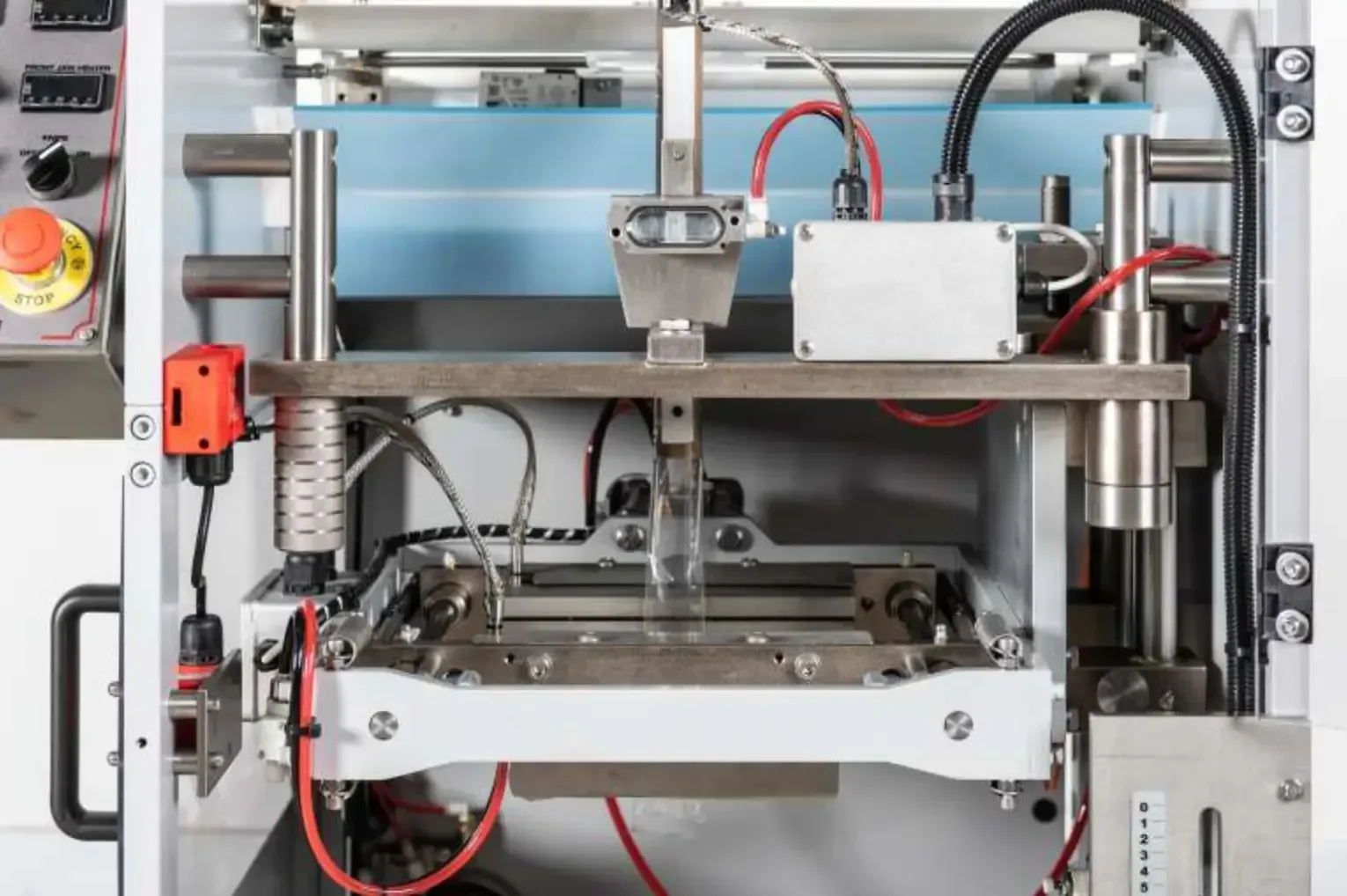
A sealing machine closes packaging after a product has been filled or packed. Depending on the format, it might heat-seal a flexible bag, apply a cap to a bottle or secure a carton ready for transport. Closing the pack keeps the contents contained and prepares it for handling or distribution. Heat sealing is one of the most common methods used for bags and pouches, with continuous band sealing machines providing a repeatable way to process one pack after another.
What Is a Sealing Machine?
At its simplest, a sealing machine is a piece of packaging equipment that closes an open pack. It may use heat, pressure, adhesive, tape or a fitted closure, with the method chosen to suit the packaging material and the product inside.
Not every sealer works in the same way. Bags and pouches can be fused along their open edges, while bottles and jars are usually closed with caps or lids. Case sealers secure secondary packaging, bucket lidding and sealing equipment handles larger rigid containers and a bag-in-box carton closercloses the outer box once the filled bag has been inserted.
Here, we are looking mainly at sealing machinery used in industrial production, with a particular focus on bag and pouch sealers.
How Do Sealing Machines Work?
Although the details vary, most sealing processes follow the same basic sequence. The open pack is presented to the machine and positioned correctly. Heat and pressure, tape, adhesive or a mechanical closure is then applied before the sealed pack leaves the machine.
A continuous band heat sealer is a good example. The operator guides the open edge of a filled bag or pouch into the machine. Moving bands carry it through a heated section and then a cooling section, forming the seal as the pack travels along the conveyor.
Heat, Pressure and Temperature Control
Heat-sealable packaging contains a layer that softens and bonds at the correct temperature. Heated elements or sealing jaws warm this layer before applying pressure to join the two sides of the pack. The seal then cools and sets.
Getting the temperature right matters. Too little heat can leave parts of the opening unsealed, while excessive heat may distort or damage the packaging. Operators should begin with the settings recommended by the machine and material manufacturers, then inspect the finished seal before moving into full production.
Conveying and Continuous Sealing
A continuous band sealer keeps each bag moving through the sealing area rather than stopping for an individual cycle. This allows one pack to follow another while keeping its movement and time under heat controlled.
AutoPack’s SV30 continuous band sealer is designed for small to medium bags and pouches. Larger or heavier packs may require the additional support offered by the SV30 Heavy Duty. Where gas must be introduced before the pack is closed, the SV30 Gas Flush Sealer can work with a range of gases.
What Are the Main Types of Sealing Machines?
Sealing is a broad term. The equipment used to close a pouch is quite different from the machinery needed for a capped bottle, bucket or corrugated case.
Bag and Pouch Sealers
Heat sealers close compatible bags, pouches and films by fusing the material across the open edge. On a continuous band model, moving bands and a conveyor guide the pack through the heated area.
These machines are commonly semi-automatic, meaning an operator presents each filled pack before the machine takes it through the sealing process. AutoPack’s bag and pouch sealing machine range includes standard, heavy-duty and gas-flush models.
Capping Machines
Bottles and other rigid containers are usually closed using caps, lids or similar fitted closures. A capping machine places or tightens the closure onto the container. Depending on the model, this may be a semi-automatic task or part of a fully automatic line.
The bottle and cap need to be considered together because different closure styles require different handling and tightening methods. AutoPack supplies capping machines for a range of rigid-container applications.
Case and Carton Sealers
he sealing process does not always end with the primary pack. Products grouped into corrugated cases also need to be secured before storage or transport. Case sealing machines usually close the flaps using adhesive tape or hot-melt glue.
Bag-in-box production has its own requirements. Once the filled bag has been placed inside the outer box, dedicated carton-closing equipment can secure the top flaps.
Lidding and Sealing Equipment
Buckets and other large rigid containers often require machinery that positions, presses or secures a lid. Some applications also include a separate sealing stage.
The container, lid and product all affect the equipment required. Bucket lidding and sealing machinery can be used on its own or incorporated into a more complete bucket packaging line.
What Is a Sealing Machine Used For?
The main purpose of a sealing machine is straightforward: to close the pack securely once the product has been added. That keeps the contents contained during normal handling and prepares the pack for storage, transport or sale. It can also provide a more consistent finish than closing every pack by hand.
The method depends on what is being packed. Food and drink manufacturers may heat-seal flexible bags or pouches, while producers in the pharmaceutical, chemical, personal care and home care sectors may use caps or lids on rigid containers. Cases and cartons are normally sealed later, once the individual packs have been grouped for transport.
A suitable seal can help protect the contents from leakage or unwanted exposure. However, the result depends on the packaging material, machine settings and quality of the finished seal. Shelf-life or contamination claims should only be made where the complete packaging process has been properly tested and validated.
What Materials Can Heat Sealing Machines Seal?
Heat sealing only works with packaging that contains a layer designed to soften and bond under heat and pressure. Depending on the machine, this may include certain polyethylene, polypropylene, polyamide, laminated or foil-based bags and pouches.
Knowing the general material type is not always enough. Film construction, coating, thickness and the condition of the sealing area all affect how the pack behaves. Two films containing the same type of plastic may still need different machine settings.
The proposed packaging should be tested on the machine using a suitable temperature and production speed. Seal width and pressure may also need adjusting between formats. If several materials will run through the same sealer, it is worth checking the changeover process before choosing the equipment.
Where Does a Sealing Machine Fit in a Packaging Line?
On a smaller production line, sealing may be a separate operator-led stage. In a more automated setup, the sealer can work between the filling process and downstream inspection or packing machinery.
Before a bag or pouch is sealed, the product may be filled, counted or measured using weighing machinery. Bottles and other rigid containers can travel from a filler to a capper, while corrugated cases are usually sealed much later in the process.
Once closed, packs may continue by conveyor to inspection, labelling, case packing, palletising or another end-of-line stage. The operating speeds and transfer points need to work together, otherwise the sealer may become the next bottleneck. The wider range of packaging machines shows how these stages can be combined.
How Do You Choose the Right Sealing Machine?
Begin with the packaging, not the machine. Its material, dimensions, weight and closing method will determine which sealing options are worth considering. For heat-sealed packs, the film structure and thickness will affect the temperature and pressure required.
Next, look at how the machine will be used. How many packs must it process? Will an operator feed and collect them? How often will the format change? A large or heavy bag may also need more conveyor support than a small pouch.
Gas flushing is only relevant where the product and packaging process require it. If the machine will connect with filling, weighing or downstream equipment, you will also need to check conveyor heights, direction of travel, controls and operating speeds.
When you are ready to compare specific models, view AutoPack’s bag and pouch sealing machines.
How Should Sealing Machines Be Maintained?
Good maintenance starts with routine cleaning and inspection. Product residue and scraps of packaging should be removed from the sealing area and conveyor in line with the manufacturer’s instructions. Belts, heating components and other wear parts should also be checked at the recommended intervals.
Operators should keep an eye on temperature, speed and the appearance of the finished seal during production. If the seal changes, the cause could be an incorrect setting, a worn component or an issue with the packaging itself.
Machine-specific repairs and electrical work should be left to someone with the appropriate training. AutoPack provides maintenance and service contracts for professional servicing and continued technical support.
This article was originally published by Autopack.

Related News
-
Supplier News
Autopack Group launches new division Autoweigh at PPMA Show with smallest ever multihead weigher
-
Supplier News
PPMA Show sees a full packaging line-up and new division from Autopack
-
Supplier News
Autopack Group’s Technosys helps leading pork scratchings producer rebuild production after fire
-
Supplier News
Autopack and Weightpack link-up to provide advanced net weight filling systems to UK manufacturers
-
Supplier News
Autopack: How packaging automation transforms home care product lines
Latest Packaging News

Clean and dry, every time: How SUPER DRY helps protect premium egg quality
For high-quality egg suppliers, appearance matters. Even minor shell or quality defects can affect...
Rowlinson Packaging: The hidden cost of product damage and why industrial packaging matters
For many businesses, packaging is often viewed as a procurement decision focused primarily on cost....
Autopack: What is a sealing machine and how does it work?
A sealing machine closes packaging after a product has been filled or packed. Depending on the...
PHS: Automatic pallet wrapper – A practical assessment checklist
Could a faster wrapping machine slow the line down? An automatic pallet wrapper may have an...