Study finds food packaging inaccessible for 83% of visually impaired shoppers
Technology
New findings suggest that grocery shopping remains a substantial challenge for people with severe visual impairments, prompting renewed calls for retailers and brands to improve accessibility through existing technology solutions.
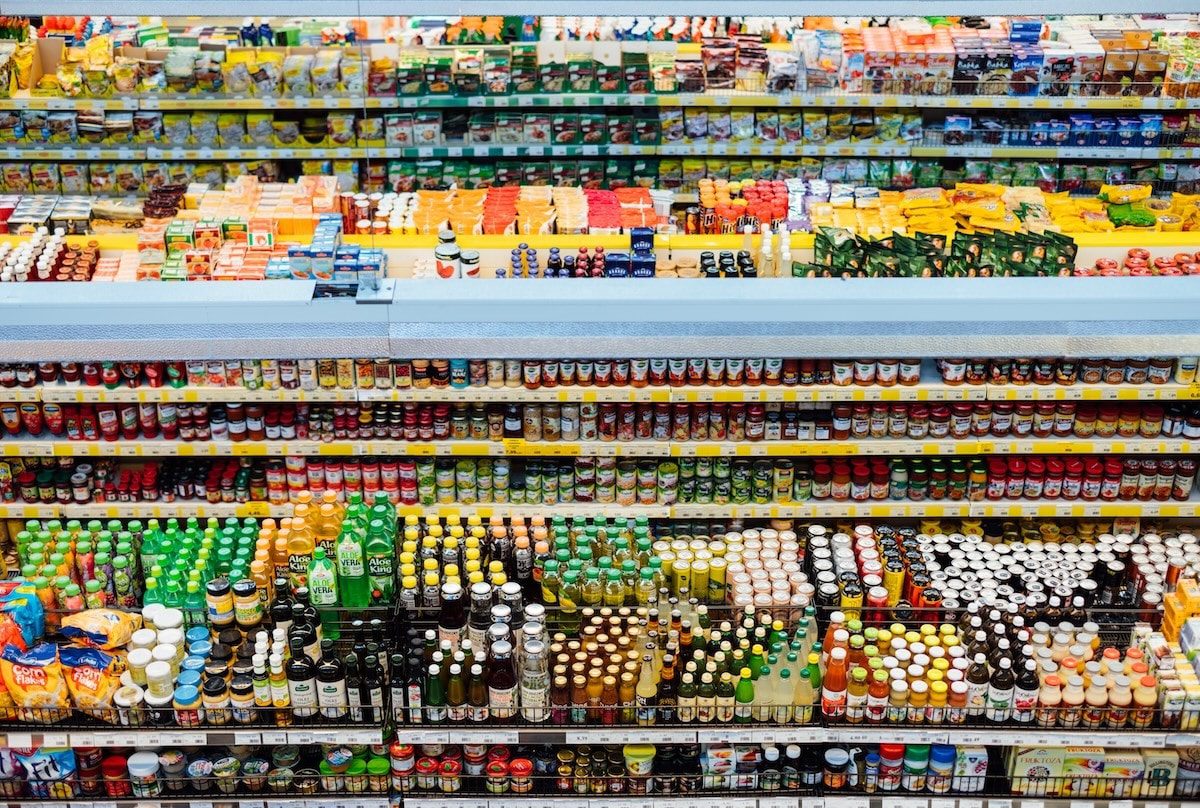
According to research commissioned by GS1 UK, 71 per cent of respondents with significant sight loss report that food shopping is difficult, with a similar proportion choosing to avoid it altogether. The study indicates that accessing information on packaging is a major concern: 83 per cent say product details are hard or impossible to read, and nearly three quarters feel that packaging design rarely considers the needs of people without sight.
The research forms part of GS1 UK’s broader work on inclusive shopping experiences, which includes partnerships with technology providers such as Zappar and Navilens. The organisation notes that the challenges extend beyond inconvenience, often affecting emotional wellbeing, independence and personal safety.
A notable proportion of participants said they have unintentionally purchased items containing ingredients they avoid or cannot consume (41 per cent), while 37 per cent have suffered allergic reactions after being unable to read on-pack information. Barriers cited by respondents include small text (56 per cent), inadequate lighting in stores (40 per cent), frequently changing shelf layouts (23 per cent) and limited staff support (22 per cent). Other difficulties include complex store navigation (17 per cent), the absence of audio descriptions or app-based assistance (14 per cent), and a lack of braille or tactile markings (13 per cent).
These obstacles contribute to feelings of stress (26 per cent), frustration (23 per cent) and anxiety (21 per cent) when trying to identify products. More than half (53 per cent) have had to rely on strangers to read labels, a situation that 36 per cent find uncomfortable. As a result, 83 per cent say they tend to purchase the same familiar brands to minimise uncertainty.
When asked how the shopping experience could be improved, respondents highlighted clearer, high-contrast text (56 per cent), consistent store layouts (43 per cent) and better staff training on supporting visually impaired customers (37 per cent).
I’m a bit unadventurous, it’s difficult to explore new products when you can’t read the labels. Consistency is key. We need accessible QR codes across everything — not just in the cereal aisle or on a few products.
The ability to scan from a distance and instantly get information would be a miracle for shoppers like me – and having information on the products stored and accessible quickly in a consistent way would make shopping easier, fairer, and far more inclusive.
Vicky Blencowe, a volunteer with the Sight Loss Council – who has sight loss due to being diagnosed with Stargardt’s disease.
GS1 UK points to QR codes as a practical route to greater accessibility. By scanning an on-pack QR code, customers can access digital product information compatible with screen readers and assistive tools such as Zapvision, Be My Eyes and Seeing AI. This allows key details—including ingredients, allergen information, storage instructions and portion guidance—to be delivered audibly through a shopper’s own device.
While larger print on packaging is frequently requested, the research notes that space limitations make this difficult to implement. QR codes, however, can provide an alternative means of accessing comprehensive information in a format that is both navigable and inclusive.
RNIB champions truly accessible design. Accessible QR codes give brands a straightforward way to deliver on this and transform the shopping experience for blind and partially sighted people – and anyone with a print disability. The faster companies get on board, the quicker everyone benefits.
Daphne Mavroudi-Chocholi, Managing Director of RNIB Enterprises.
Awareness and use of QR codes is already growing: 40 per cent of visually impaired shoppers surveyed have used them to obtain product details, and 80 per cent say they would use them more often if they were widely adopted by retailers. GS1 UK believes this existing technology could help increase confidence and autonomy for shoppers with sight loss, supporting a safer and more accessible retail environment.
Related News
-
Technology
Strongbow launches accessible drinks packaging using QR codes
-
Technology
Persil's new QR codes make shopping more inclusive for blind and partially sighted people
-
Technology
Müller boosts packaging accessibility with NaviLens codes
-
Technology
On-pack codes enhance accessibility for SMA Nutrition products
-
Technology
Beyond labels: Unilever trials on-pack AQR codes for AI-assisted cooking
Advertisement

Latest Packaging News

Grated cheese goes pocket-sized with limited-edition clip-on packaging
Kraft Natural Cheese has introduced Pocket Parm™, a limited-edition miniature version of its grated...
Truly Grass Fed updates packaging in response to consumer preferences
Truly Grass Fed has introduced a refreshed packaging design across its dairy product range, with a...
Miron® introduces refreshed brand identity and website
A new digital experience brings protective glass packaging, expertise, and inspiration together...
Raft of new exhibitors completes the UKPackaging EXPO 2026 line-up
A surge of newly confirmed exhibitors has finalised the floor plan for the highly anticipated...