Sovereign Labelling Machines: why 304 stainless steel matters in professional manufacturing environments

Supplier News
304 stainless steel offers a proven solution for modern manufacturing environments: strength, cleanliness, and durability. These qualities make it a trusted choice for modern labelling and sleeving machinery.
Clean production spaces demand reliable materials. Equipment must support strict hygiene standards. Surfaces must resist corrosion, contamination, and wear. For this reason, 304 stainless steel is the option for machinery frames, guarding, and contact surfaces.
As brands and co-packers depend on materials that protect product quality and ensure safety, 304 stainless steel has become the standard across food, beverage, pharmaceutical, and personal care production environments and plays a major role in labelling and sleeving equipment used in sensitive environments.
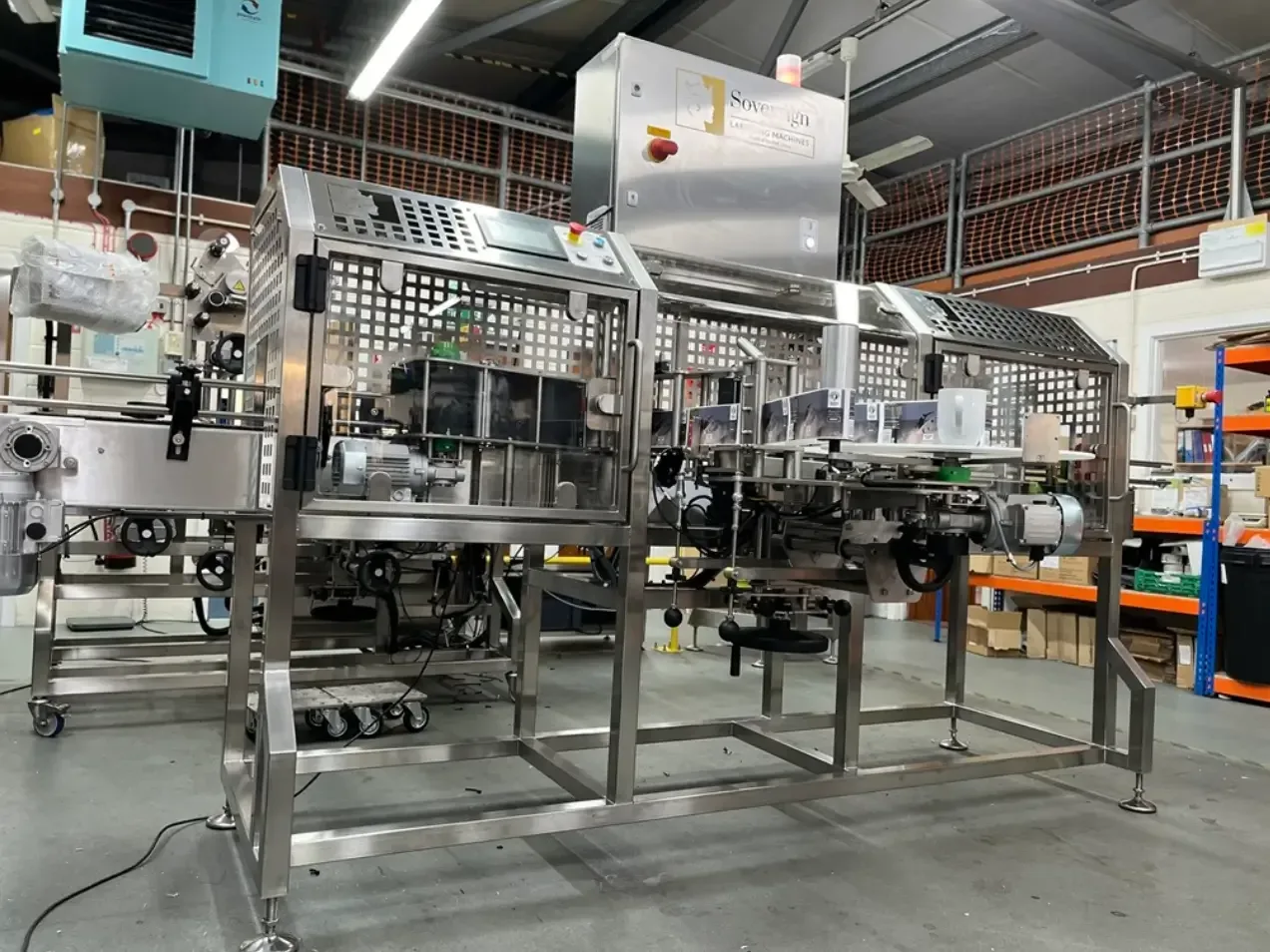
What is 304 stainless steel?
304 stainless steel is an austenitic stainless steel alloy. Austenitic stainless steel is defined by its face-centred cubic (FCC) crystal structure. This provides excellent ductility, toughness, and corrosion resistance. 304 stainless steel contains chromium and nickel. Chromium creates a passive layer on the metal surface. This layer protects the steel from corrosion and oxidation.
The typical composition includes around 18% chromium and 8% nickel, meaning the material is often referred to as 18/8 stainless steel. The structure delivers strength, stability, and long service life.
Manufacturers value this grade because it performs well across a wide range of production settings, such as humid or cold environments and during washdown.
Hygiene and cleaning
Hygiene is critical in modern manufacturing environment, whether food and beverage or pharmaceuticals and pet food.
As brands and retailers face ever stricter quality controls, so co-packers are operating under stringent safety requirements. In either scenario, production equipment must support these requirements.
304 stainless steel offers a smooth and non‑porous surface. The surface does not absorb liquids. Bacteria struggle to attach and grow on clean stainless surfaces. This matters in high care zones, such as product filling lines, which labelling and sleeving machines often sit close to.
Equipment surfaces must also support rapid cleaning during changeovers and maintenance. Operators can clean 304 stainless steel using common sanitising chemicals. The surface also resists staining and corrosion from exposure to harsh cleaning agents.
Labelling and sleeving machinery can also be exposed to moisture and product spills, which also risk corrosion. This means the materials used to build machines must resist corrosion over long operating periods.
304 stainless steel performs well in this regard. The chromium layer protects the metal from rust. This prevents a major contamination risk and supports longer equipment life and lower maintenance costs.
Strength and structure
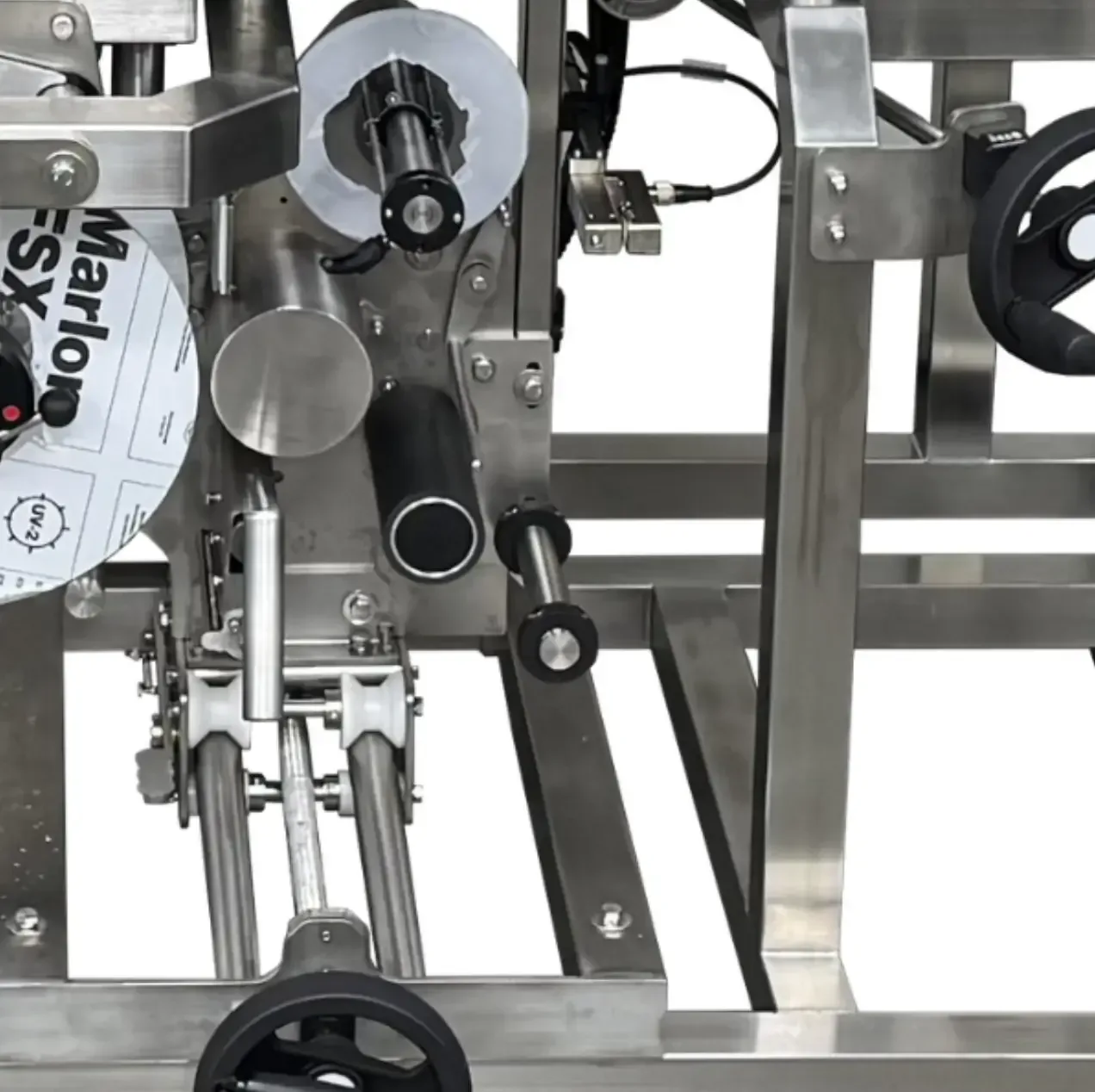
With labelling and sleeving machinery operating at high speeds, equipment frames must remain stable during continuous production, resisting vibration and mechanical stress.
304 stainless steel delivers strong structural performance. The material supports rigid machine frames and maintains alignment during long production runs.
Such stability supports accurate label placement and precise sleeve application, improving packaging quality and reducing waste.
Durability also matters for long equipment life. Many machines remain in service for years. 304 stainless steel helps protect an investment.
Compliance with industry standards
Food, beverage, and pharmaceutical industries follow strict hygiene standards. Equipment design must align with these expectations.
304 stainless steel supports compliance with many international guidelines. These include food safety regulations and hygienic design principles. Engineers and auditors recognise the material as safe for use in production environments.
Sovereign uses 304 stainless steel for all of its labelling and sleeving machine frames, guarding, and control cabinets. Brands and retailers benefit from this assurance and can demonstrate robust hygiene credentials.
For example, engineers can create smooth welds and rounded edges. These features reduce dirt traps, improve cleanability, and support modern hygienic design.
Long-term investment
304 stainless steel offers enhanced wear properties, enhanced load bearing, and corrosion resistance without additional coating.
Stainless steel supports fast cleaning routines and maintains structural stability over time. These advantages reduce downtime and maintenance, while extending machine lifespan.
For brands and co-packers this reliability protects the value of an investment and ensures production schedules are upheld.
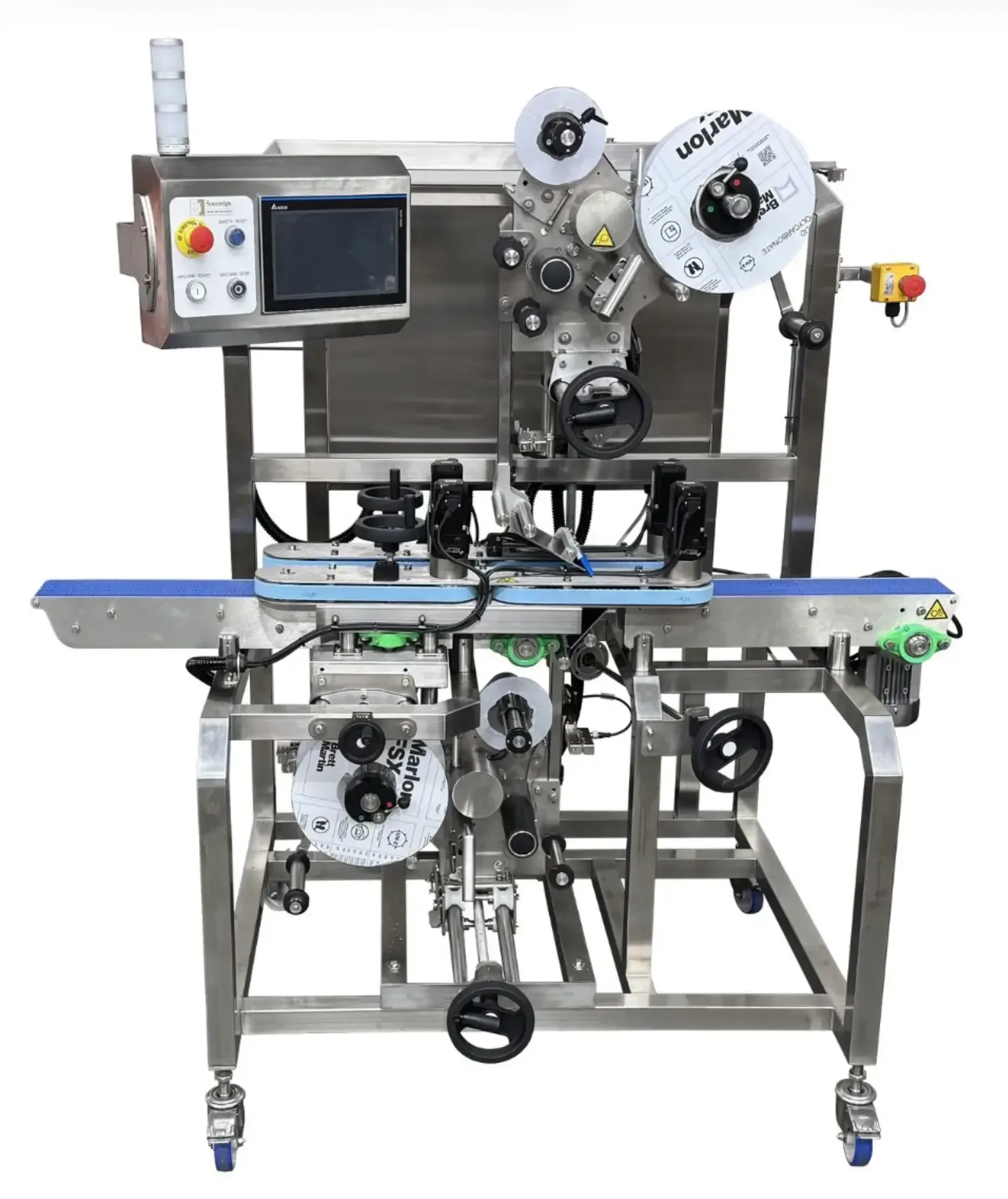
Sovereign only uses brushed polished stainless steel box sections, which are fully welded and have no areas where bacteria and bugs can locate themselves and fester, as is often the case with extruded aluminium profiles.
In hygiene critical industries, materials matter. 304 stainless steel offers a proven solution. It combines strength, cleanliness, and durability. These qualities make it a trusted choice for modern labelling and sleeving machinery.
Moreover, Sovereign benefits from economies of scale that allow us to readily acquire and use stainless steel to offer cost-effective and tailored solutions built using the best materials for the application.
To discuss how the design and construction of Sovereign's machines suit your application(s) and manufacturing environment, contact us today!
For further information on Sovereign Labelling Machines and its labelling and sleeving solutions, please see sovereign-labelling.co.uk

Related News
-
Supplier News
Sovereign Labelling Machines: The future of labelling – Challenges and opportunities for brands and co-packers
-
Supplier News
Sovereign Labelling Machines brings ‘The Sovereign Standard’ to PPMA Show 2026
-
Supplier News
Sovereign Labelling Machines targets growth in Africa
-
Supplier News
Edmunds enhances bottled cocktail neck sleeves with Sovereign Labelling Machines
-
Supplier News
Sovereign brings tailor-made labelling solutions to life at Packaging Innovations & Empack 2026
Latest Packaging News

Alupro publishes independent econometric review of the UK PRN market
Alupro has released an in-depth econometric analysis of the Packaging Recovery Note (PRN) market,...
BERO reintroduces limited-edition Spider-Man beer cans
Non-alcoholic beer brand BERO has announced the return of its limited-edition Spider-Man-themed...
Conference programme to tackle sustainability, regulation and innovation at UKPackaging Expo
UKPackaging Expo will put insight, regulation and real-world best practice centre stage this...
PCR and PPWR: Be ready for the 2027 gardening season with PEKU Folien!
As one gardening season comes to an end, preparations for the next are already underway. Whether...