TIPA: Can fast fashion be sustainable – and why does packaging matter?

Supplier News
Fast fashion has become an integral part of consumers’ experience as an easy and fun way to stay trendy without spending a fortune. While fast fashion’s origins began in the 1960s, it has gained momentum at the turn of the 21st century. With time, it has become increasingly admirable to combine trendy low-cost fashion with high-fashion items.
Fast fashion’s rapid production and consumption cycles pose significant sustainability concerns, driven by the use of resource-intensive materials and energy-intensive manufacturing processes. This model contributes to environmental issues like water pollution, carbon emissions, and excessive textile waste, alongside social challenges such as poor labor conditions. To address these impacts, the industry is increasingly embracing sustainable approaches, ranging from alternative materials and circular design to greater transparency across the supply chain.
Today, the concept of fast fashion is challenged by educated consumers and environmentalists worldwide, calling for its replacement with sustainable fashion, eco fashion, slow fashion or ethical fashion.But what about fast fashion’s environmental impact? Can fashion ever be 100% sustainable?
What is fast fashion – and why does packaging matter?
The term “Fast Fashion” refers to inexpensive clothing that is replicated and is quickly available to consumers, in line with the latest fashion trends seen on the catwalk. The garments are often of poor construction and of low quality since they are intended to be worn only a few times and disposed of, being replaced by new upcoming trendy items.
To keep up with the latest trends and the growing appetite of consumers, fast fashion has long shifted from presenting only 4 seasonal collections. Fast fashion giants like ZARA introduce more than 20 different collections a year, and from design to sale timeframe is roughly 5 weeks. New players in the ultra fast fashion such as ASOS and Misguided, bring new products from the design table to the sales rack in as little as a week or two, creating as many as 1000 new items a month.
Consumers do not want to pay a lot for trendy clothes that will quickly fall out of fashion and be discarded. Whilst the fashion industry is working around the clock to deliver the latest catwalk trends for as cheap as possible, looking at quantity rather than quality. Naturally, there are hidden environmental costs.
These packaging choices are also attracting increasing regulatory scrutiny, with the EU’s Packaging and Packaging Waste Regulation (PPWR) applying to packaging formats commonly used by fashion brands, including polybags, poly mailers, and garment packaging placed on the EU market.
The environmental cost of fast fashion packaging
The fashion industry is the third-largest manufacturing sector after the automotive and technology industries, and is responsible for 10% of the annual global carbon emissions. The most common fabric in the clothing industry is the oil-based polyester. Being durable, lightweight, and inexpensive, it has more than double the carbon footprint of cotton, and may take hundreds of years to decompose.
The fashion industry is also wasteful when considering its water consumption. Annually, it uses 93 billion cubic meters of water – enough to meet the needs of five million people. Furthermore, around 20% of global wastewater comes from the treatment of fabrics and its dyeing process.
To satisfy the growing demand of the new trends, the designers and producers of the fast fashion brands are often underpaid yet overworked, having to meet tight deadlines over a short timespan. There are cases indicating fast fashion workers work gruesome 14 to 16 hours a day, 7 days a week, in unsafe and unhealthy conditions.
Not only is the production process unsustainable, but so is the fast fashion’s end-of-life. Less than 1% of used clothing is recycled into new garments, whereas most are being incinerated or end up in landfills, heavily polluting the environment and contributing to climate change.
Global plastic production reached approximately 430.9 million metric tons in 2024, yet less than 10% of all plastic ever produced has been recycled. The fashion sector is not exempt: packaging plastics from apparel shipments remain among the least-recycled material streams globally.
The environmental impact of fast fashion extends beyond visible waste. A December 2025 report by The Pew Charitable Trusts found that while packaging remains the largest source of plastic waste globally, textiles are projected to experience the fastest growth in plastic waste generation through 2040, driven largely by the continued expansion of fast fashion. At the same time, a 2024 study commissioned by the Changing Markets Foundation found that recycled polyester, often promoted as a more sustainable alternative, sheds more microfibres than virgin polyester and releases the finest particles among the fibres tested. These microplastics have now been detected in human lung tissue, blood, and placental tissue, with researchers linking exposure to chronic inflammation, respiratory disease, and increased cardiovascular risk.
Compostable packaging as a fast fashion solution
Stella McCartney considered to be a sustainability veteran in the fashion scene, with her UK ethical luxury brand being launched in 2001. The designer immediately took a stance against animal and environmental exploitation and refused to use fur, feathers, and leather in her collections.
Soon, Stella McCartney switched to organic cotton and started packing her products in sustainable packaging, such as TIPA’s compostable pouches.
The brand recently introduced biodegradable stretch denim and mushroom leather amongst its innovative materials.
Stella McCartney also set targets for greenhouse gas emissions, water reduction and hazardous chemicals elimination as part of the broader goal to “reimagine the fashion industry as we know it and move to a new circular economy”.
Sustainable fashion designer Gabriela Hearst believes that “Happy people make happy clothes”. In 2015, when her eponymous brand was created, she established a partnership with Manos del Uruguay, a non-profit cooperative that employs and empowers hundreds of rural woman in Gabriela’s home country of Uruguay. Each of Manos’ hand-made items features the name of the woman who made it, putting the spotlight on the fashion worker, whom would otherwise remain invisible.
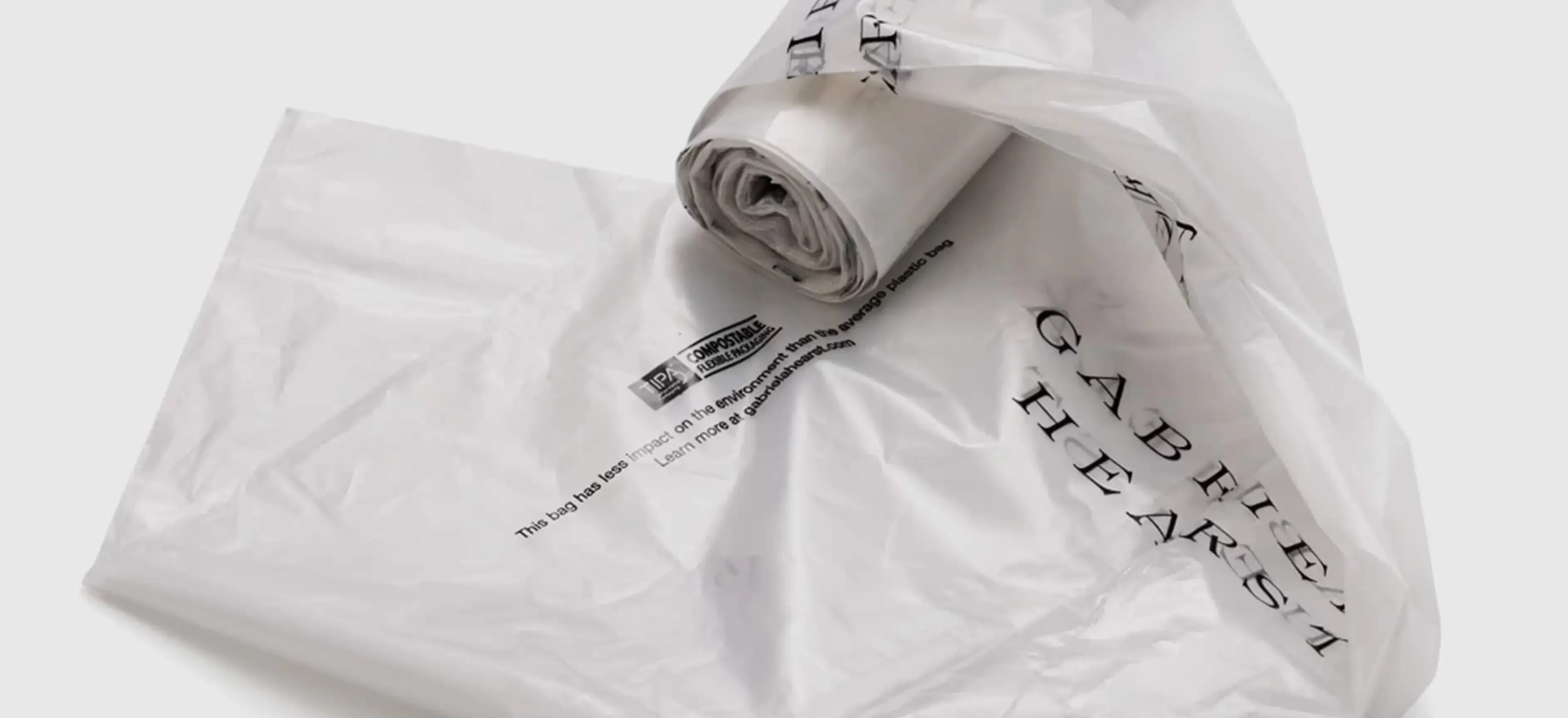
Part of Gabriela Hearst’s 2021 spring collection was produced by the Manos of Uruguay, and the fashion show to present it was certified carbon-neutral. Gabriela Hearst is using deadstock fabrics and repurposed materials for her collections, with the goal to completely eliminate the use of virgin materials by 2022. Another important step towards full sustainability in the brand’s supply chain was the decision to use TIPA’s compostable packaging for its garments.
Mara Hoffman is another socially conscious designer who is trying to bring more sustainability into the fashion scene. In 2015 she embraced the sustainability ethos and has since made tremendous progress as an environmentally conscious brand.
Mara Hoffman uses a high amount of eco-friendly materials, including recycled, natural and organic fibers; no furs, feathers, or leather. She also limits the amount of water and chemicals used in the production process.
Her brand is also challenging the way the garments are typically sold and delivered to customers: Mara Hoffman has switched to direct-to-consumer model, and her products are being delivered in TIPA’s compostable packaging. Both the garments and the packaging can be brought back to ensure sustainable end-of-life.
High-fashion brands are not the only ones striving to be sustainable. A young Portuguese fashion brand ISTO manufactures affordable luxury essentials that are produced from sustainable organic materials. The brand manufactures locally to reduce its carbon footprint and limits the amount of chemicals, water and wastewater used in their production.
ISTO does not release seasonal collections but opts to focus on a single permanent collection line – quality apparel that is designed to last. The brand is transparent regarding its production locations and costs: the company’s website offers cost transparency of each manufacturing component, from buttons to labor and even transport.
For brands selling into the European market, the PPWR’s new packaging requirements, including minimum recycled content targets for plastic packaging, are further accelerating the search for alternative packaging solutions that support broader sustainability objectives.
US EPR laws are reshaping fashion packaging
Across the United States, packaging regulation is shifting from voluntary sustainability initiatives toward mandatory producer responsibility. Extended Producer Responsibility (EPR) programs are increasingly requiring brands to take financial responsibility for the collection, sorting, recycling, and disposal of the packaging they place on the market.
California is leading this transition through SB 54, one of the country’s most comprehensive packaging EPR laws. The state has also expanded the conversation beyond packaging through the Responsible Textile Recovery Act (SB 707), signed in 2024. The legislation establishes the first statewide EPR framework specifically for apparel, footwear, and textiles, requiring producers to support the collection and responsible management of products at end of life.
Colorado has also implemented a packaging EPR program, creating new obligations for producers selling packaged goods into the state. At the same time, other major markets are moving in a similar direction. Both New York and Washington have introduced textile EPR legislation, signaling growing momentum toward producer accountability across the fashion industry.
For brands, these developments represent more than a sustainability trend. EPR programs increasingly shift end-of-life costs from municipalities to producers, creating financial and operational incentives to reduce waste and improve material choices throughout the supply chain. In jurisdictions such as California, penalties for non-compliance can reach up to $50,000 per day, further increasing the importance of proactive packaging and product stewardship strategies. As regulations continue to evolve, packaging decisions are becoming part of a broader compliance strategy rather than solely a sustainability initiative.
This shift is encouraging brands to evaluate packaging materials through the lens of end-of-life impact. Certified compostable packaging offers one potential pathway by helping reduce reliance on conventional plastics and supporting waste management systems designed to divert materials from landfill.
What brands are getting right (and wrong)
It is often the environmentally conscious consumers that demand more accountability from fashion brands, encouraging them to adopt a more sustainable ethos to go towards green fashion. This trend became especially visible during the Covid-19 crisis, with two thirds of the surveyed European consumers stating that it has become increasingly important for them to minimize the impacts on climate change. Furthermore, more than half of them made significant changes to their lifestyles, becoming more environmentally friendly.
Fashion brands who cater to a growing number of eco-friendly clients are undergoing transition as well. While many are genuinely aiming to become more sustainable, others may try to seem greener by presenting partial information and using buzzwords such as “eco-friendly”, or “sustainably-made”, without backing them with numbers or facts. This well-known phenomenon is called greenwashing.
How to evaluate whether a brand is actually sustainable
There are lots of ways to track the actual environmental progress of your beloved brands, from checking international standards and certifications, to third party evaluations, such as the Fashion Transparency Index or Good on You eco rating. And yet, even brands that receive high ratings and sustainability awards, such as Mara Hoffman, tend to acknowledge that the road towards sustainability is long.
As EPR programs expand across the United States and packaging regulations tighten in the European Union, packaging decisions are becoming not only an environmental consideration but also a growing compliance requirement for fashion brands.
There is always room for improvements by adopting cruelty-free and environmentally friendly materials, switching to compostable packaging, auditing the supply chain to ensure there is no labor abuse, and simply producing less. While full sustainability may seem an unreachable goal at first, small steps can and will lead us there. As consumers, we should be supportive of brands that are transparent about their current labor practices and future sustainable goals. In fast fashion, transparency is often the first step towards sustainability.
TIPA’s compostable pre-made packaging is now available in a stock offering for low quantities. Order your compostable packaging now!
This article was originally published by TIPA.

Related News
-
Supplier News
TIPA: What to expect at Pack Expo International 2026
-
Supplier News
IMPEPACK strengthens premium tea packaging with TIPA compostable solutions
-
Supplier News
TIPA: Compostable vs. biodegradable tea packaging – what’s the difference?
-
Supplier News
Pawniolo Pets and TIPA: Packaging that gives back to the land
-
Supplier News
TIPA: Alpine Fresh – A bold step toward the future of packaging
Latest Packaging News

Hidden Valley Ranch launches glow-in-the-dark bottle for Halloween
Hidden Valley Ranch has introduced a limited-edition glow-in-the-dark bottle as part of its first...
Lantech launches SL400AMR integrated stretch wrapper globally
Lantech, the global leader in stretch wrapping technology since 1972, announces the global launch...
Kärcher adopts digitally printed brown paper packaging for new product launch
Mondi has developed a digital print packaging solution on brown paper to support the market launch...
Exchange for Change’s Julian Hunt discusses preparations for UK DRS
The UK's Deposit Return Scheme is moving rapidly from policy debate to operational reality. With...