NPP: The benefits of automating your pallet wrapping process
Supplier News
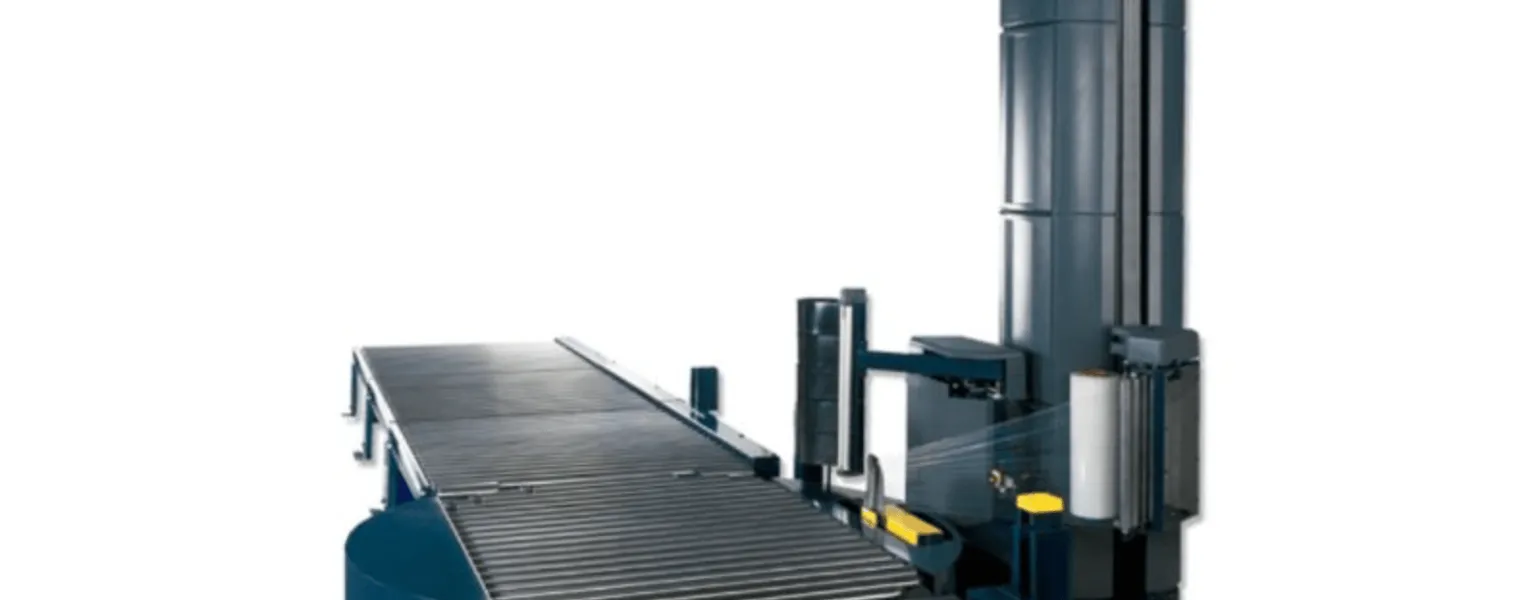
For warehouses and distribution centres, there are a number of options to help make your operation more efficient, productive, and profitable. One key option is automating your pallet wrapping process. Manually wrapping goods on pallets with stretch film can be a tedious, labour-intensive task that often yields inconsistent results. Switching to a pallet wrapper offers significant benefits, greatly enhancing productivity in busy warehouse environments. Let’s dive into more detail.
Consistency
A pallet wrapping machine guarantees consistent and uniform tension and coverage with every use. It eliminates the risk of loose corners and wasted film that can occur with manual wrapping. By providing reliable and secure wrapping, the machine ensures that pallet loads are always stabilized correctly for safe transportation. The increased speed of automated wrapping improves productivity and throughput.
Reduced film consumption
Automating the wrapping process with a pallet wrapper not only saves valuable time but can also reduce film wastage. By maintaining consistent tension, these machines ensure optimal use of wrapping material, leading to significant savings on film expenses over time. Machines with a powered film delivery can exert a greater stretch on the film than an individual can when handling it manually. This means more pallets wrapped per roll of film. Moreover, the precision and customization capabilities of these machines allow adjustments tailored to the specific requirements of each load, ensuring that material usage is always optimized.
Labour savings & productivity
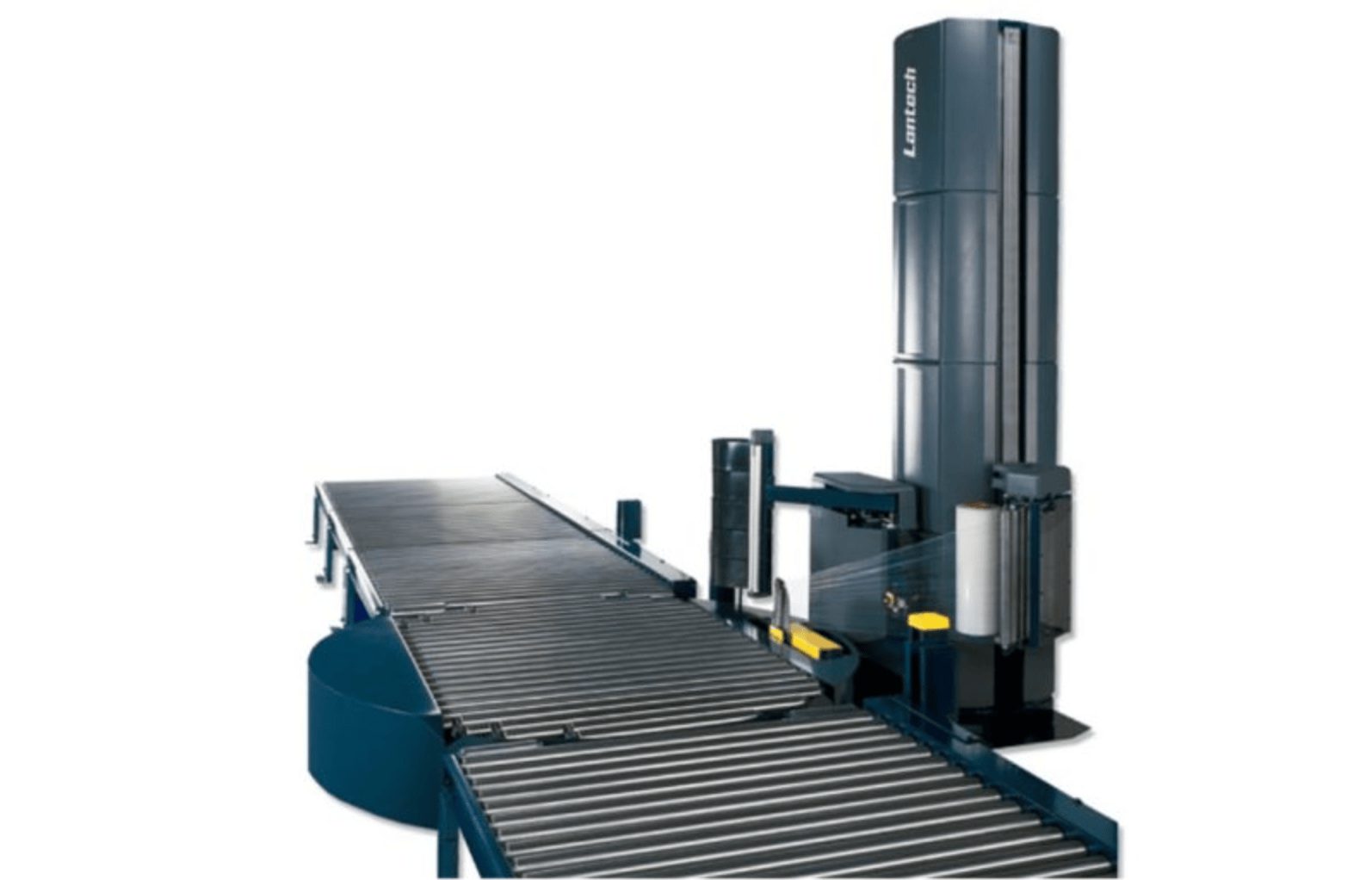
The introduction of pallet wrapping machines reduces the need for manual labour and enhances operational efficiency. Manual wrapping, which involves packaging products by hand, can be a labor-intensive task. Pallet wrappers require minimal human intervention and will allow your employee’s to put their saved time and energy toward maximizing other business processes. They also speed up the wrapping process which is essential in fast-paced warehouses with tight shipping deadlines.
Operator health and safety
Using automated stretch wrappers enhances safety in your wrapping areas by reducing the physical strain and hazards associated with manual pallet wrapping. Manually wrapping a pallet, particularly if it is heavy or irregularly shaped, can be physically taxing and lead to injuries such as back strain. In addition to improving worker safety, pallet wrappers also ensure more secure loads with every wrap.
Automating your pallet wrapping process boosts warehouse efficiency, cuts costs, and enhances safety. Pallet wrappers provide consistent, reliable wrapping, reduce film waste, and lower labour needs, allowing your team to concentrate on other assignments. By minimizing manual handling and associated injuries, these systems improve worker safety and product security. In a fast-paced distribution environment, automating wrapping is a smart investment for streamlined operations and greater success.
Contact NPP today for a professional evaluation of your stretch wrapper needs and requirements.
This article was originally published by NPP.

Related News
-
Supplier News
NPP: A guide to flexible packaging pouches
-
Supplier News
NPP: When to automate cup and pot filling in your production line
-
Supplier News
NPP: what is stretch wrapping?
-
Supplier News
NPP announced as one of Ireland’s Best Managed Companies 2025
-
Supplier News
NPP: A guide to pallet wrap machine maintenance
Latest Packaging News

OMAG: Packaging for nutraceuticals – greater flexibility, less waste
Designing the right format means improving productivity, sustainability and the final user...
Coca-Cola, Nestlé and Danone agree to revise recycling claims on plastic bottle labels
Coca-Cola, Nestlé and Danone have agreed to amend recycling claims displayed on their plastic...
Students develop recyclable curry and rice packaging for Pho
Two students from Sheffield Hallam University have won Deliveroo's 2026 Sustainable Packaging...
Hormel introduces portioned bacon packaging to reduce food waste
Hormel has introduced a new packaging format for its BLACK LABEL Original Bacon range, designed to...