Polypropylene cups receive 'Widely Recyclable' status in the US

Business
Polypropylene cups used for cold takeaway beverages have been granted a Widely Recyclable designation, expanding access to curbside and drop-off recycling for a majority of households across the United States. The designation means that more than 60 per cent of US households are now able to recycle these cups through existing collection programmes.
The classification has been issued by How2Recycle, following collaboration between industry groups, retailers, brands and waste management providers. Partners involved include the NextGen Consortium, managed by Closed Loop Partners’ Center for the Circular Economy, The Recycling Partnership, Starbucks and WM.
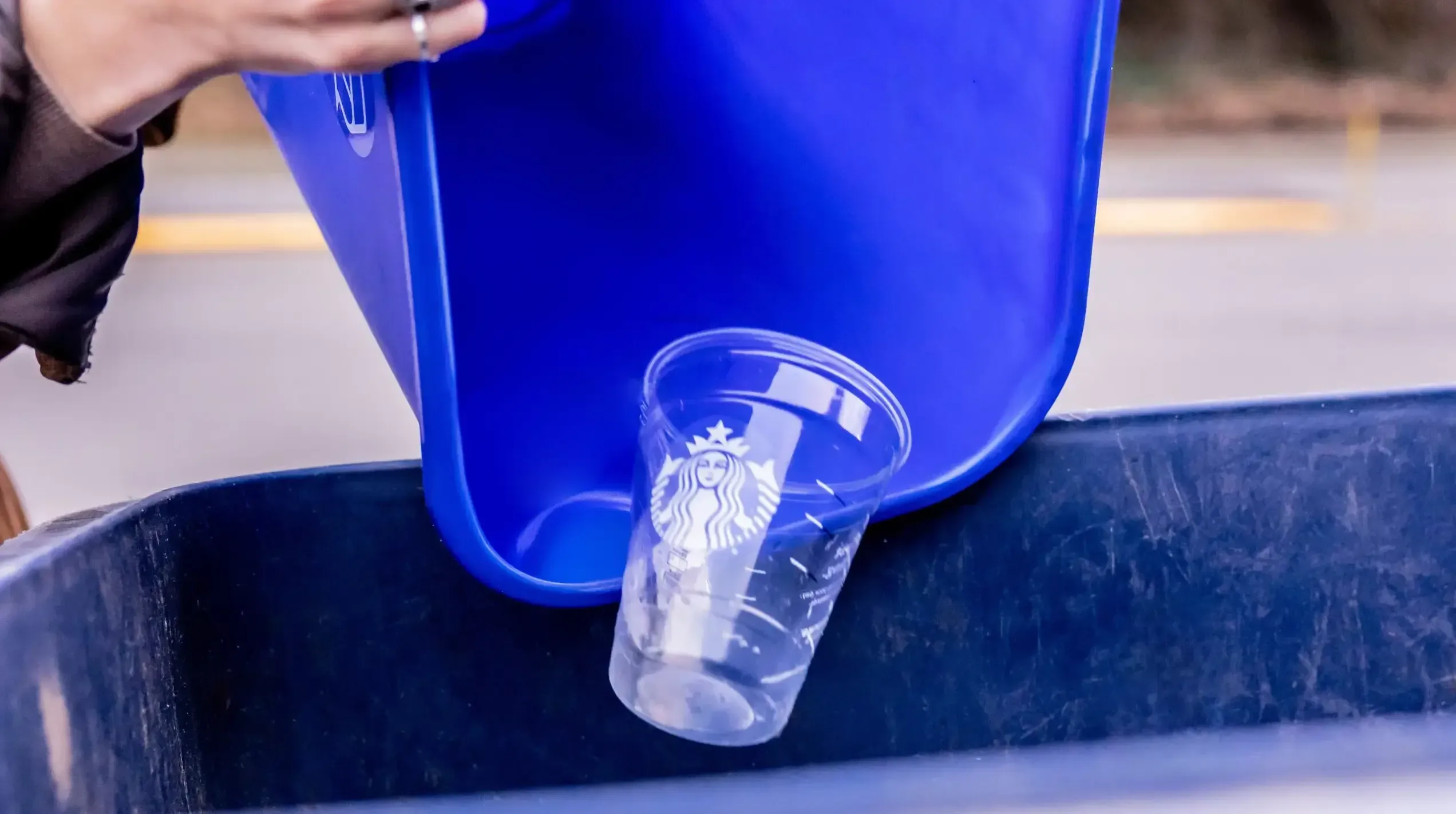
Polypropylene cups are commonly used for iced drinks and other cold beverages. The Widely Recyclable designation indicates that the material is accepted by recycling programmes serving at least 60 per cent of households, either through curbside collection or local drop-off schemes. According to the organisations involved, this represents a significant expansion in recycling access for this packaging format.
Over the past four months, more than two million additional households have gained the ability to recycle polypropylene cold cups. Overall access has increased by more than ten per cent over recent years, reflecting ongoing efforts to improve collection infrastructure and material acceptance across US recycling systems.
The progress has been supported by coordinated action across the value chain, including packaging design, infrastructure investment, consumer guidance and end-market development. How2Recycle has applied its labelling standards to provide consistent disposal guidance, while industry coalitions have worked to expand processing capacity and improve data on recycling performance. Waste management providers have also played a role in developing sorting and reprocessing pathways to support broader acceptance of polypropylene cups.
Expanding access, improving infrastructure and strengthening consumer communications takes collaboration across the value chain. No single organisation can do this alone. The work we’re doing today has benefits beyond any single material. By investing in infrastructure and consumer-tested communications, we’re driving industry and behaviour change at scale.
Paul Nowak, executive director of GreenBlue.
Data from The Recycling Partnership’s State of Recycling Report indicates that US households generate similar volumes of polypropylene and high-density polyethylene packaging. However, polypropylene is currently recycled at a significantly lower rate. Improving collection and recovery of polypropylene materials is seen as an important step towards closing this gap.
Achieving the Widely Recyclable designation for polypropylene cups is a significant milestone. It reflects what’s possible when businesses, recyclers and communities work together to create solutions that can reduce waste and make recycling easier for customers who opt for to-go beverages. We’re committed to continuing our collective effort to build a circular system that can benefit people and the planet.
Marika McCauley Sine, chief sustainability officer at Starbucks.
Increasing the recyclability of cold cups is intended to reduce the volume of plastic sent to landfill or lost to the environment, while improving material quality and supporting the use of recycled content. The organisations involved have stated that reuse, recycling and improved packaging design will continue to play complementary roles in efforts to reduce waste and support more circular packaging systems.
Related News
-
Sustainability
City-scale reuse pilot set to launch in Ottawa in 2026
-
Sustainability
Synthetic compostable packaging excluded from USDA organic standards
-
Sustainability
California packaging EPR regulations face further delay as draft rules withdrawn for revision
-
Business
US Senate passes REUSE Act to study reuse and refill packaging
-
Sustainability
Borealis and Messe Düsseldorf conclude successful reusable cup pilot at K 2025
Advertisement

Latest Packaging News

Grated cheese goes pocket-sized with limited-edition clip-on packaging
Kraft Natural Cheese has introduced Pocket Parm™, a limited-edition miniature version of its grated...
Truly Grass Fed updates packaging in response to consumer preferences
Truly Grass Fed has introduced a refreshed packaging design across its dairy product range, with a...
Miron® introduces refreshed brand identity and website
A new digital experience brings protective glass packaging, expertise, and inspiration together...
Raft of new exhibitors completes the UKPackaging EXPO 2026 line-up
A surge of newly confirmed exhibitors has finalised the floor plan for the highly anticipated...