Plastic Free July: Two in three Brits concerned about plastics in food packaging

Business
As Plastic Free July challenges millions to reduce their consumption of single-use plastics, new research reveals growing public concern about the hidden plastics used to line paper and card food packaging.
Three in five UK adults (62%) are concerned about the impact of plastic on their health, rising to 67% when asked specifically about plastics in food packaging.
Microplastics are a particular concern for the public. Recent studies have shown that microplastics have been found throughout the human body, including in human tissues and blood.
There is also rising concern over the use of PFAS in food packaging. PFAS, or ‘forever chemicals’, are persistent chemicals that are used in industrial processes and consumer products.
National biomonitoring surveys have detected hundreds of synthetic chemicals, including PFAS, in people of all ages, including newborns exposed in utero, across the globe.
Ground-breaking developments from businesses such as Xampla eliminate the need for plastic coatings in food packaging.
Xampla’s world-first Morro™ materials are made from plants and are free from plastics, microplastics, and PFAS. Their flagship product range, Morro Coating, is currently in market across Europe with global brands such as Just Eat Takeaway.com.
Consumer demand for these new plastic-free materials is growing. Two-thirds of people (65%) say that, given two similar takeaway options, they would choose the one using plastic-free packaging.
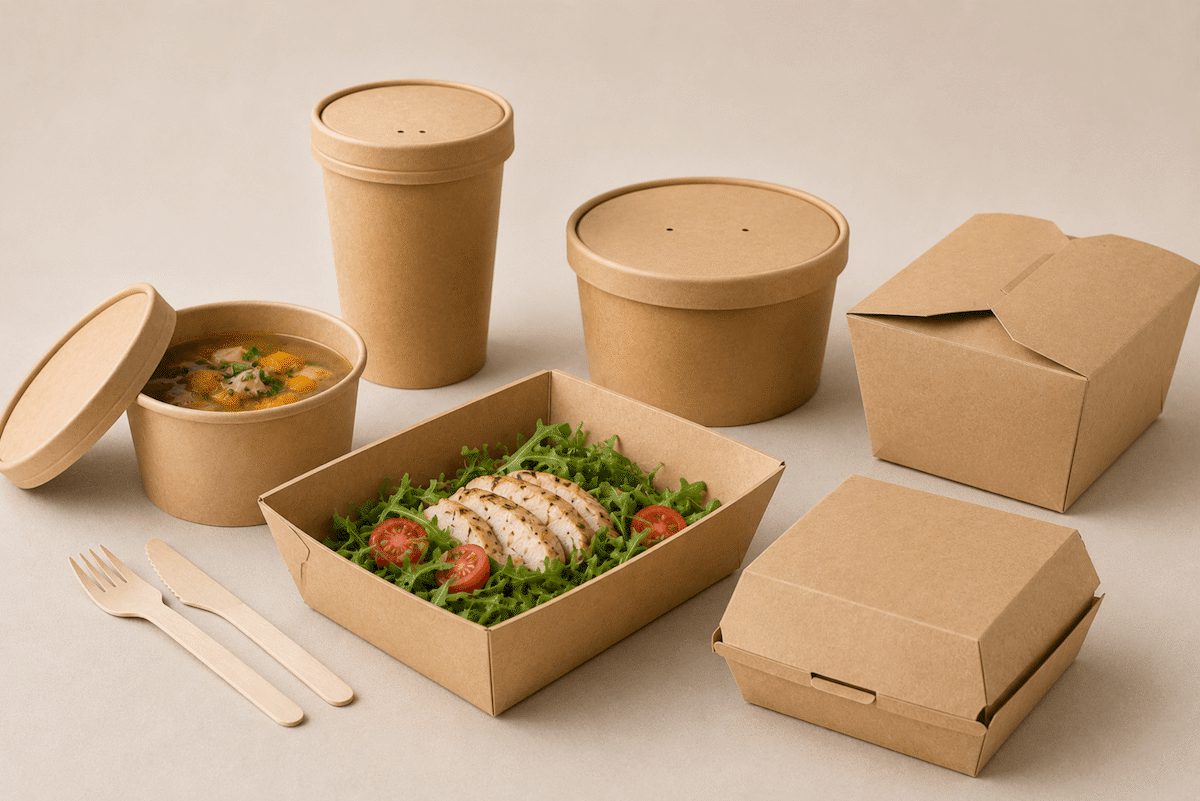
However, the problem is that these plastics are difficult for the public to spot. Half of Brits (49%) say they did not know many takeaway containers, like burger boxes and fry cartons, are plastic-lined at all.
Recent years have seen single-use plastic items such as straws and cutlery banned across the UK, with new EU regulations set to restrict the levels of PFAS allowed in food packaging.
Earlier this year, the Government published its first plan to assess the risks posed by PFAS. However, eight in ten people (78%) believe the Government should do more to reduce the amount of plastic in food packaging.
Increasing numbers of MPs have backed calls to ramp up the transition towards plastic-free packaging as emerging solutions are scaling to address health concerns.
Experts say plastic pollution could triple by 2060 if decisive action is not taken.
Plastic Free July is a moment when many of us try to cut plastic out of our daily lives. This research shows just how hard this can be when so much of it is hidden in the packaging we use every day.
People are understandably concerned about what this means for their health, yet too often we have no way of knowing it is even there.
Thankfully, plastic-free innovations such as Xampla’s plastic-free Morro™ materials offer high-performance alternatives, replacing plastic at scale to reduce packaging’s impact on our health.
The opportunity now for policymakers and industry is to take advantage of emerging plastic-free solutions, making it even easier for the public to make informed choices.
Alexandra French, CEO of materials innovator Xampla.
As scrutiny of plastic's impact on health continues, alternatives such as Morro Coating offer a practical route to plastic-free packaging that people can trust.
Related News
-
Sustainability
Three-quarters of Brits want plastic-free food packaging at major events
-
Sustainability
British MP backs calls to accelerate plastic-free materials innovation
-
Events
Plastic-free cups and compostable packaging at major cycling event in Sweden
-
Sustainability
Seaweed-based foodservice packaging rolled out across Imperial College London
-
Sustainability
New survey: more than half of UK adults shopping for fresh fruit and veg prefer loose over packaged
Latest Packaging News

Sovereign Labelling Machines seeks Technical Sales Engineer / Business Development Manager
Help shape the UK’s leading name in labelling and sleeving. Sovereign Labelling Machines is growing...
Lantech’s Random Case Sealer on display at Logistica Next
End-of-line packaging machinery manufacturer Lantech offers a range of innovative packaging systems...
What to expect at the 2026 Sustainable Packaging Summit
Less than one month out from the Sustainable Packaging Summit 2026, here’s a rundown on what...
Research reveals consumer preferences for wet pet food packaging
Amcor has launched new European research exploring the buying habits and packaging preferences of...