How AI helps Amazon reduce packaging waste

Business
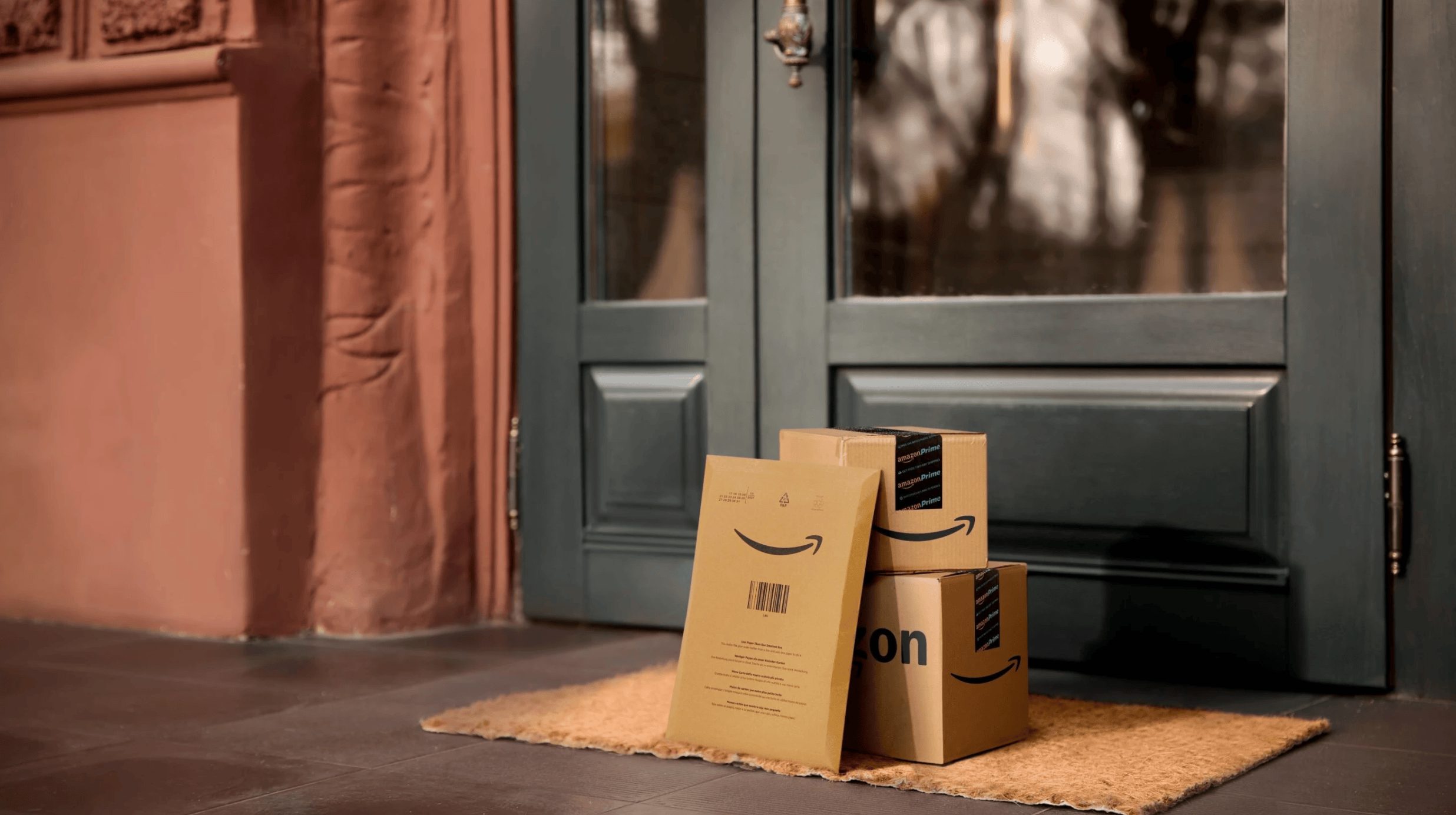
Amazon has introduced an AI-powered solution known as the Package Decision Engine to enhance packaging efficiency for customer orders. This cutting-edge technology is aimed at ensuring that purchases are shipped in the most appropriate packaging, thereby minimising waste and improving delivery processes.
Built on Amazon Web Services, the Package Decision Engine employs a sophisticated multistep process to analyse each item. Initially, products are scanned in a computer vision tunnel at Amazon’s fulfilment centres to determine dimensions, detect defects, and capture various angles, including identifying whether an item is already boxed or contains exposed glass.
Moreover, the AI model utilises natural language processing to extract text data such as product names, descriptions, prices, and packaging dimensions. It also incorporates near-real-time customer feedback from Amazon’s Online Returns Center, reviews, and other communication channels.
Combining deep machine learning, natural language processing, and computer vision, this multimodal AI model can predict when items, like blankets, require less protective packaging or when fragile goods, such as dinner plates, necessitate sturdier boxes.
Kayla Fenton, senior manager of technology products with Amazon’s Packaging Innovation team, said: We wanted the ability to quickly identify the most efficient packaging option for each item, while also predicting how safely each product would ship, which includes research scientists and technical program managers. The use of AI through the Package Decision Engine has allowed us to advance our packaging efficiency work at scale quickly, and it has worked so well that we’re implementing this technology across Amazon’s broader global footprint.
Before implementing AI, Amazon relied on manual testing to optimise packaging, a method that was reportedly not scalable.
Related News
-
Sustainability
Environmental concerns mount over Amazon's plastic packaging
-
Sustainability
Amazon: all European delivery packaging now 100% recyclable
-
Sustainability
Amazon: first U.S. automated fulfillment centre ditches plastic delivery packaging
-
Business
Amazon supports sellers in achieving packaging sustainability goals
-
Business
Oatly introduces bespoke packaging for Amazon orders in Europe
Advertisement

Latest Packaging News

YPS: Faster, lower cost packs for Amazon Liquids Seller of Rubio Monocoat
Rainbow Chalk Markers Ltd, the makers of Rubio Monocoat, a specialist wood oil product, have...
OMAG: Packaging for nutraceuticals – greater flexibility, less waste
Designing the right format means improving productivity, sustainability and the final user...
Coca-Cola, Nestlé and Danone agree to revise recycling claims on plastic bottle labels
Coca-Cola, Nestlé and Danone have agreed to amend recycling claims displayed on their plastic...
Students develop recyclable curry and rice packaging for Pho
Two students from Sheffield Hallam University have won Deliveroo's 2026 Sustainable Packaging...