Four common packaging mistakes that could increase pEPR fees

Business
Waste management company Bins.co.uk has highlighted four packaging considerations for producers following the publication of PackUK's Recyclability Assessment Methodology (RAM) guidance for 2027.
The guidance sets out how packaging recyclability will be assessed as part of the UK's extended producer responsibility for packaging (pEPR) system, with recyclability ratings influencing the fees paid by producers.
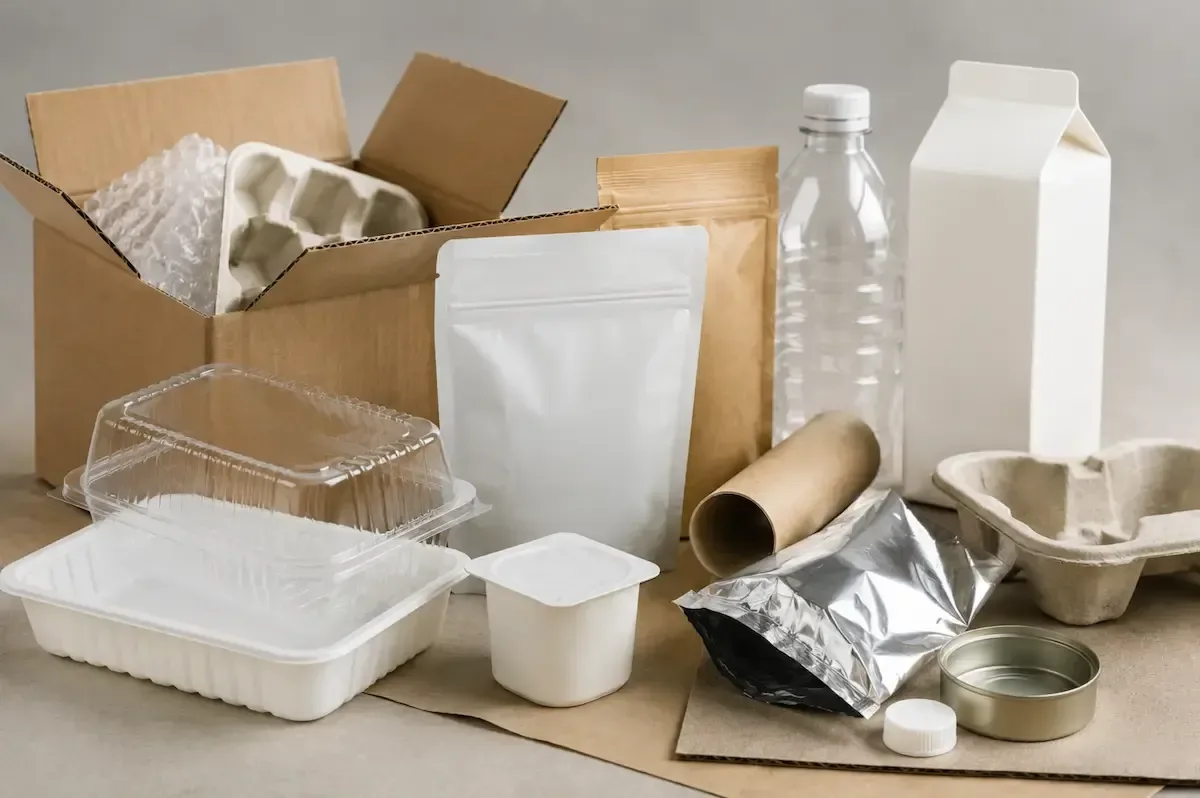
According to Bins.co.uk, material combinations, smaller packaging components and the availability of recyclability data are among the areas businesses should consider when reviewing their packaging.
1. Using difficult material combinations
While adding multiple different materials to packaging can help with branding, aesthetics, or simply keeping down costs, it can make a product harder to recycle. Layers and combinations of products can create barriers to sorting and processing of recycling which could impact pEPR ratings, and lead to an increase in fees. Therefore, it’s worth considering if a simpler packaging design could outweigh any benefits from a more complex approach.
2. Designing packaging that's technically recyclable, but not recyclable in practice or at scale
It’s common to assume that as long as your packaging is technically recyclable, your responsibility has been fulfilled. However, RAM ratings look at whether recyclability is possible in practice and at scale with the current UK operational potential. The guidelines look at every part of the recycling journey, even to the point of if recycled materials have a viable end use. Therefore, research must go beyond surface level recyclability claims and into what can realistically be collected and processed.
3. Using incompatible labels, sleeves, adhesives or inserts
Many producers may focus on the main packaging material and overlook smaller components that can also affect its recyclability. Labels, sleeves, adhesives and inserts can all influence how packaging behaves during the recycling process, depending on the material and packaging format. Producers should therefore consider the whole packaging system and whether these components could create problems during sorting or reprocessing
4. Not having the right packaging data to prove recyclability
Producers need to know exactly what materials and components are being used and have the technical information needed to assess how the packaging performs through the recycling process. This may mean collaborating more closely with suppliers to establish whether packaging meets the relevant criteria. Getting this information as early as possible can help producers identify potential issues before packaging reaches the market.
Bins.co.uk is a UK supplier of commercial waste bins, recycling containers and waste management equipment, providing solutions for businesses across a range of sectors. With nationwide delivery and waste management guidance, the company supports organisations in managing waste and improving recycling practices.
Related News
-
Business
PackUK publishes updated Recyclability Assessment Methodology for 2027
-
Sustainability
Packaging labelling under scrutiny as recycling confusion persists in the UK
-
Business
Defra data reveals 89% of packaging producers still use hard-to-recycle packaging
-
Business
British Glass calls for pEPR review following parliamentary debate
-
Business
British Glass urges government to pause pEPR fees amid industry concerns
Latest Packaging News

Alupro publishes independent econometric review of the UK PRN market
Alupro has released an in-depth econometric analysis of the Packaging Recovery Note (PRN) market,...
BERO reintroduces limited-edition Spider-Man beer cans
Non-alcoholic beer brand BERO has announced the return of its limited-edition Spider-Man-themed...
Conference programme to tackle sustainability, regulation and innovation at UKPackaging Expo
UKPackaging Expo will put insight, regulation and real-world best practice centre stage this...
PCR and PPWR: Be ready for the 2027 gardening season with PEKU Folien!
As one gardening season comes to an end, preparations for the next are already underway. Whether...