EPR rules could leave brands paying thousands more for cold-chain packaging

Business
Brands could be facing significant cost increases under the UK’s Extended Producer Responsibility (EPR) regulations, with cold-chain packaging emerging as a key area of impact, according to Hydropac.
While the new regulations are now in force, there remains considerable uncertainty across industry about who is affected and what businesses need to do.
In particular, many organisations are still unaware that they may now have reporting obligations under the expanded EPR framework, or that packaging material choices can have a direct impact on future compliance costs.
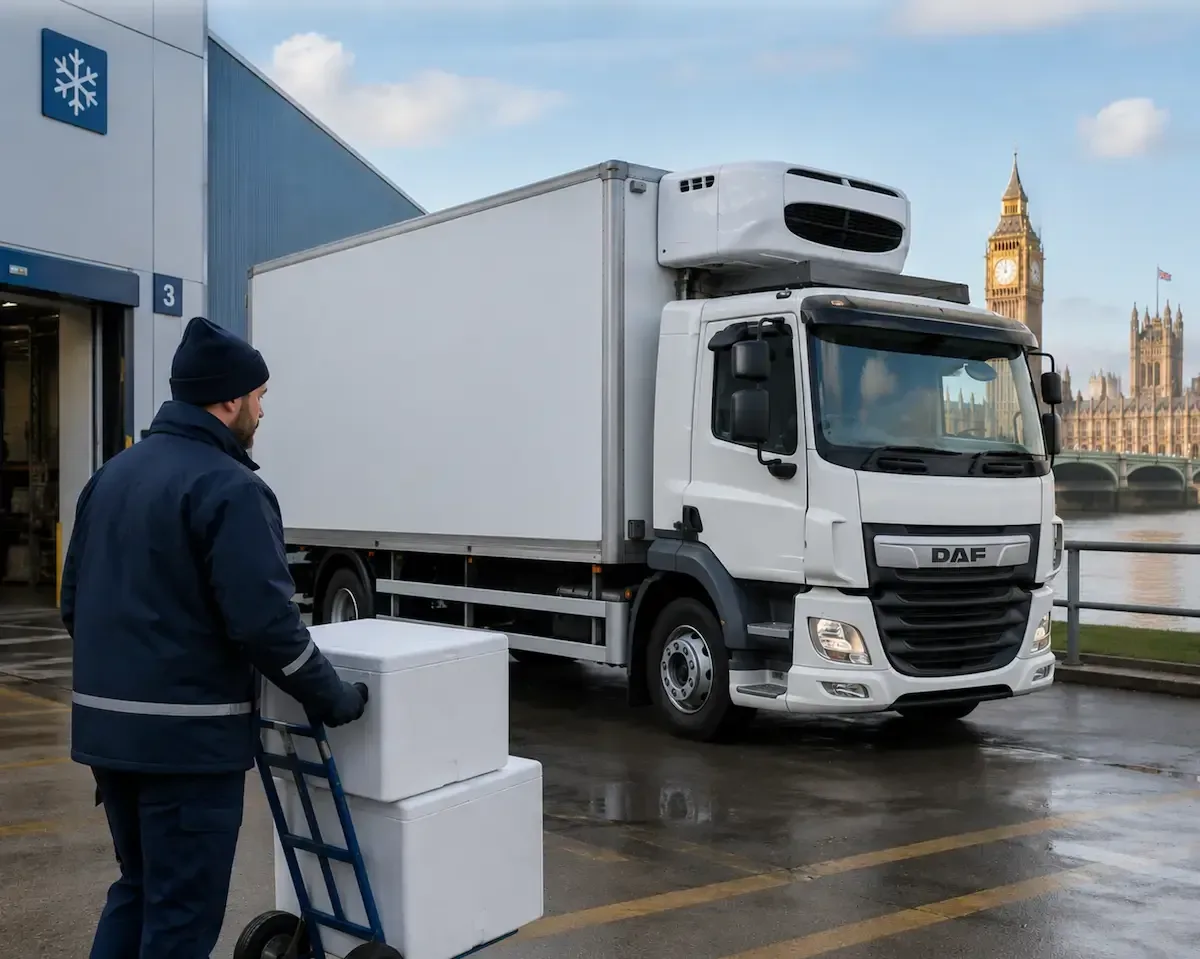
The new regulations
Under the UK's Extended Producer Responsibility (EPR) regulations, businesses classified as 'large producers' - those with annual turnover above £2 million and handling more than 50 tonnes of packaging each year - are required to report packaging data, meet recycling obligations and pay EPR waste disposal fees.
This ‘large producer’ threshold captures a growing number of manufacturers and direct-to-consumer brands as the frozen and chilled category continues to expand.
Under EPR regulations, these businesses may be required to fund the disposal of packaging that enters household waste streams. Crucially, the fees are based on the type and weight of material classified as packaging waste.
For pet food, food and bev and DTC brands operating at “large producer” scale, packaging choice is now a material cost driver, with a clear and measurable financial gap between gel and water-based ice packs.
What does this mean for brands?
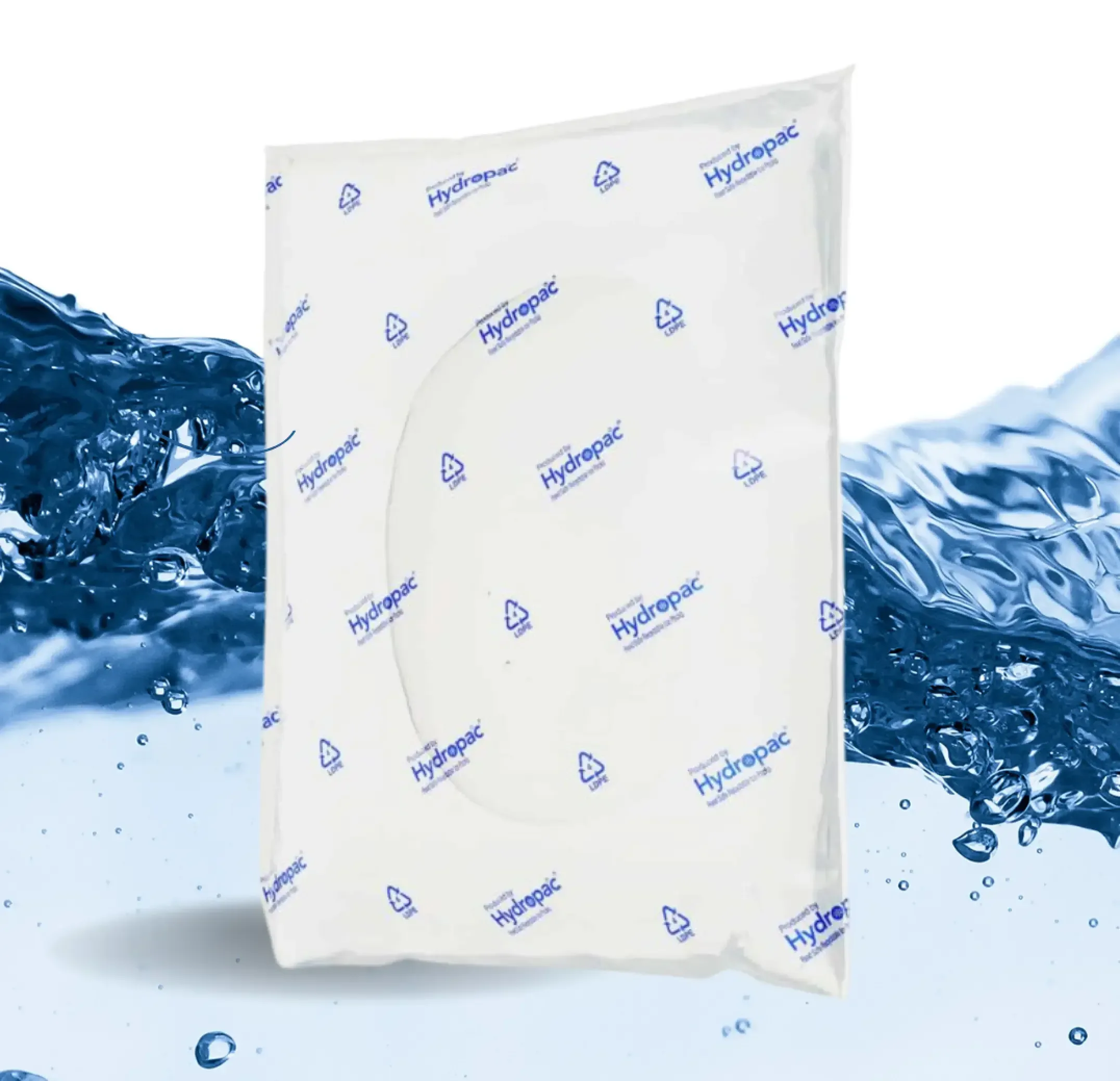
Hydropac analysis shows that with a water ice pack, only the thin outer plastic film is classed as packaging and subject to disposal fees, resulting in a cost of around 0.55p per 500g unit.
By contrast, with a gel ice pack, both the plastic outer layer and the full weight of the gel contents are classified as chargeable material under EPR. This results in a total cost of around 14.3p per 500g unit.
This means gel packs can carry an additional ~13.75p per unit in disposal-related fees compared to water-based alternatives. Unlike many other compliance costs, this is one businesses can actively influence through material selection.
When applied to packaging volumes typical of “large producers”, the cost impact becomes significant.
A business handling 50 tonnes of packaging annually could face around £13,750 in additional yearly costs when using gel ice packs compared to water-based alternatives. At 100 tonnes, this rises to approximately £27,500, increasing to £55,000 at 200 tonnes and over £137,000 at 500 tonnes.
What about smaller businesses?
Smaller businesses are also increasingly within scope. Organisations with annual turnover above £1 million and handling more than 25 tonnes of packaging must now register and report packaging data annually, even though they are not currently liable for full EPR waste disposal fees.
This means businesses that previously assumed EPR did not apply to them may now have reporting obligations. As those businesses grow and move into the "large producer" category, understanding the financial implications of packaging choices becomes increasingly important.
Hydropac believes the regulations represent a significant shift in how packaging decisions are evaluated, moving sustainability from a purely environmental consideration to one with direct commercial consequences.
For years, we’ve been advocating for simpler, more sustainable cooling solutions, not just from an environmental standpoint, but because they make practical sense. What's changed is that EPR now puts a real financial value on those material choices. Businesses are no longer choosing packaging purely on performance, they're also choosing it on lifetime cost.
With gel packs, you’re paying to dispose of the entire contents as well as the plastic. With water packs, it’s just the outer film. That’s the fundamental difference, and it’s now directly reflected in the numbers.
One of the biggest challenges we've seen isn't necessarily the legislation itself, it's the uncertainty surrounding it. We've spoken to businesses that genuinely don't know whether EPR applies to them, whether they're required to report, or what impact their packaging choices will have on future costs.
The expansion of reporting requirements means many more companies are now within scope, even if they're not yet paying full EPR fees. That makes this the ideal time for businesses to understand their obligations before those costs become a reality.
Colin Rowland, Managing Director at Hydropac.
Future impact
Hydropac believes the changes will drive greater scrutiny of packaging choices across the sector.
As the market adjusts, we expect businesses to look much more closely at both cost and compliance. There’s also a wider point around making sure supply chains are aligned with EPR requirements, because ultimately, accountability sits with producers.
What’s clear is that the commercial case for water-based solutions has never been stronger. For many brands, switching is one of the simplest ways to reduce both cost and regulatory exposure.
As frozen and chilled categories continue to grow, Hydropac is encouraging manufacturers to review both their EPR obligations and their cold-chain packaging strategies as part of wider cost, compliance and sustainability planning.
Related News
-
Business
Amazon: Why small businesses struggle with EU packaging rules—and how to fix it
-
Supplier News
TPC: Packaging technology and EPR – Engineering the next generation of cost-efficient sustainable packaging
-
Business
British Glass urges government to pause pEPR fees amid industry concerns
-
Business
PPWR 2026: A practical roadmap for packaging compliance
-
Supplier News
Croxsons launches Rightweight® packaging solution to support sustainability initiatives and reduce EPR fees
Advertisement

Latest Packaging News

Grated cheese goes pocket-sized with limited-edition clip-on packaging
Kraft Natural Cheese has introduced Pocket Parm™, a limited-edition miniature version of its grated...
Truly Grass Fed updates packaging in response to consumer preferences
Truly Grass Fed has introduced a refreshed packaging design across its dairy product range, with a...
Miron® introduces refreshed brand identity and website
A new digital experience brings protective glass packaging, expertise, and inspiration together...
Raft of new exhibitors completes the UKPackaging EXPO 2026 line-up
A surge of newly confirmed exhibitors has finalised the floor plan for the highly anticipated...