Toronto Zoo introduces "Friendlier" reusable packaging

Sustainability
The Toronto Zoo and Compass Group Canada have joined forces to introduce "Friendlier," an innovative reusable packaging solution aimed at reducing the environmental impact of single-use plastics.
Aligned with the Toronto Zoo's TZNet0 environmental sustainability commitment and Compass Group Canada's Planet Promise, which aims for Net Zero Greenhouse Gas (GHG) emissions globally by 2050, this initiative launches at the Zoo's Africa restaurant, with plans for expansion across other park dining spots.
"Friendly" packaging, crafted from durable plastic with 24% fewer GHGs, ushers in a holistic packaging approach, replacing disposable items with reusable containers for meals. This collaborative effort emphasises the positive effects of eliminating single-use plastics, encouraging visitors to actively participate in waste reduction and environmental awareness. Given that the Toronto Zoo serves over 131,000 meals annually, the potential impact is substantial.
Guests will encounter tailored "Friendlier" signage, showcasing the partnership's commitment, accompanied by educational resources outlining the entire lifecycle – from initial use to cleaning and reintegration. The adoption of "Friendlier" containers involves a $0.50 deposit, allowing customers to reclaim the deposit via the Friendlier app or direct it toward the Toronto Zoo Wildlife Conservancy for wildlife support.
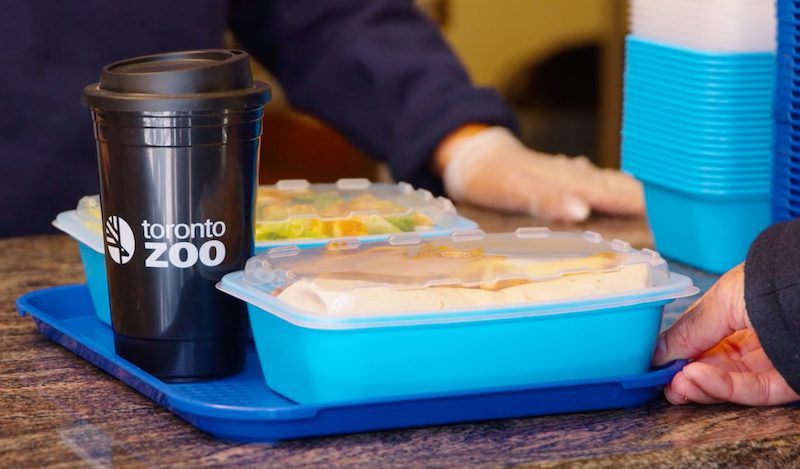
Both the Toronto Zoo and Compass Group Canada are committed to environmental progress, pursuing ambitious sustainability targets. The Zoo aims for 100% waste diversion by 2027, while Compass Group's Planet Promise strives for Net Zero GHG emissions globally by 2050, targeting a 46% reduction in scope 1 and 2 emissions by 2030. With the introduction of "Friendlier" circular reusable packaging, visitors can savour their meals with a sense of contribution to a greener future.
Jennifer Lambert, director of sustainability at Compass Group Canada, said: We are thrilled to bring our Friendlier packaging partnership to The Toronto Zoo. The reduction of single–use plastics has a direct impact on the incredibly important wildlife conservation efforts by the Toronto Zoo, as well as our journey to Net Zero – which truly make this such a natural partnership. As the food service partner at the Toronto Zoo for the past 20+ years, we take our responsibility to the community and animals seriously. We are excited to share this innovative opportunity with such valued partners and offer a sustainable and convenient solution –to help us all achieve our mutual environmental goals.
Related News
-
Sustainability
Uber Eats launches sustainable packaging pilot in Toronto and Vancouver
-
Sustainability
New study exposes widespread presence of toxic 'forever chemicals' in Canadian fast food packaging
-
Sustainability
Canada invests CAD$8.2m in 'green' food packaging companies to combat plastic waste
-
Sustainability
Serving sustainability: Coca-Cola North America's push for reusable packaging
-
Sustainability
NYC mandates reusable food containers in fast-food establishments
Advertisement

Latest Packaging News

Hormel introduces portioned bacon packaging to reduce food waste
Hormel has introduced a new packaging format for its BLACK LABEL Original Bacon range, designed to...
Grated cheese goes pocket-sized with limited-edition clip-on packaging
Kraft Natural Cheese has introduced Pocket Parm™, a limited-edition miniature version of its grated...
Truly Grass Fed updates packaging in response to consumer preferences
Truly Grass Fed has introduced a refreshed packaging design across its dairy product range, with a...
Miron® introduces refreshed brand identity and website
A new digital experience brings protective glass packaging, expertise, and inspiration together...