Study reveals 51% of UK supermarket food is packaged in 'unnecessary plastic'
Sustainability
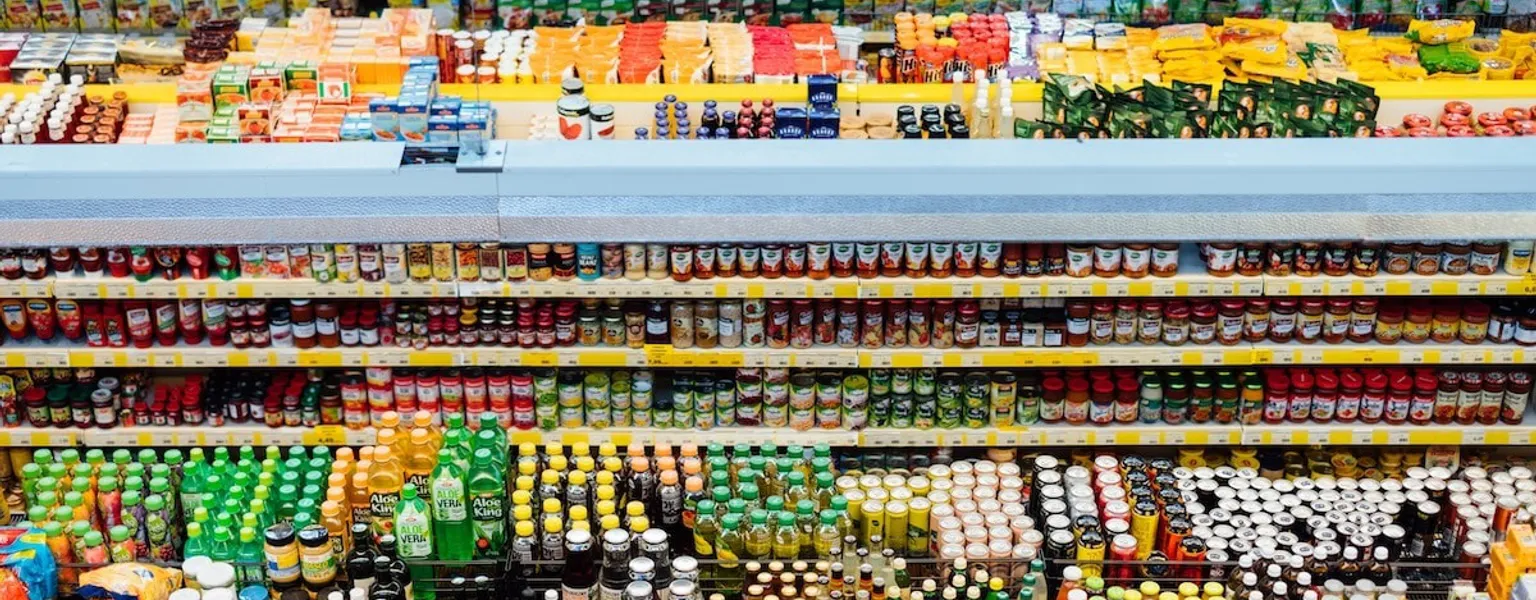
A recent study by Retail Economics, commissioned by DS Smith and conducted by the Material Change Index, has found that 51% of food and drink items in UK supermarkets are 'packaged in plastic deemed unnecessary or replaceable with safer alternatives'.
The study highlights that processed foods, including ready meals and meal kits (90%), bread, rice, and cereals (89%), dairy (83%), and meat and fish (80%), are the primary sources of plastic packaging in UK supermarkets.
As part of the research, a survey involving European food manufacturers and retailers revealed that 98% have set commitments to reduce plastic packaging. However, 25% reported that they are not on track to meet their targets within their timelines, with nearly 60% having two years or less to achieve their goals. Among the top challenges cited were the rising cost of raw materials (40%) and concerns over consumer acceptance of packaging changes (39%).
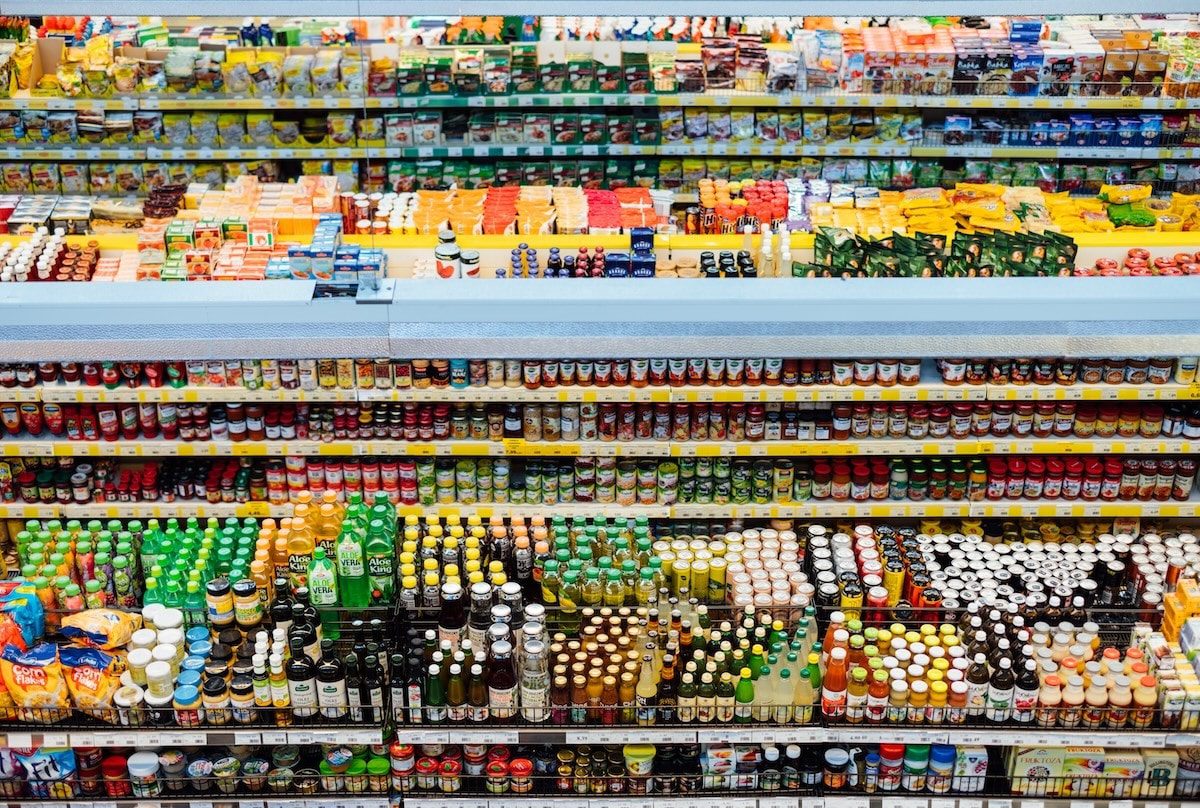
Many in the industry express concerns over consumer response to sustainable packaging, with 72% believing customers may not be willing to pay extra for eco-friendly options and 65% doubting that shoppers would sacrifice convenience.
Miles Roberts, Group Chief Executive, DS Smith, said: Good progress has been made but there is more to do. Government can and should demand more of us all - phasing out certain plastics to create a level playing field that encourages innovation, investment, and generates healthy competition to replace plastic.
The Material Change Index also conducted a cross-country analysis of packaging practices across supermarkets in the UK, France, Germany, Italy, Spain, and Poland. The findings indicate that UK supermarkets are the most reliant on plastic packaging, with 70% of food and drink items packaged in plastic, compared to 67% in Spain, 66% in both Italy and Germany, 62% in Poland, and 59% in France.
Related News
-
Sustainability
Aldi removes plastic windows and trays from popular savoury products
-
Sustainability
Sainsbury’s switches to card and paper packaging for bakery goods
-
Sustainability
Ocado pilots reusable packaging scheme for online shoppers
-
Sustainability
Waitrose to pilot ready meal trays made from household recycling materials
-
Sustainability
Aldi trials reduced packaging for fruits and vegetables
Latest Packaging News

Clean and dry, every time: How SUPER DRY helps protect premium egg quality
For high-quality egg suppliers, appearance matters. Even minor shell or quality defects can affect...
Rowlinson Packaging: The hidden cost of product damage and why industrial packaging matters
For many businesses, packaging is often viewed as a procurement decision focused primarily on cost....
Autopack: What is a sealing machine and how does it work?
A sealing machine closes packaging after a product has been filled or packed. Depending on the...
PHS: Automatic pallet wrapper – A practical assessment checklist
Could a faster wrapping machine slow the line down? An automatic pallet wrapper may have an...