Munich launches pilot scheme for reusable food containers

Sustainability
The City of Munich has introduced a new reusable food packaging initiative, ReMuc – “Ois im Kreis”, aimed at encouraging circular consumption and reducing waste in one of its busiest public spaces. The system is powered by Relevo by Duni, a digital platform majority-owned by the Duni Group, and is positioned as a practical demonstration of how reuse models can function at scale. The rollout comes as European businesses prepare for the EU Packaging and Packaging Waste Regulation (PPWR), which will take effect in August 2026.
Growing regulatory pressures and strengthened sustainability expectations are prompting the foodservice sector to explore packaging formats that support waste reduction. While reusable systems are gaining attention, industry stakeholders continue to highlight the importance of single-use solutions, particularly where hygiene, cost, or operational efficiency is a priority. Duni Group notes that its long-term vision is not to replace disposable items entirely, but to ensure that single-use and reusable formats coexist, with each applied where most appropriate. The company sees digital tools and system innovation as key to enabling this flexibility.
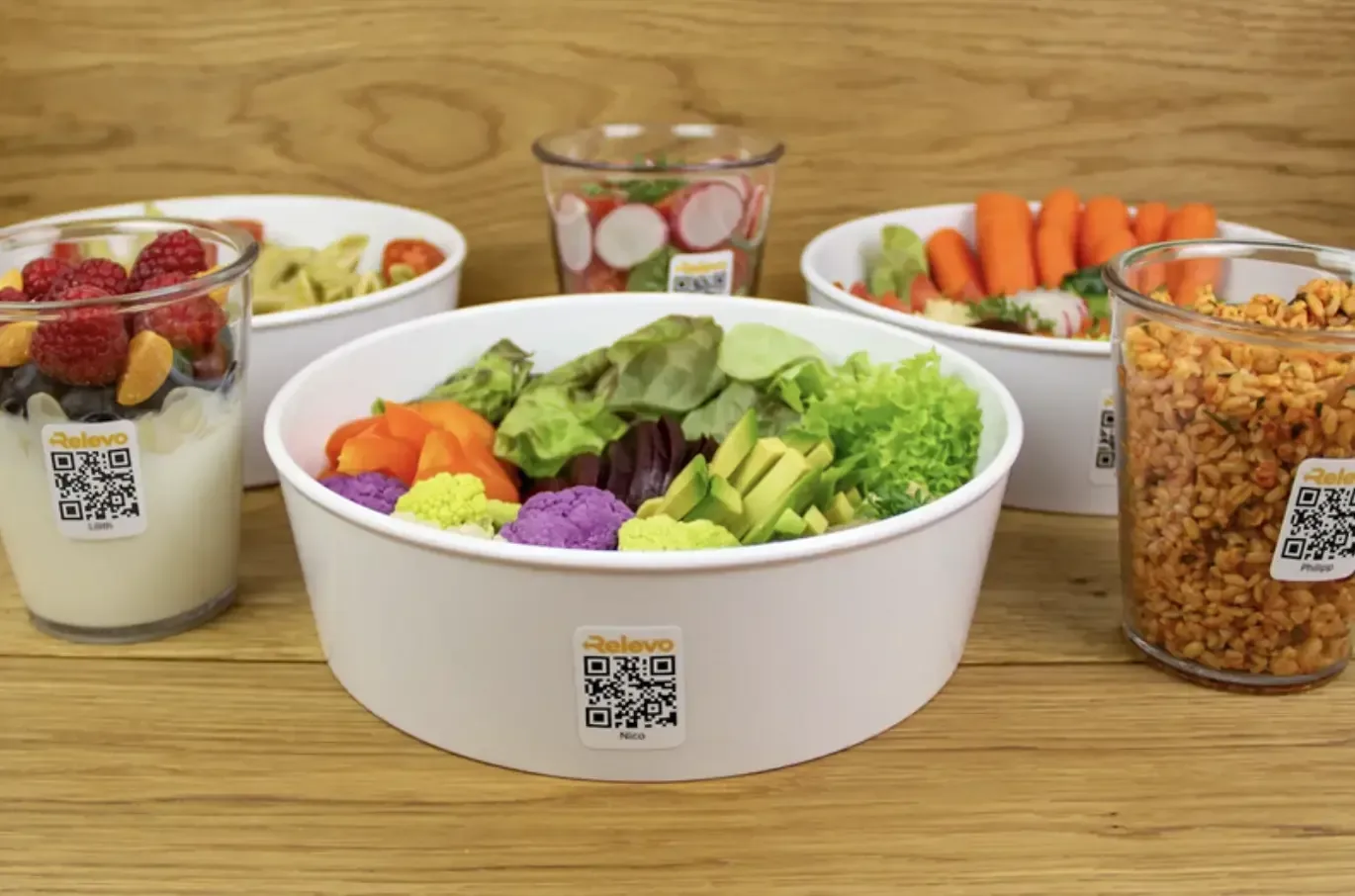
ReMuc has been established as a five-year pilot intended to make reuse straightforward for both consumers and vendors. Five automated return points will be installed at Viktualienmarkt, one of Munich’s most frequented food markets. Visitors will be able to purchase food and beverages in reusable containers, return them to any of the machines, and receive their deposit automatically. The project brings together several partners: Recup provides the containers, Circle Cube supplies the return technology, and Cup Company manages logistics and washing. Relevo by Duni oversees the digital infrastructure, handling deposits, returns, and traceability within a single platform. The scheme aims to reduce waste volumes, simplify operations for market vendors, and act as a template for wider urban reuse systems.
Single-use solutions have been the default for good reasons: flexibility, convenience, and hygiene. They will continue to matter. What ReMuc demonstrates is equally important: reuse can work at scale, in real life. Our hope is that this encourages more cities to pilot and adopt similar systems.
Nicklas Lauwell, Chief Officer, Food Packaging Solutions, Duni Group.
As PPWR implementation approaches, solutions that integrate usability, logistics and digital tracking are expected to become increasingly important. The Duni Group states that it will continue to invest in innovations that help foodservice operators adapt to regulatory changes while maintaining competitiveness.
Related News
-
Sustainability
New report exposes $540bn global food waste bill and highlights the role of packaging innovation
-
Events
The food and drink event no business can afford to miss
-
Sustainability
TOMRA unveils new automated collection point for reusable takeaway food packaging
-
Sustainability
Lisbon launches new citywide reusable cup system “CopoMais”
-
Business
Closing the loop: Driving circularity and collaboration in UK packaging
Advertisement

Latest Packaging News

OMAG: Packaging for nutraceuticals – greater flexibility, less waste
Designing the right format means improving productivity, sustainability and the final user...
Coca-Cola, Nestlé and Danone agree to revise recycling claims on plastic bottle labels
Coca-Cola, Nestlé and Danone have agreed to amend recycling claims displayed on their plastic...
Students develop recyclable curry and rice packaging for Pho
Two students from Sheffield Hallam University have won Deliveroo's 2026 Sustainable Packaging...
Hormel introduces portioned bacon packaging to reduce food waste
Hormel has introduced a new packaging format for its BLACK LABEL Original Bacon range, designed to...