Modified atmosphere packaging solution protects dragon fruit on long-haul journeys

Sustainability
StePacPPC has introduced a new modified atmosphere packaging solution designed to help maintain the quality of pitaya, commonly known as dragon fruit, during extended sea transport from Ecuador to key export markets including the United States and Europe.
The company has adapted its Xtend® modified atmosphere and modified humidity (MA/MH) bulk packaging films to meet the specific post-harvest requirements of the fruit. The aim is to support freshness, appearance and overall condition throughout journeys that can last three weeks or longer.
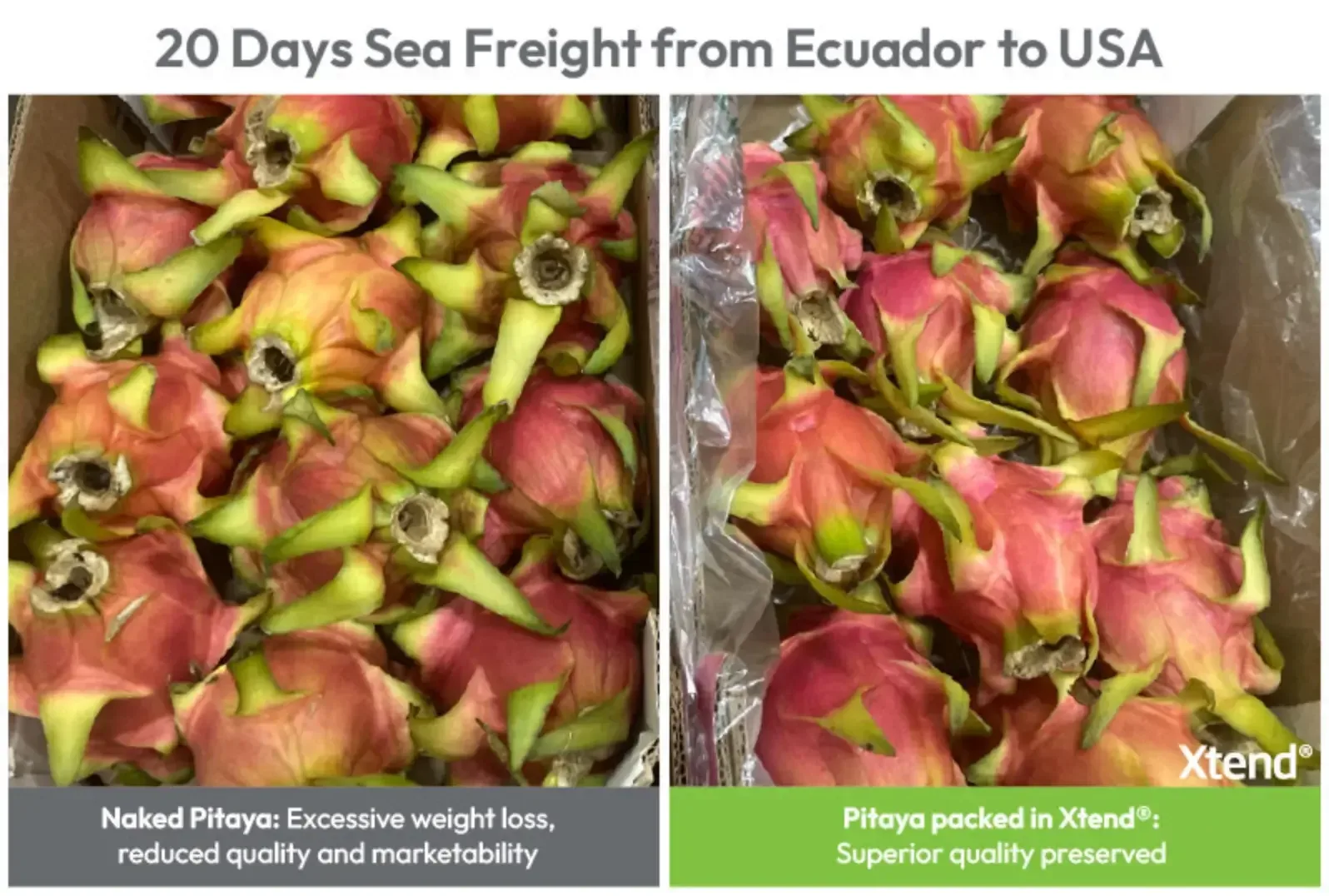
Native to Central and South America, pitaya is valued for its distinctive appearance, tropical flavour and nutritional profile. However, the fruit presents logistical challenges during long-distance shipment, as it is prone to moisture loss, high respiration rates and microbial spoilage soon after harvest.
According to StePacPPC, the newly developed packaging manages oxygen and carbon dioxide levels while regulating humidity within the pack. This approach is intended to slow respiration, reduce dehydration and limit the development of decay during storage and transport.
The company reports that the solution has been effective in preserving the fruit’s bright colour, glossy skin and firmness of the external bracts, which are widely regarded as indicators of freshness and quality but are susceptible to wilting when exposed to dehydration.
South American pitaya growers often struggle to reach distant markets with this high-demand delicacy. Even under optimal cold chain conditions, the long sea freight from Ecuador to North America and Europe takes its toll on the delicate fruit, resulting in weight loss, shrivelling of the skin and the bracts, a dulling of the characteristic brightly coloured peel, accompanied on occasion by microbial decay. These factors reduce the fruit's appeal and marketability by the time it arrives at its' destination. Most importantly, they negatively impact quality and freshness.
Gary Ward, Ph.D., CTO for StePacPPC.
Development of the specialised packaging film took more than three years and involved collaboration between StePacPPC’s global research and development teams and pitaya exporters. The process included on-site evaluations and ongoing adjustments to optimise post-harvest handling and packaging performance for the fruit during export.
Related News
-
Business
New packaging solution prevents waste and damage in long-haul fruit & veg exports
-
Sustainability
Retailer replaces plastic with cardboard punnets for Belgian strawberries
-
Supplier News
Tadbik’s Fresh Lid helps extend the shelf life of fresh produce
-
Sustainability
Makro uses 'Life Extending Stickers' to guide consumers towards less food waste
-
Supplier News
Ideal for bananas – the SB3 pallet box from Craemer
Advertisement

Latest Packaging News

Grated cheese goes pocket-sized with limited-edition clip-on packaging
Kraft Natural Cheese has introduced Pocket Parm™, a limited-edition miniature version of its grated...
Truly Grass Fed updates packaging in response to consumer preferences
Truly Grass Fed has introduced a refreshed packaging design across its dairy product range, with a...
Miron® introduces refreshed brand identity and website
A new digital experience brings protective glass packaging, expertise, and inspiration together...
Raft of new exhibitors completes the UKPackaging EXPO 2026 line-up
A surge of newly confirmed exhibitors has finalised the floor plan for the highly anticipated...