Bio-based PLA film offers packaging option for fresh herbs and cut flowers

Sustainability
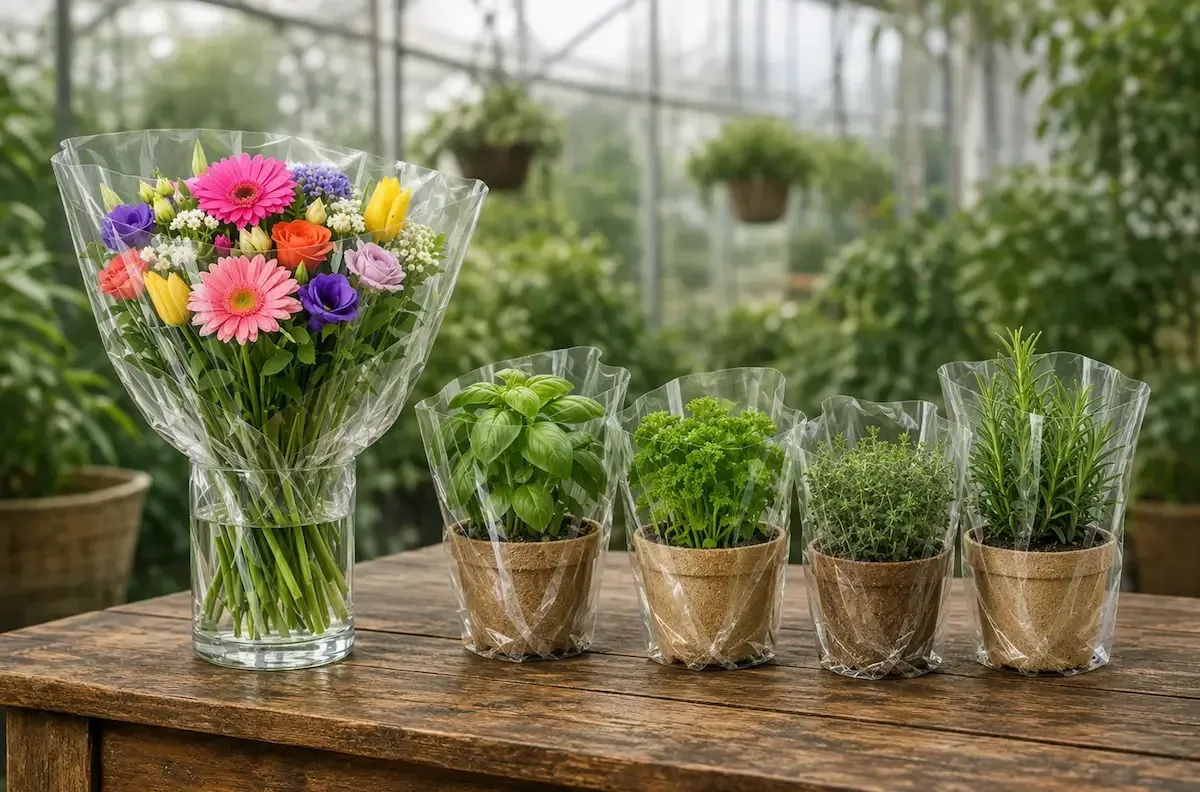
SÜDPACK has introduced its Planova® range of bio-based PLA films as a packaging option for fresh cut flowers, potted herbs and cut herbs, designed to provide product protection while maintaining visibility at the point of sale.
The company says the transparent, breathable and dimensionally stable film is particularly suited to the production of tapered conical sleeves commonly used in the horticultural and floristry sectors.
According to market forecasts cited by SÜDPACK from Kings Research, the global cut flower packaging market is expected to grow from approximately USD 6 billion to more than USD 8.5 billion over the next six years. In Germany, more than two-thirds of cut flowers are already sold in pre-packed bunches, primarily through supermarkets, garden centres and petrol stations. Demand for packaging used with fresh potted and cut herbs is also expected to increase, with food retailers and garden centres accounting for a significant share of sales.
The company notes that regulatory developments, including the forthcoming Packaging and Packaging Waste Regulation (PPWR), alongside growing concern over packaging waste, are encouraging manufacturers to explore alternative packaging materials ahead of new requirements due to take effect from 2030.
Planova films are manufactured from polylactic acid (PLA), a bio-based material produced from renewable feedstocks including sugarcane and corn starch. According to SÜDPACK, the material can help reduce reliance on fossil-based resources and is industrially compostable.
The films are available in thicknesses ranging from 15 to 100 microns and widths between 200mm and 2,300mm. For horticultural conical sleeves, SÜDPACK offers a 25-micron option, which it says provides dimensional stability while using a relatively thin film.
SÜDPACK says the material's gas permeability eliminates the need for microperforation, allowing moisture to escape and air to circulate around packaged products. The company states this can help reduce the risk of rot while maintaining product freshness. Unlike paper-based alternatives, the PLA film also retains its structure when exposed to water during storage or watering.
The company adds that the film's clarity and gloss are intended to enhance product presentation, while its printability enables branding, product identification and consumer information to be incorporated into the packaging.
Planova is positioned by SÜDPACK as a packaging solution for premium flowers and herbs, combining renewable raw materials with protective and presentation-focused properties.
Related News
-
Business
Royal FloraHolland launches reusable flower bucket for floriculture market
-
Supplier News
Lantech systems automate packaging of plants and flowers
-
Supplier News
Paramount Packaging Systems: 65% film reduction in field-based lettuce wrapping
-
Sustainability
Amazon pilots bio-based bags for grocery deliveries in Spain
-
Sustainability
The plastic pollution behind Valentine’s Day bouquets
Latest Packaging News

Hidden Valley Ranch launches glow-in-the-dark bottle for Halloween
Hidden Valley Ranch has introduced a limited-edition glow-in-the-dark bottle as part of its first...
Lantech launches SL400AMR integrated stretch wrapper globally
Lantech, the global leader in stretch wrapping technology since 1972, announces the global launch...
Kärcher adopts digitally printed brown paper packaging for new product launch
Mondi has developed a digital print packaging solution on brown paper to support the market launch...
Exchange for Change’s Julian Hunt discusses preparations for UK DRS
The UK's Deposit Return Scheme is moving rapidly from policy debate to operational reality. With...