Pharma Hygiene Products: Why automation? The benefits for the mixing process
Supplier News
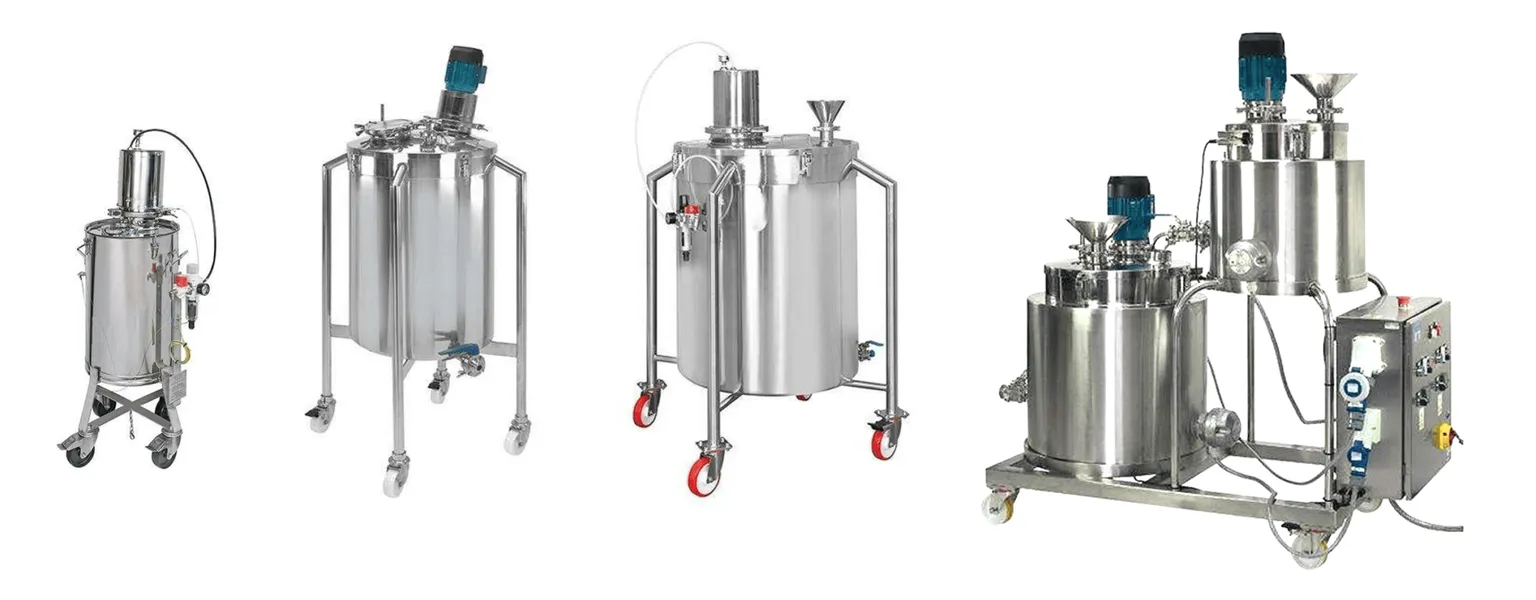
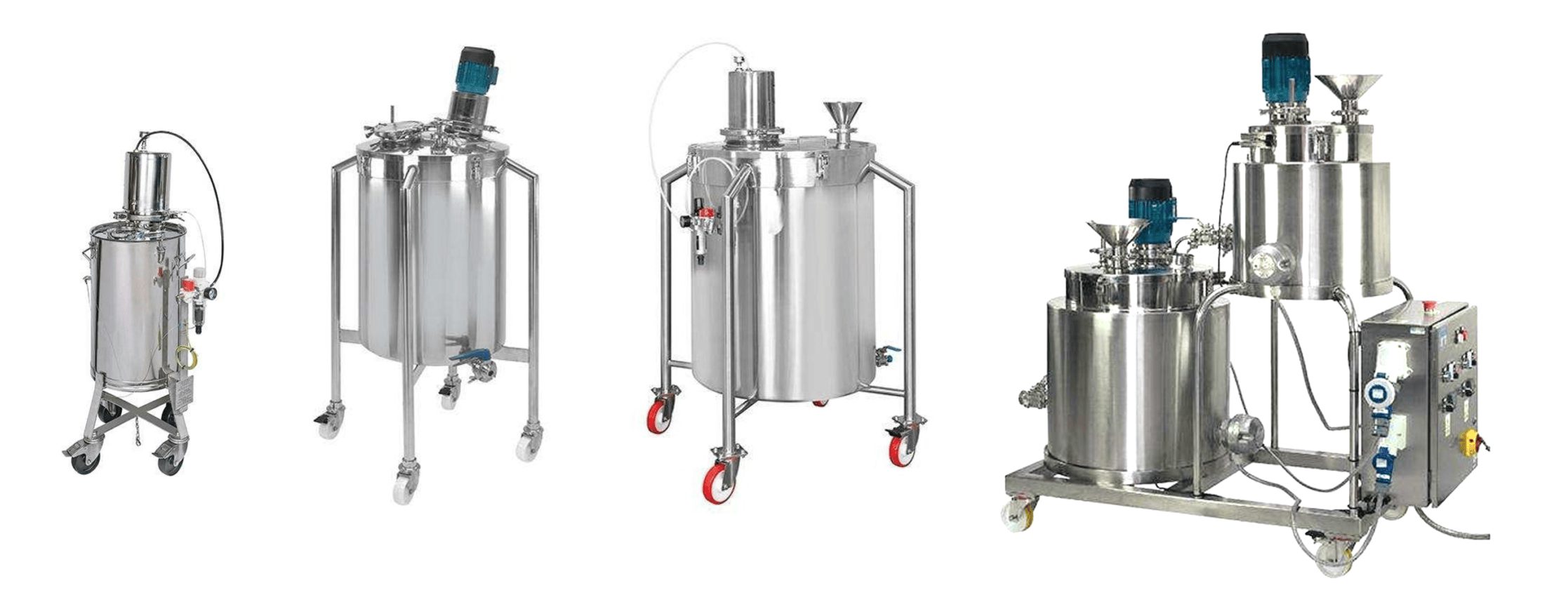
In the ever-evolving landscape of industrial and manufacturing processes, the integration of automation has emerged as a transformative force, revolutionizing the way we approach various tasks. One such area witnessing significant advancements is the mixing process. The adoption of automated mixing systems gives manufacturers across many industries benefits that can improve resource use and increase profitability potential.
From ensuring greater consistency and accuracy in product formulations, to enhancing overall efficiency and reducing operational costs, the advantages of automating the mixing process are numerous. In this era of heightened competitiveness and technological innovation, companies leveraging automated mixing not only guarantee a standardized and high-quality output, but also position themselves strategically to meet the demands of an ever-changing market.
Automating the mixing process can offer many benefits, including:
- Consistency: Automated mixing ensures a consistent product quality by precisely following predefined parameters, minimizing human errors and variations.
- Accuracy: Automation allows for precise control of ingredient quantities, leading to accurate formulations and reducing the chances of miscalculations.
- Efficiency: Automated mixing systems can operate 24/7 without breaks, significantly increasing the overall efficiency of the production process compared to manual mixing.
- Time Savings: Automated mixing processes are generally faster than manual methods, leading to reduced production times and quicker turnaround for products.
- Cost Reduction: While there might be an initial investment in automation equipment, it often leads to long-term cost savings by minimizing waste, reducing labor costs, and optimizing resource utilization.
- Safety: Automation eliminates or minimizes the need for workers to perform tasks in potentially hazardous environments, improving overall workplace safety.
- Traceability: Automated systems can record and track the mixing process parameters, providing comprehensive data for quality control, audits, and regulatory compliance.
- Flexibility: Automated mixing systems can be programmed to adapt to different recipes and formulations quickly, allowing for increased flexibility in production.
- Quality Control: Automation enables real-time monitoring and adjustment of the mixing process, ensuring that the final product consistently meets quality standards.
- Scaleability: Automated mixing processes can easily scale to meet increased production demands without significant adjustments, providing a scalable solution for growing businesses.
- Reduction in Human Fatigue: Automation reduces the physical strain on workers, minimizing the impact of repetitive tasks and reducing the likelihood of human errors due to fatigue.
- Improved Productivity: With consistent and efficient mixing, overall productivity is enhanced, leading to a higher output of products within the same timeframe.
- Energy Efficiency: Automated mixing systems can be optimized for energy efficiency, reducing overall energy consumption in the production process.
- Competitive Advantage: Companies adopting automated mixing processes may gain a competitive edge by delivering high-quality products with greater efficiency, potentially attracting more customers and market share.
Are you considering automating your own mixing process?
Browse our portfolio of solutions >>>
Hear from existing customers >>>
Or contact the friendly, experienced team at Pharma Hygiene Products for a no-obligation consultation today: +44(0)1444 472300 I info@pharmahygieneproducts.com
This article was originally published by Pharma Hygiene Products.

Related News
-
Supplier News
Adelphi shortlisted for two Automate UK Awards 2026
-
Supplier News
Adelphi team completes Yorkshire Three Peaks Challenge in support of Yorkshire Children's Charity
-
Supplier News
Adelphi supports regional communities through 2026 charity partnerships
-
Supplier News
Adelphi Manufacturing launches the new XYZ Distributor II
-
Supplier News
Adelphi’s Response Benchtop Filler helps Jinger Drinks scale production as demand soars
Latest Packaging News

Grated cheese goes pocket-sized with limited-edition clip-on packaging
Kraft Natural Cheese has introduced Pocket Parm™, a limited-edition miniature version of its grated...
Truly Grass Fed updates packaging in response to consumer preferences
Truly Grass Fed has introduced a refreshed packaging design across its dairy product range, with a...
Miron® introduces refreshed brand identity and website
A new digital experience brings protective glass packaging, expertise, and inspiration together...
Raft of new exhibitors completes the UKPackaging EXPO 2026 line-up
A surge of newly confirmed exhibitors has finalised the floor plan for the highly anticipated...