Paramount Packaging Systems: What to consider when reviewing pharmaceutical packaging systems
Supplier News
In the pharmaceutical industry, packaging is far more than just a container, it plays a critical role in protecting product integrity, ensuring patient safety and meeting strict regulatory requirements. Whether you’re packaging blister packs, diagnostic kits, sachets or medical devices, the right packaging system can directly impact efficiency, compliance and profitability.
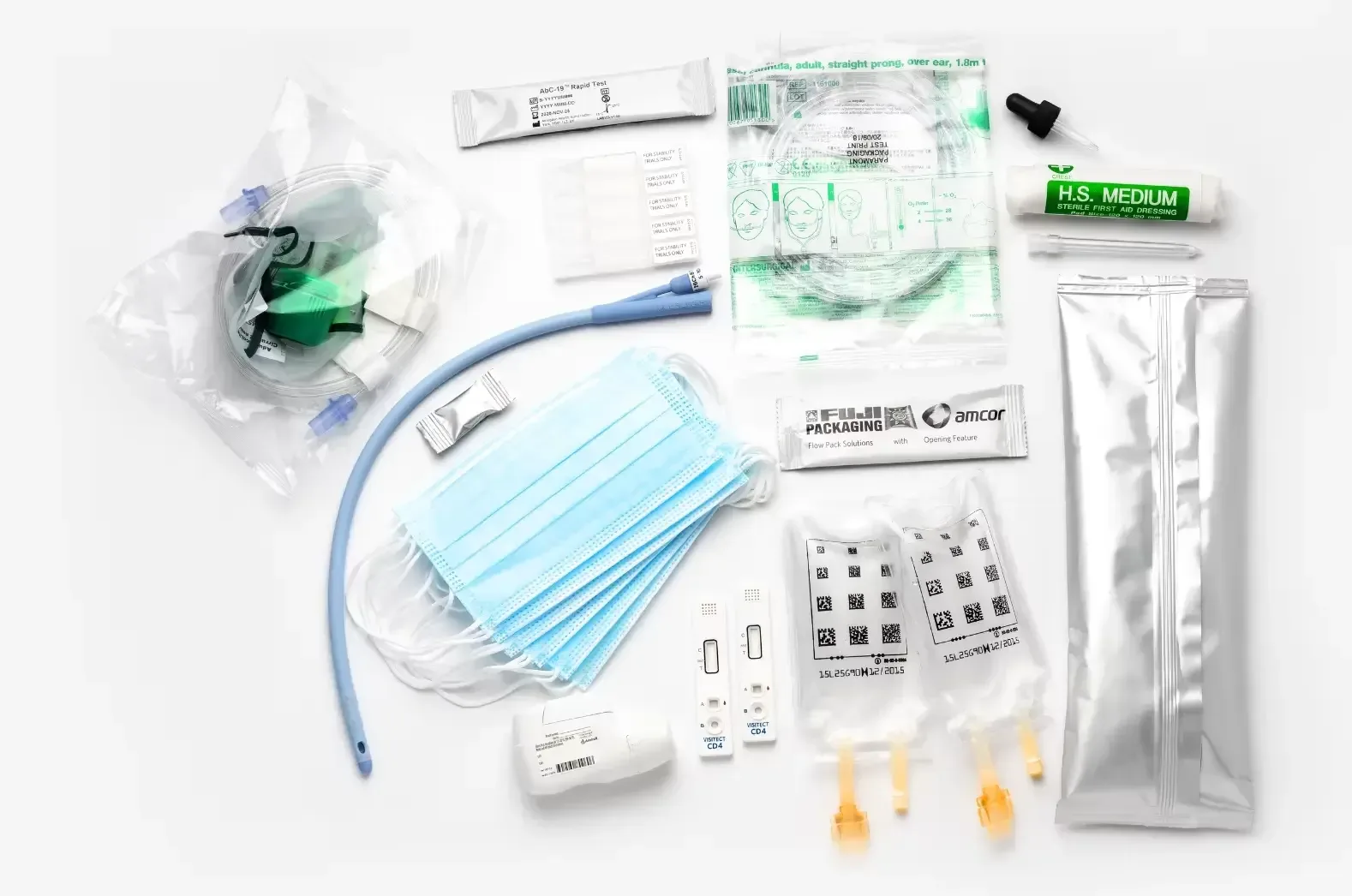
If you’re reviewing your pharmaceutical packaging processes, here are some of the most important factors to consider:
1. Speed and Consistency
Pharmaceutical manufacturing often requires high output to meet demand. Any packaging solution must achieve consistent throughput while maintaining repeatable, reliable performance. Strong, uniform seal integrity is essential, not just for presentation, but for protecting products from contamination and ensuring patient safety.
2. Hygienic Design
Cleanliness and hygiene are non-negotiable in pharmaceutical production. Packaging equipment should be built with stainless steel and designed for easy cleaning, minimising risk of contamination. Systems that support GMP (Good Manufacturing Practice) compliance are vital for both regulatory approval and product quality assurance.
3. Precision and Waste Reduction
With high-value or delicate products, precision matters. Modern servo-driven technology allows for accurate handling, sealing and cutting, helping to reduce waste and maintain exact standards. This level of control is particularly important when working with costly raw materials or sensitive dosage formats.
4. Advanced Sealing Technologies
Seal integrity is central to product safety and shelf life. In many pharmaceutical applications, ultrasonic sealing provides a critical advantage. It enables sterile, hermetic seals even on difficult films like foils, while also protecting heat-sensitive products such as diagnostic kits or sachets with active ingredients. Strong seals reduce the risk of contamination, moisture ingress or failure during transport.
Temperature control is also key. Systems with induction heaters can deliver ultra-precise, rapid-response sealing, ensuring consistency and energy efficiency.
5. Shelf Life and Stability
Incorporating desiccants into packs can be essential for maintaining product stability. Automated desiccant feeding systems reduce the risk of human error and ensure correct dosing every time, extending shelf life and preserving quality.
6. Compliance and Validation
Pharmaceutical packaging is heavily regulated and traceability is critical. Systems that support data logging, audit trails and real-time monitoring can help ensure compliance with regulations such as 21 CFR Part 11. Validating sealing performance, product flow and coding protects both manufacturers and patients.
7. Quality Assurance
Accurate product detection and rejection systems are essential for preventing empty, incomplete or double-filled packs from reaching the market. This maintains strict quality standards, reduces rework and protects brand reputation.
8. Flexibility of Pack Styles
Pharmaceutical packaging must adapt to a wide range of products and applications. From pillow packs and gusseted packs to hermetic or resealable formats, flexibility ensures manufacturers can meet both current needs and future demands.
9. Integration Across the Line
Today’s pharmaceutical operations require seamless connectivity. Packaging systems should integrate easily with upstream and downstream equipment, from cartoners and case packers to printers, vision inspection and track-and-trace systems. This ensures full product traceability and regulatory compliance.
10. Efficiency and Practicality
Downtime is costly, so quick, tool-less changeovers between SKUs are highly valuable. A compact footprint is also advantageous, especially in cleanrooms or controlled environments where space is at a premium. Finally, long-life components and energy-efficient systems can help lower total cost of ownership over time.
Pharmaceutical packaging is a complex balance of speed, precision, compliance and product protection. When reviewing your systems, it’s worth considering not just immediate production needs, but also long-term efficiency, flexibility and regulatory requirements.
By keeping these factors front of mind, businesses can ensure their packaging processes not only safeguard patient safety but also support future growth.
If you are reviewing your pharmaceutical packaging and systems, contact the Paramount Packaging Systems team today on +44 (0)1252 815 252 or via the contact form.
This article was originally published by Paramount Packaging Systems.

Related News
-
Supplier News
Paramount Packaging Systems: Automation secures the future of a traditional bakery
-
Supplier News
Paramount Packaging Systems: 65% film reduction in field-based lettuce wrapping
-
Supplier News
Paramount Packaging Systems: UK mushroom grower cuts costs and increases throughput with FUJI Alpha flow wrapper
-
Supplier News
Paramount Packaging Systems: the changing landscape of bakery packaging – what producers need to know
-
Supplier News
Paramount Packaging Systems: what is the most efficient way to package poultry?
Latest Packaging News

Jenton win the Automate UK Award for Innovative Processing System
Jenton International, an innovative packaging, automation and UV specialist for over 53 years have...
UK retail collection points now accept plant-based beauty packaging
MYGroup has partnered with UK materials company Shellworks to provide a new recycling option for...
Collectible coffee cans feature characters from Marvel's Avengers: Doomsday
Coffee brand happy has partnered with Marvel Studios to introduce a limited-edition range of...
NIVEA Creme tin now contains 95% recycled aluminium
Novelis and Beiersdorf have announced that the NIVEA Creme tin is now manufactured using 95%...