YPS: Reduction in packaging delivers increased product protection

Supplier News
High-end commercial tableware manufacturer Churchill China recently re-configured the packaging of their ceramic products and achieved improved protection in transit at the same time as reducing overall packaging.
“Despite the strength and durability of our products, we have always experienced some issues with transportation protection as they are despatched to our hospitality customers all over the world,” stated James Fowler, Project Engineer at Churchill China.
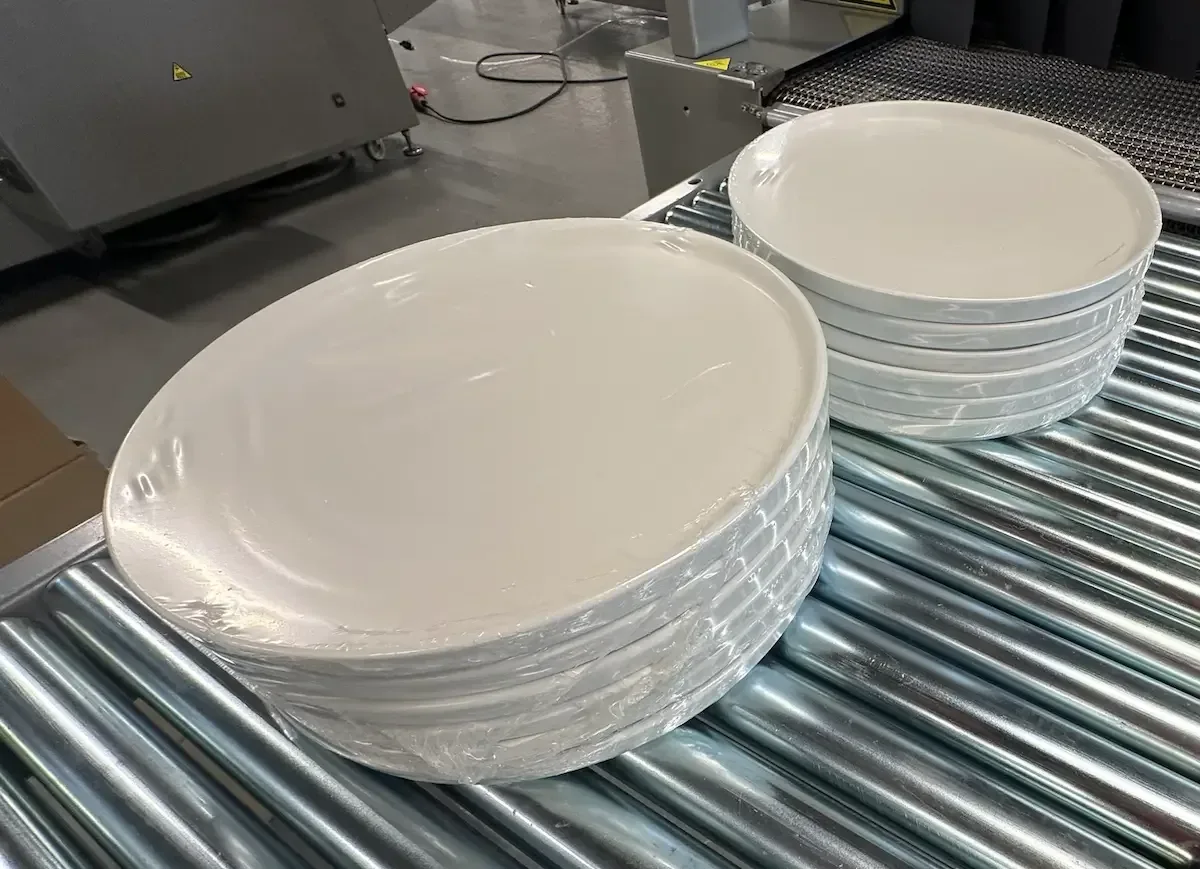
“We have now worked with automated packaging specialists Yorkshire Packaging Systems to develop a new packing system that significantly improves this issue and achieves this with the use of less packaging material overall, further contributing to our environmental goals.”
“With the introduction of pEPR regulations, we’re seeing a growing number of manufacturers prioritising reductions in their packaging material usage,” explained Jaques-Pierre Macchi of YPS. “In response, we’ve been developing and implementing a range of tailored solutions to help our customers achieve meaningful material savings across their operations.”
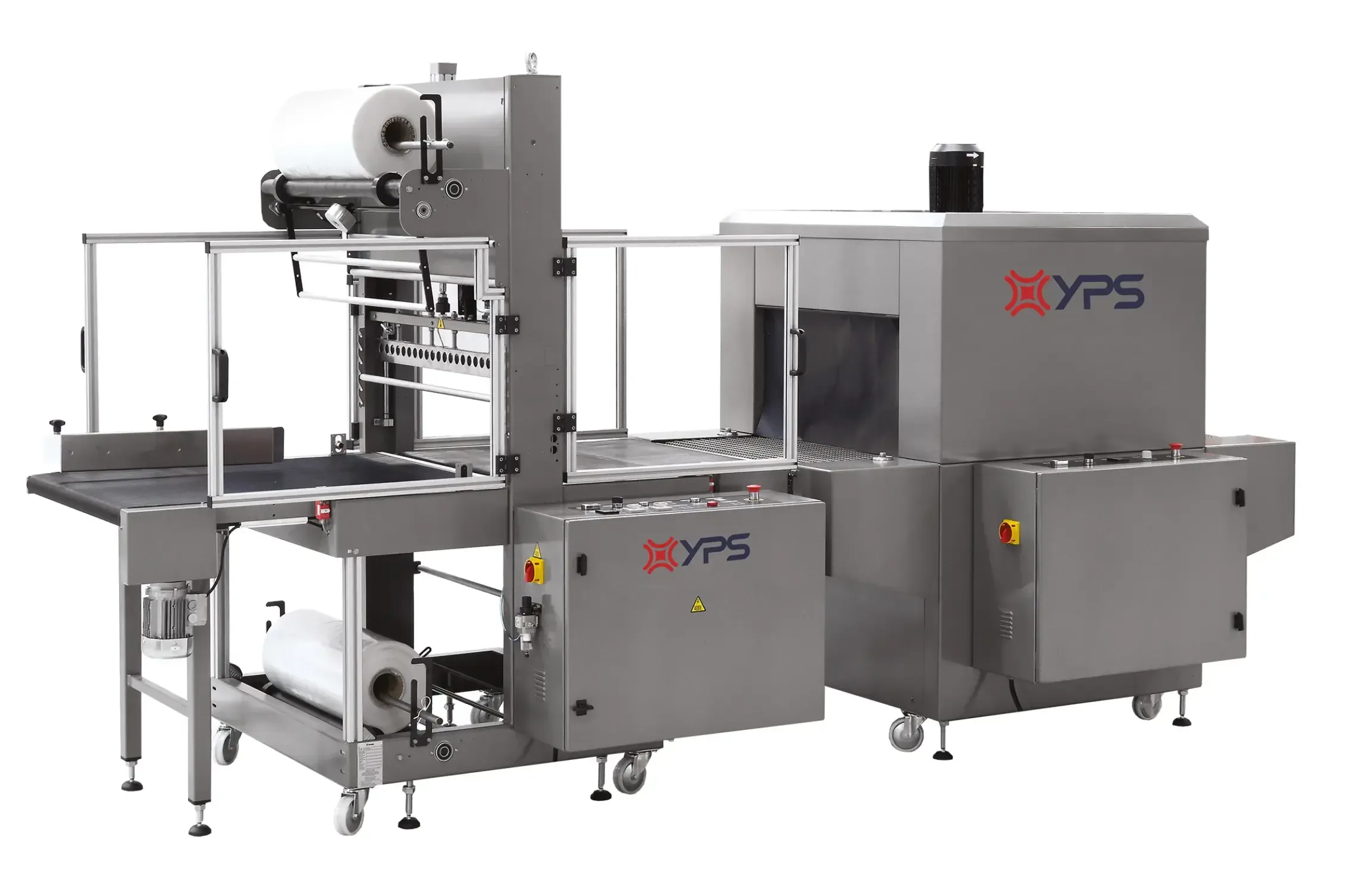
The new automated packaging system combines an inline sleeve wrapper with a kissing conveyor, completed with a heat shrink tunnel. Stacks of products such as plates or bowls are tightly shrink wrapped together to form a secure, cohesive block.
Previously, these stacks of products had been packed with paper between each item, which was manually placed. The shrink wrap achieves such a solid block that the paper is no longer required. This previous method consumed more packaging materials and was labour-intensive and the reductions in both areas have resulted in a lower cost packing solution.
The addition of the kissing conveyor to the system enables the full range of Churchill’s products to be packed in this way, including small items such as dip pots. The conveyor ensures that there is no dead area between the infeed and outfeed, further increasing the stability of the wrapped stacks of products.
“Our new packing system has proved to be a win-win for us with reduced material use, lower costs, increased line speeds and the all-important improvement in product protection,” James commented.
“YPS’ expertise in understanding our requirements and proposing a solution that would achieve all of these improvements in practise proved invaluable to the success of the project.”
Related News
-
Supplier News
YPS: From manual packing to automated fulfilment – how Supreme Vape Nation reduced costs and increased efficiency
-
Supplier News
Panesar Foods invests in YPS shrink wrapping technology to support business growth
-
Supplier News
YPS: Packing staff reduced with automated packing system
-
Supplier News
YPS: Coffee producer delivers perfect pallets with custom-made pallet wrapper
-
Supplier News
YPS: Doubled packaging for doubled pie production
Latest Packaging News

Truly Grass Fed updates packaging in response to consumer preferences
Truly Grass Fed has introduced a refreshed packaging design across its dairy product range, with a...
Miron® introduces refreshed brand identity and website
A new digital experience brings protective glass packaging, expertise, and inspiration together...
Raft of new exhibitors completes the UKPackaging EXPO 2026 line-up
A surge of newly confirmed exhibitors has finalised the floor plan for the highly anticipated...
Registration now open for Packaging Innovations & Empack 2027
The UK packaging and processing community will return to the NEC Birmingham on 24 & 25...