KB Packaging: The vital role of pallet stability in the ecommerce and fulfilment industries
Supplier News
In an era where ecommerce and fulfilment operations are the backbone of retail, the stability of pallets carrying goods across the globe is a critical factor in both the success of businesses and the satisfaction of customers.
This article explores the key role of pallet stability in ensuring efficient, safe, and cost-effective delivery of products.
The ecommerce and fulfilment industries are crucial drivers for the global economy, experiencing rapid growth that demands unmatched efficiency and reliability. In 2022, the market was valued at an impressive £96,247.94 million with expectations to reach around £198.62 billion by 2030.
This growth, averaging an expected rate of 9.5% from 2022 to 2030, highlights the key role of logistics in connecting products with consumers worldwide.By securing goods during transport and storage, pallet stability enhances safety and promotes environmental sustainability, essential for thriving in these rapidly expanding sectors.
During the journey from warehouse to doorstep, unstable pallets carry a significant risk of goods being damaged. This happening carries a steep cost, impacting profits, customer satisfaction, and brand reputation. Every year in the UK, around 82.5 million pallets arrive at their destination damaged, costing companies millions of pounds.
It is estimated that companies are losing as much as 5% of palletised goods due to problems with pallet stability. Addressing these risks is therefore essential for companies aiming to excel in the competitive ecommerce and fulfilment space.
Pallet instability is a significant concern in logistics, leading to potential damage and safety hazards. Key causes and consolidated practices to address them include;
- Insufficient locking of the pallet: Adequate locking of the load to the pallet is crucial. This involves ensuring the wrapping film securely covers at least 33% of the pallet’s height, providing a stable base that minimises the need for additional securing methods.
- Inadequate film performance and optimisation: The performance of the wrapping film is vital, with correct wrapping techniques and sufficient overlap essential, to prevent pallet failure. High-quality wrapping film, particularly nanofilm, can significantly reduce the need for using a large amount of film.
- Pallet stacking pattern and utilisation: Adopting a locking pattern for stacking, as opposed to block stacking, and managing even weight distribution without exceeding stacking heights, is essential for maintaining integrity.
- Poor pallet quality: Utilising pallets in good condition through regular inspections helps avoid instability and potential collapse.
But how can you further refine those practices?
Understanding merchandise attributes:
- Tailoring stacking strategies to the specific features of your products is key. This involves placing heavier goods at the bottom and using careful layering and padding for fragile items to maintain stability during transit.
Selecting the right pallets:
- Plastic pallets, best for lighter loads, offering cleanliness, durability, and space-saving benefits.
- Wooden pallets, ideal for heavier loads due to their strength and affordability.
- Steel pallets, unmatched in durability, these are perfect for very heavy or bulky items.
A systematic approach ensures goods are properly stacked and bound, reducing the risk of displacement or damage.
Even weight distribution is critical. Techniques such as using straps and corner boards enhance the overall stability of the pallet, complimenting the choice of pallet.
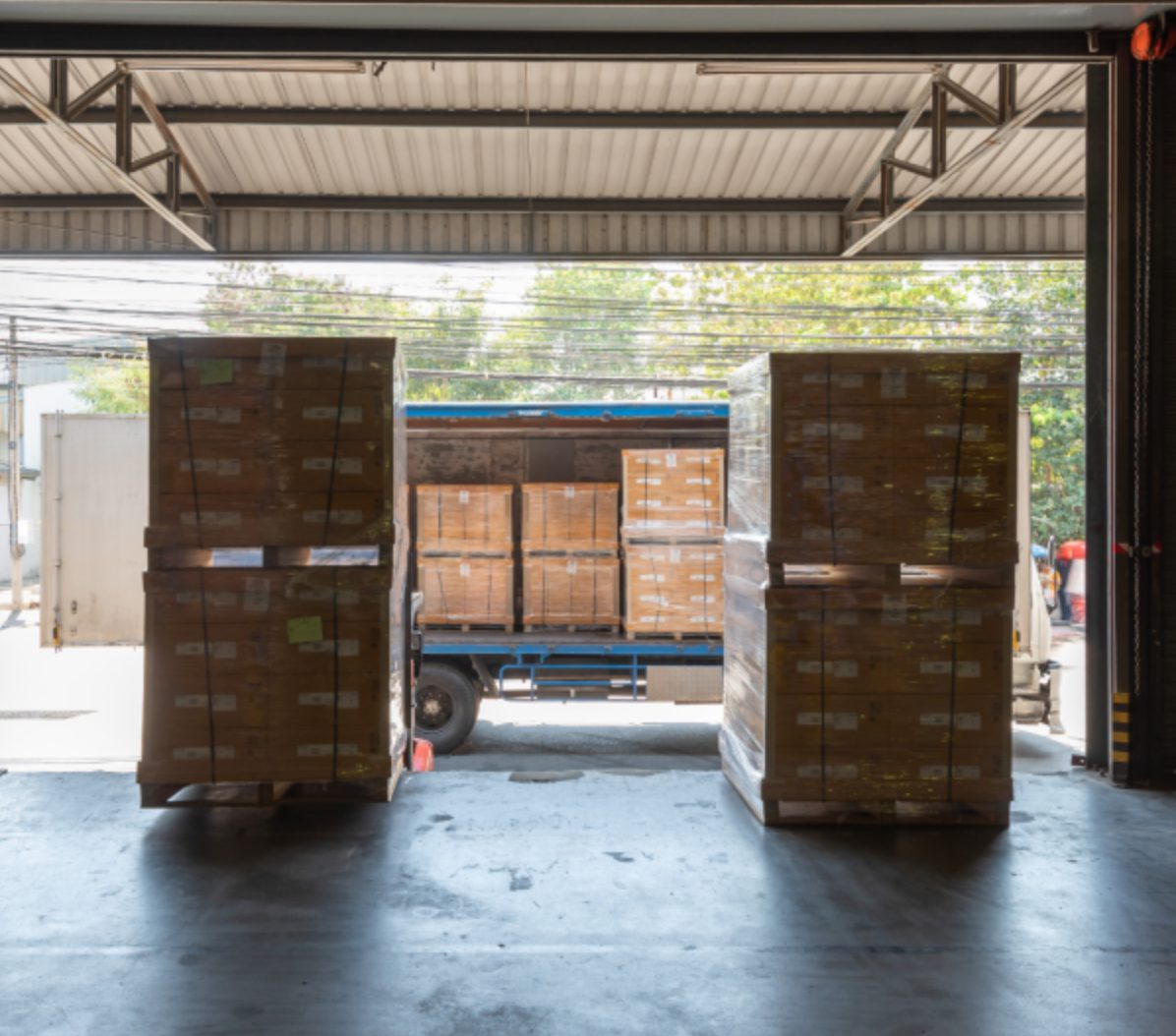
It is important you choose a reliable supplier, we provide expert recommendations and solutions to enhance the security and stability of your items while they are being transported. This includes the provision of layer sheets to improve weight dispersion across the pallet, pallet top sheets, edge protectors, and covers for pallets. We also supply pallet wrap and nanofilm designed for application by hand or machine.
Get in touch via the contact form for more information.
This article was originally published by KB Packaging.

Related News
-
Supplier News
KB Packaging: How paper packaging and automated packing systems provide efficiency to fulfilment
-
Supplier News
KB Packaging: What packaging is used in the fulfilment industry?
-
Supplier News
KB Packaging: Why is packaging important to fulfilment, 3PL and ecommerce?
-
Supplier News
KB Packaging: Sustainable packaging solutions for fulfilment success
-
Supplier News
KB Packaging: Why should you consider branded tape?
Latest Packaging News

Clean and dry, every time: How SUPER DRY helps protect premium egg quality
For high-quality egg suppliers, appearance matters. Even minor shell or quality defects can affect...
Rowlinson Packaging: The hidden cost of product damage and why industrial packaging matters
For many businesses, packaging is often viewed as a procurement decision focused primarily on cost....
Autopack: What is a sealing machine and how does it work?
A sealing machine closes packaging after a product has been filled or packed. Depending on the...
PHS: Automatic pallet wrapper – A practical assessment checklist
Could a faster wrapping machine slow the line down? An automatic pallet wrapper may have an...