PHARMAP 2026: The agile, sustainable, digital pharma plant

Events
The shift towards Pharma 4.0 is revolutionising pharmaceutical manufacturing, introducing highly advanced, digitally interconnected and automated production plants that simplify processes and transform the industry. The future of pharmaceutical facilities is going to be the central theme of discussions at PHARMAP 2026 in Amsterdam on 20-21 April.
Today’s rapidly changing pharmaceutical industry places high demands on manufacturers, whose reputations are built on delivering safe, effective drugs promptly and dependably. Given the stricter regulatory environment, companies that successfully accelerate their processes while upholding high quality standards gain a decisive competitive advantage.
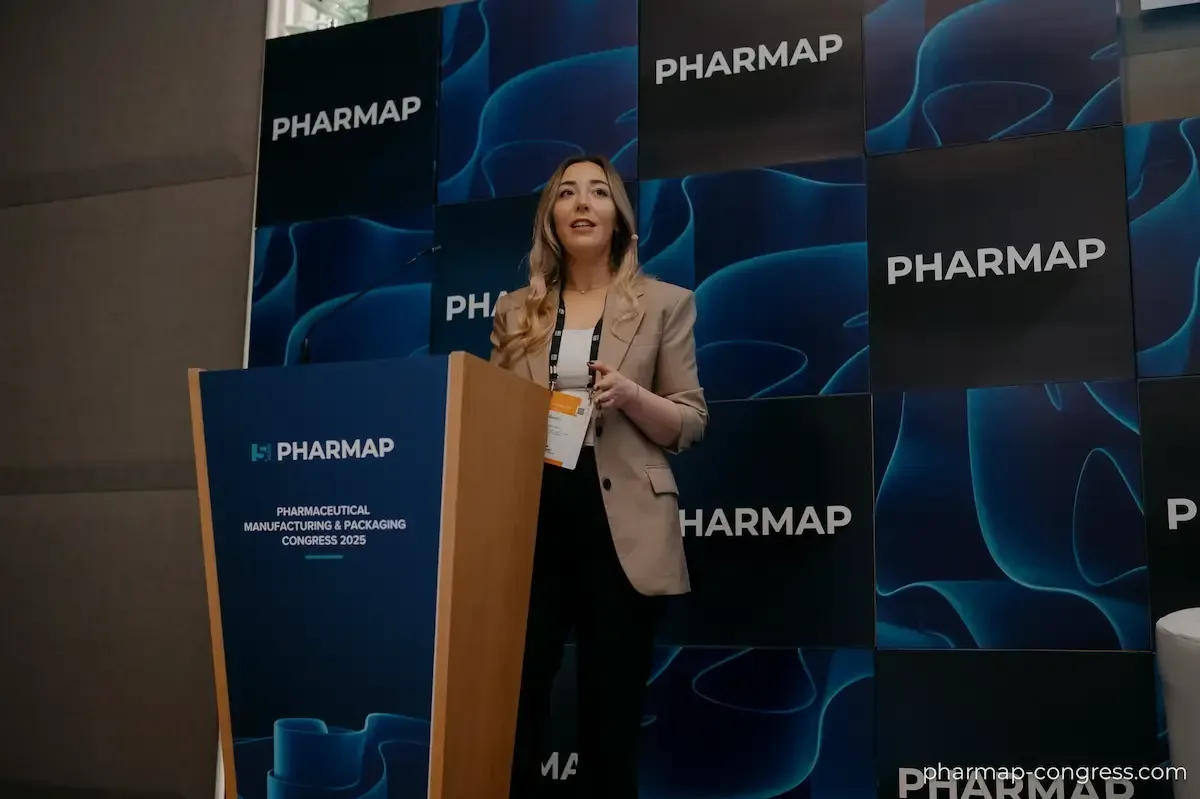
Between 2024 and 2025, major drugmakers significantly invested in expanding and innovating their pharmaceutical manufacturing facilities. This move addressed supply-chain vulnerabilities, capitalised on government incentives and met the rising demand for advanced therapies.
Globally, leading pharmaceutical companies are investing billions in new manufacturing facilities for small-molecule drugs and advanced biologics. For instance, Eli Lilly plans $27 billion for four U.S. “mega-sites,” AstraZeneca is committing $50 billion (through 2030) to expand, including a new Virginia plant and Johnson & Johnson has pledged $55 billion for four new U.S. facilities.
While multiple factors contribute to these ongoing investments, the most significant aspects are the regulation (adapting to new green policies and guidelines) and the innovation (integrating new technologies and processes).
Among the technological advancements reshaping pharmaceutical facility design are modular and automated production platforms, the integration of AI, the IoT and continuous process streamlining.
To remain at the forefront of industry innovation, companies actively participate in major sector events. A key platform for this progress is PHARMAP 2026, designed to foster networking and knowledge-sharing among professionals.
During PHARMAP 2026’s next-gen facilities session, Markus Hartung, VP Region EMEA & Global Commercial Processes at Evonik Operations GmbH, shares insights on their flow technology and granular catalysts for sustainable continuous processing.
The following case study from KAESER’s representative, Callum G. Ross, Business Development Manager - Food & Pharma, examines ways of optimising compressed air station design in the pharmaceutical industry.
Alongside enhancing efficiency and streamlining processes, it is essential to adopt sustainable practices to comply with new regulations and guidelines.
Sika AG - Corporate Construction, through a speech by Jens Engstrand, Regional Business Development Manager TM Flooring EMEA, proposes integrating sustainable construction solutions for pharmaceutical manufacturing facilities.
Ultimately, delegate presentations reveal that manufacturing plants are rapidly developing to meet demands for consistency and efficiency in a dynamic environment. One immediate outcome is clear: by the end of 2025, nearly all major drugmakers will have launched concrete construction projects aimed at expanding production and integrating innovative projects. PHARMAP 2026, in response, initiates progressive dialogues, aiming to offer industry leaders actionable ideas and strategic collaborations for effective project implementation.
To get insights into next-get facilities: https://sh.bgs.group/3lc
Related News
-
Events
How the industry is moving towards a greener future at PHARMAP 2026
-
Events
Unpacking PHARMAP 2026: Advanced technologies and solutions for the industry
-
Supplier News
Why partner with Adelphi Healthcare Packaging?
-
Supplier News
Faster to market with the PrePackaging Service from Faller Packaging
-
Supplier News
New SynTiso line concept from Syntegon revolutionises liquid pharmaceutical filling
Advertisement

Latest Packaging News

Grated cheese goes pocket-sized with limited-edition clip-on packaging
Kraft Natural Cheese has introduced Pocket Parm™, a limited-edition miniature version of its grated...
Truly Grass Fed updates packaging in response to consumer preferences
Truly Grass Fed has introduced a refreshed packaging design across its dairy product range, with a...
Miron® introduces refreshed brand identity and website
A new digital experience brings protective glass packaging, expertise, and inspiration together...
Raft of new exhibitors completes the UKPackaging EXPO 2026 line-up
A surge of newly confirmed exhibitors has finalised the floor plan for the highly anticipated...