Packaging design changes could improve recycling economics in lower-income markets

Sustainability
A new report from The Consumer Goods Forum (CGF) has examined how changes to packaging design could improve recycling outcomes and the value of recyclable materials in low and middle-income countries (LMICs).
Published by CGF’s Plastic Waste Coalition of Action, the report considers the relationship between packaging design, recycling economics and the livelihoods of informal waste workers.
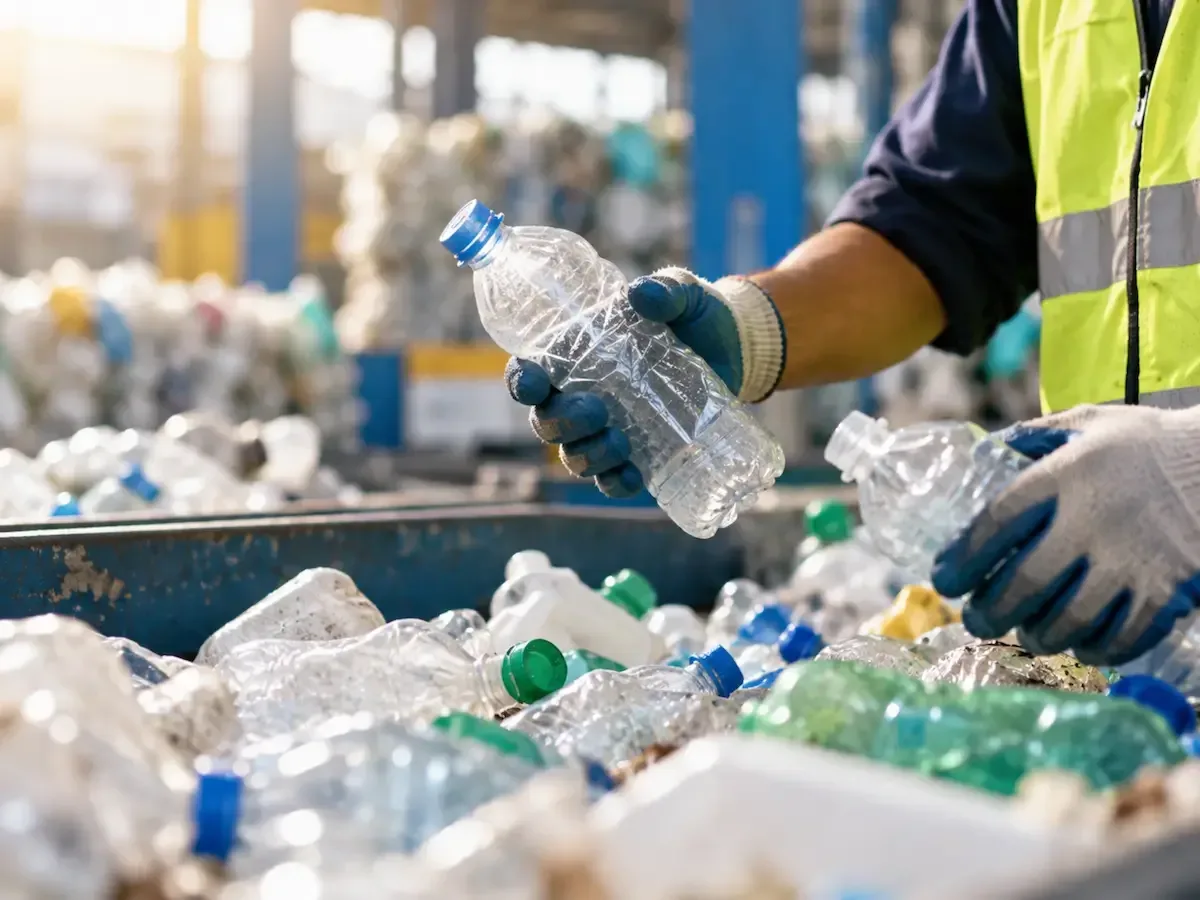
According to the report, packaging containing mixed materials, incompatible labels or components that are difficult to remove can increase costs throughout the recycling process and reduce the value of recovered materials.
This can have a particular impact on informal waste workers, whose earnings are closely linked to the value of the materials they collect and sort. The report states that informal waste workers in LMICs collect and sort around 27 million metric tonnes of plastic waste each year, equivalent to approximately 60% of plastic recovered for recycling globally.
Titled Packaging design in low- and middle-income countries: Designing for circularity to improve recycling economics and benefit informal waste workers’ livelihoods, the report sets out three recommendations for governments, industry associations and producers developing packaging design requirements, Extended Producer Responsibility (EPR) approaches and national standards.
The first focuses on increasing the recycling value of polyethylene terephthalate (PET) bottles. The report recommends the use of uncoloured PET, or transparent blue or green PET where appropriate.
It also recommends making PET bottles and rigid high-density polyethylene (HDPE) packaging easier to recycle by ensuring labels, adhesives, inks, closures, liners and seals are compatible with recycling processes.
Direct printing should be kept to a minimal or moderate level where possible, according to the report, as excessive printing or unsuitable inks can affect recyclability and the quality of recycled material streams. It also recommends avoiding fillers that increase packaging density above 1g/cm³.
A third recommendation calls for clear recycling instructions on packaging, including information about material composition and recycling or reuse. CGF says this could help informal waste workers identify and sort higher-value rigid plastics, particularly in markets where multiple languages are spoken or literacy levels vary.
Packaging design can play a key role in building more circular and inclusive waste management systems. This report shows how relatively simple design choices can make packaging easier and more valuable to collect and recycle, helping to keep materials in circulation while supporting the millions of informal waste workers who are at the heart of collection and sorting systems in many low and middle-income countries.
Cédric Dever, Director of the Plastic Waste Coalition of Action, The Consumer Goods Forum.
The report highlights differences in the value of clear and coloured PET as an example of the potential economic impact of packaging design. It states that clear PET sells for around three times the price of coloured PET in Colombia, while collectors in Indonesia receive approximately 66% more for clear PET.
Material value may also influence collection rates. According to the report, low-value multi-layer packaging accounts for 75% of plastic leaking into the environment in Indonesia.
CGF argues that designing packaging to be easier to sort and process could also reduce contamination and improve the quality and consistency of recycled feedstock. The report suggests this could help recyclers meet buyer requirements while increasing the availability of higher-quality recycled materials for further use.
Related News
-
Events
UKPackaging Expo puts sustainability centre-stage as market pressures intensify
-
Sustainability
Nespresso expands curbside aluminium capsule recycling in New York
-
Sustainability
Full Sustainable Packaging Summit agenda available now!
-
Business
Nearly two-thirds of UK flexible plastic receives red recyclability rating
-
Supplier News
Spectra unveil new PET jar as part of bold 55% recycled content initiative
Latest Packaging News

Clean and dry, every time: How SUPER DRY helps protect premium egg quality
For high-quality egg suppliers, appearance matters. Even minor shell or quality defects can affect...
Rowlinson Packaging: The hidden cost of product damage and why industrial packaging matters
For many businesses, packaging is often viewed as a procurement decision focused primarily on cost....
Autopack: What is a sealing machine and how does it work?
A sealing machine closes packaging after a product has been filled or packed. Depending on the...
PHS: Automatic pallet wrapper – A practical assessment checklist
Could a faster wrapping machine slow the line down? An automatic pallet wrapper may have an...