AMCS: Australia’s major opportunity for plastic packaging reform
Sustainability
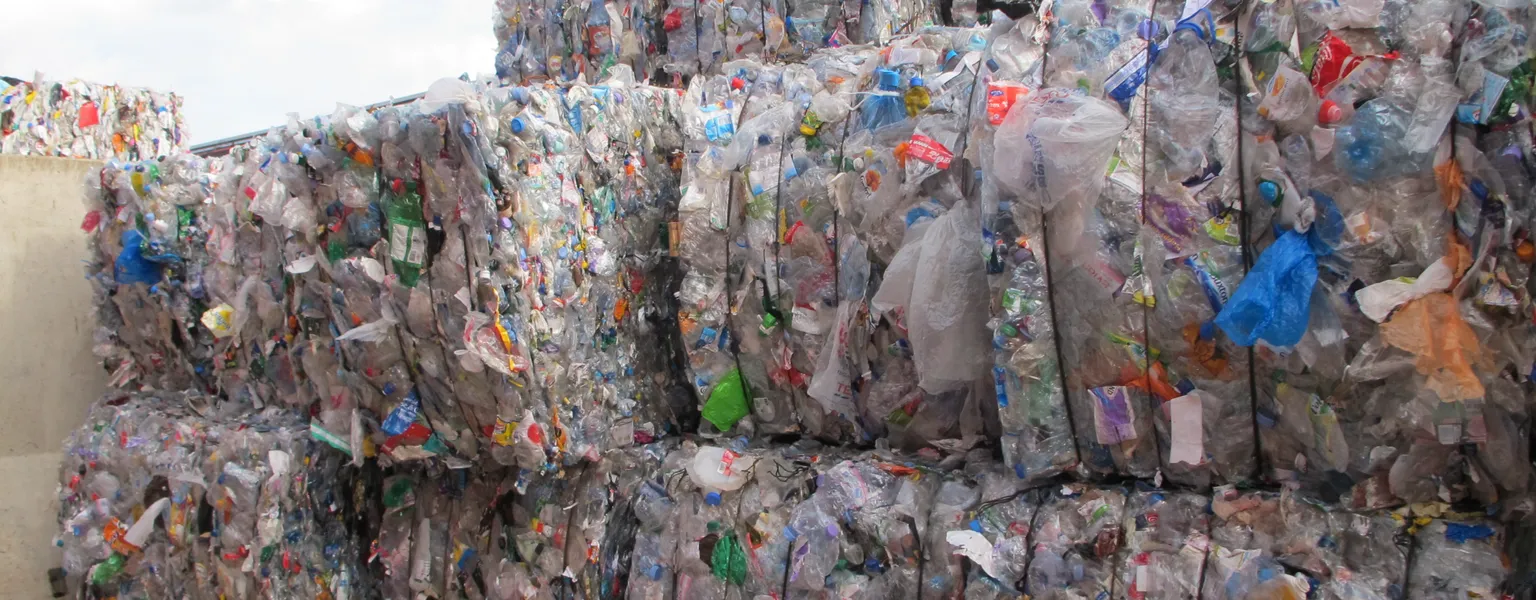
The Australian Government has released a public consultation paper focused on reforming the country's packaging laws. The initiative is aimed at addressing the 7 million tonnes of packaging used annually in Australia, with a particular focus on reducing plastic waste.
The proposed reforms aim to establish new regulations on packaging design, limit the use of harmful chemicals, and introduce mandatory minimum recycled content in packaging. These measures are seen as critical steps in reducing Australia's reliance on plastic packaging, which, according to experts, has not been significantly reduced by voluntary industry efforts alone.
The Australian Marine Conservation Society (AMCS) stated that these reforms represent a significant opportunity for Australia to curb excessive plastic production and move towards prioritising packaging reduction and reuse strategies over recycling.
AMCS Plastics Campaign Manager Cip Hamilton said: “Our lives are wrapped in plastic. It’s around the food we eat and what we drink, it’s in the clothes we wear, and it’s accumulating in our bodies.
“Australia is producing too much disposable packaging – 7 million tonnes a year. Our once pristine beaches are becoming a dumping ground for plastics. Our oceans are already choking in plastic, which is killing our marine life and even turning up in our food. A turtle has a 22% chance of dying if it eats just one piece of plastic.
“Global packaging corporations are making it impossible to avoid needless plastics. The current voluntary actions to cut plastic packaging in Australia have failed, with businesses failing to take sustainability seriously and their lacklustre efforts ineffective at driving the scale and pace of change needed to reduce plastic pollution.
“The Australian government has put three options on the table to change the way businesses package goods in Australia. The new laws must tackle the shocking amount of disposable plastic packaging that businesses are forcing on us. Businesses need to be held to account, and to reduce their reliance on disposable plastic packaging. The new laws must introduce mandatory targets for plastic reduction, that prioritise avoidance and reuse, ahead of recycling and composting.
“Plastic pollution occurs across the lifecycle of plastic products, so relying on recycling will not end plastic pollution, and will not address the critical environmental concerns facing our planet.
“Australia needs genuine policies and regulations that focus on reducing consumption of needless plastics, and sets a clear pathway to support businesses to enact solutions at the scale needed to inflict real change. Australia now has the opportunity to set the system up that will drive down disposable plastics, and shift businesses and communities to a system that ends plastic pollution.”
Related News
-
Sustainability
Australian government funds new soft plastics recycling facility
-
Sustainability
Coles unveils recyclable paper bag packaging for mandarins
-
Business
Cadbury Australia partners with Amcor for PCR plastic packaging
-
Sustainability
Uber Eats and Planet Ark partner for sustainable packaging in Australian restaurants
-
Sustainability
Melbourne welcomes Victoria’s largest PET plastic recycling plant
Advertisement

Latest Packaging News

OMAG: Packaging for nutraceuticals – greater flexibility, less waste
Designing the right format means improving productivity, sustainability and the final user...
Coca-Cola, Nestlé and Danone agree to revise recycling claims on plastic bottle labels
Coca-Cola, Nestlé and Danone have agreed to amend recycling claims displayed on their plastic...
Students develop recyclable curry and rice packaging for Pho
Two students from Sheffield Hallam University have won Deliveroo's 2026 Sustainable Packaging...
Hormel introduces portioned bacon packaging to reduce food waste
Hormel has introduced a new packaging format for its BLACK LABEL Original Bacon range, designed to...