Paramount Packaging Systems: the changing landscape of bakery packaging – what producers need to know

Supplier News
Packaging in the bakery sector is evolving quickly. Rising labour costs, increasing difficulty in finding staff, a growing number of different products and ongoing sustainability pressures are all forcing bakeries across the UK and Ireland to rethink how their packaging lines operate.
Whether you’re producing biscuits, bread, cakes, pastries or snack bars - the most efficient packaging approach today is about more than just speed. It’s about balancing automation, flexibility, cost control and sustainability.
We asked the Paramount Packaging Systems team to share their key considerations when evaluating the most efficient way to package bakery products. Here’s what they came back with.
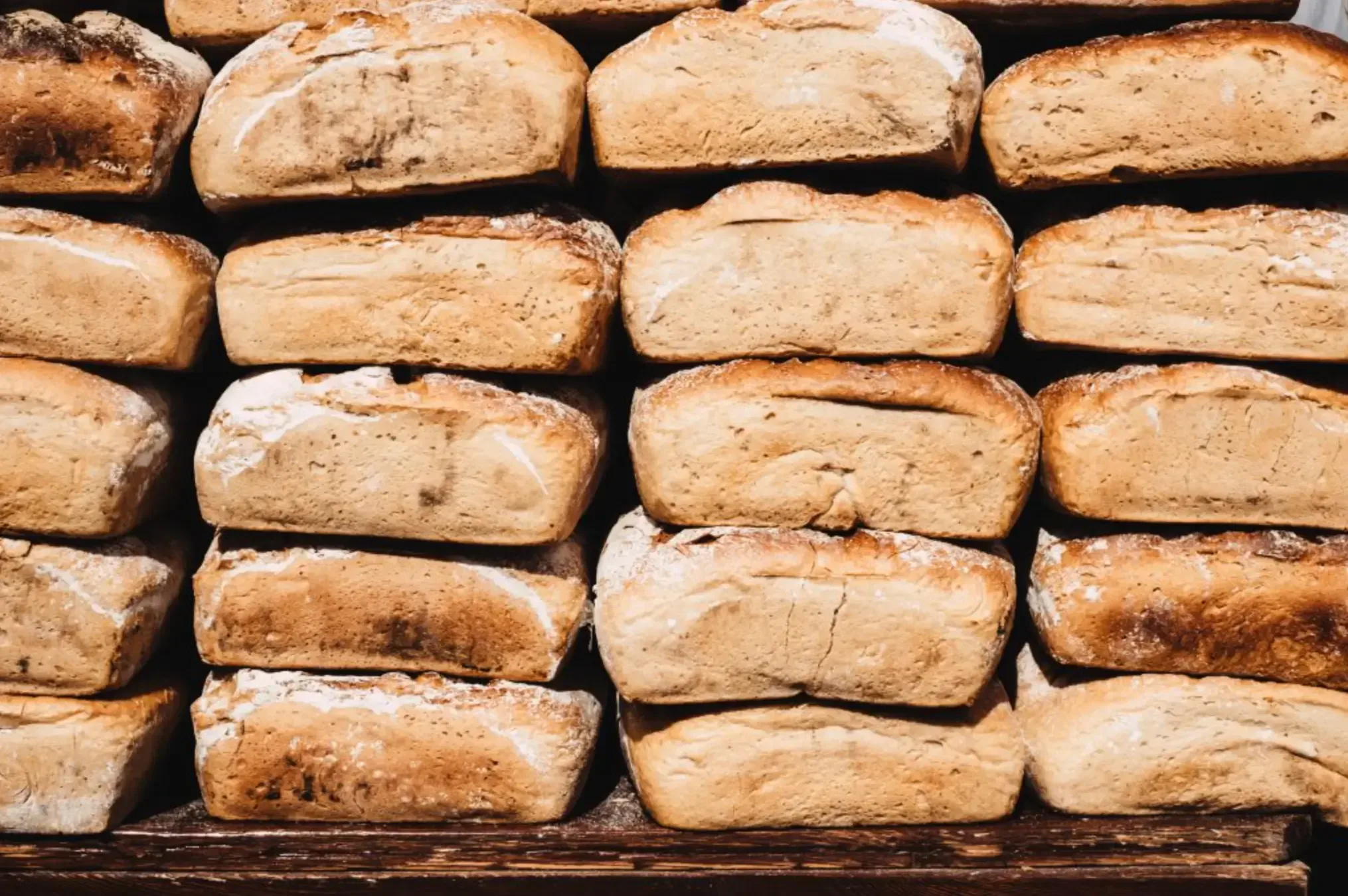
1. Reducing labour through smart automation
Labour availability and cost are two of the biggest challenges facing bakeries today. Many production lines still rely heavily on manual loading, particularly for delicate or irregular products.
The most efficient operations are moving towards automation, but not always in the way people expect.
Rather than jumping straight to fully robotic systems, many bakeries are finding success with simple, mechanical automation, such as:
- Automated infeed and transfer systems
- Slug feeders and collators
- Lane merging and product spacing solutions
In many cases, this type of automation is paired with flow wrapping systems such as Fuji machines, creating a consistent, labour-efficient line without adding unnecessary complexity.
These systems can significantly reduce manual handling while remaining:
- More cost-effective
- Easier to maintain
- Better suited to space-constrained production environments
2. Flexibility is no longer optional
Bakery production is rarely static. Product ranges are constantly changing, whether that’s switching from sub rolls to batch rolls, moving between different pack sizes, or introducing new lines.
This is driven by:
- Seasonal demand
- Retailer requirements
- New product development
- Changing consumer trends
From single packs to multi-packs, and from biscuits to soft cakes, packaging systems need to handle a wide range of products and formats.
The most efficient setups are those that can adapt quickly without requiring multiple dedicated lines. In practice, this often comes down to the capability of the flow wrapper, with systems like Fuji box motion machines allowing bakeries to run different products and pack styles on the same line with no tooling changes.
Flexibility reduces complexity, improves utilisation and allows bakeries to respond faster to demand.
3. Quick changeovers keep lines moving
With more products and formats comes the need for frequent changeovers. Long, manual changeovers can quickly erode efficiency and create production bottlenecks.
Packaging systems that offer:
- Tool-less adjustments
- Repeatable settings
- Fast format changes
- Allow operators to switch between products quickly and consistently.
Modern flow wrappers, including Fuji box motion flow wrappers are designed with repeatability in mind, helping reduce operator dependency and ensuring consistent setup across shifts.
Reducing changeover time improves productivity and supports smaller batch runs, which are becoming more common across the bakery sector.
4. Film reduction: A key cost and sustainability driver
Sustainability is a growing priority for both retailers and consumers, and bakery producers are under pressure to reduce packaging waste.
One of the most effective ways to achieve this is by lowering film gauge and optimising material usage. This delivers two key benefits:
- Reduced packaging costs
- Lower environmental impact
However, thinner and more sustainable films can be more challenging to handle and seal. Efficient packaging systems must be capable of running these materials consistently without increasing waste or compromising pack quality.
This is where induction heater and box motion technology becomes important, as it provides greater control over sealing, allowing machines such as Fuji flow wrappers to run lighter films without sacrificing seal integrity.
5. Consistent seal quality – even with challenging products
Bakery products present unique sealing challenges. Items may be:
- Fragile or crumbly
- Soft or sticky
- Still warm when packaged
Maintaining consistent seal quality in these conditions is essential for protecting freshness and ensuring shelf appeal.
Box motion sealing systems, commonly used in Fuji machines, help maintain consistent pressure and dwell time, even at higher speeds or with difficult products.
Poor seals can lead to:
- Product spoilage
- Increased waste
- Reduced consumer confidence
Reliable sealing performance is therefore a critical part of any efficient bakery packaging process.
6. Efficiency at speed
Bakery production lines often run at high speeds, particularly for products like biscuits and snack bars. Packaging must keep pace without sacrificing consistency or quality.
Instability at speed can result in:
- Misfeeds
- Poor sealing
- Increased rejects
Efficient systems are those that can maintain performance under pressure. In many cases, this comes down to the stability of both the infeed and the flow wrapper, with well matched systems such as Fuji wrappers helping maintain consistent output across long production runs.
7. Automation that fits the factory
While robotic pick-and-place systems are becoming more common in some industries, many bakeries face practical limitations, particularly around space.
As a result, there is a growing trend towards compact, mechanical automation solutions that:
- Deliver many of the same labour-saving benefits
- Require less space
- Integrate more easily into existing lines
These systems are often combined with compact flow wrapping solutions, such as Fuji machines, to create efficient lines without the footprint or complexity of full robotic systems.
8. Integration across the line
Packaging doesn’t operate in isolation. Efficient bakery operations rely on seamless integration between:
- Cooling systems
- Product handling and feeding
- Wrapping
- Labelling and coding
- End-of-line packing
A well-integrated line — from infeed through to flow wrapping and beyond reduces manual intervention, improves product flow and ensures consistency from oven to finished pack.
What next?
The most efficient way to package bakery products isn’t about adopting the most complex technology. It’s about choosing the right balance of automation, flexibility and material efficiency for your operation.
By focusing on:
- Reducing labour through practical automation
- Enabling fast and flexible changeovers
- Optimising film usage
- Maintaining consistent performance at speed
…bakeries can build packaging processes that reduce cost, improve reliability, and support long-term growth.
If you’re exploring ways to improve your bakery packaging processes, Paramount Packaging Systems can support with everything from product handling through to integrated flow wrapping solutions, including Fuji systems.
This article was originally published by Paramount Packaging Systems.

Related News
-
Supplier News
Paramount Packaging Systems: Automation secures the future of a traditional bakery
-
Supplier News
Paramount Packaging Systems: 65% film reduction in field-based lettuce wrapping
-
Supplier News
Paramount Packaging Systems: UK mushroom grower cuts costs and increases throughput with FUJI Alpha flow wrapper
-
Supplier News
Paramount Packaging Systems: what is the most efficient way to package poultry?
-
Supplier News
Paramount Packaging Systems: What to consider when future-proofing dairy packaging systems
Latest Packaging News

Raft of new exhibitors completes the UKPackaging EXPO 2026 line-up
A surge of newly confirmed exhibitors has finalised the floor plan for the highly anticipated...
Registration now open for Packaging Innovations & Empack 2027
The UK packaging and processing community will return to the NEC Birmingham on 24 & 25...
Clean and dry, every time: How SUPER DRY helps protect premium egg quality
For high-quality egg suppliers, appearance matters. Even minor shell or quality defects can affect...
Rowlinson Packaging: The hidden cost of product damage and why industrial packaging matters
For many businesses, packaging is often viewed as a procurement decision focused primarily on cost....