Macsa Id UK SPA2 CO2 laser coders ideal for marking cardboard pots used for dairy products
Supplier News
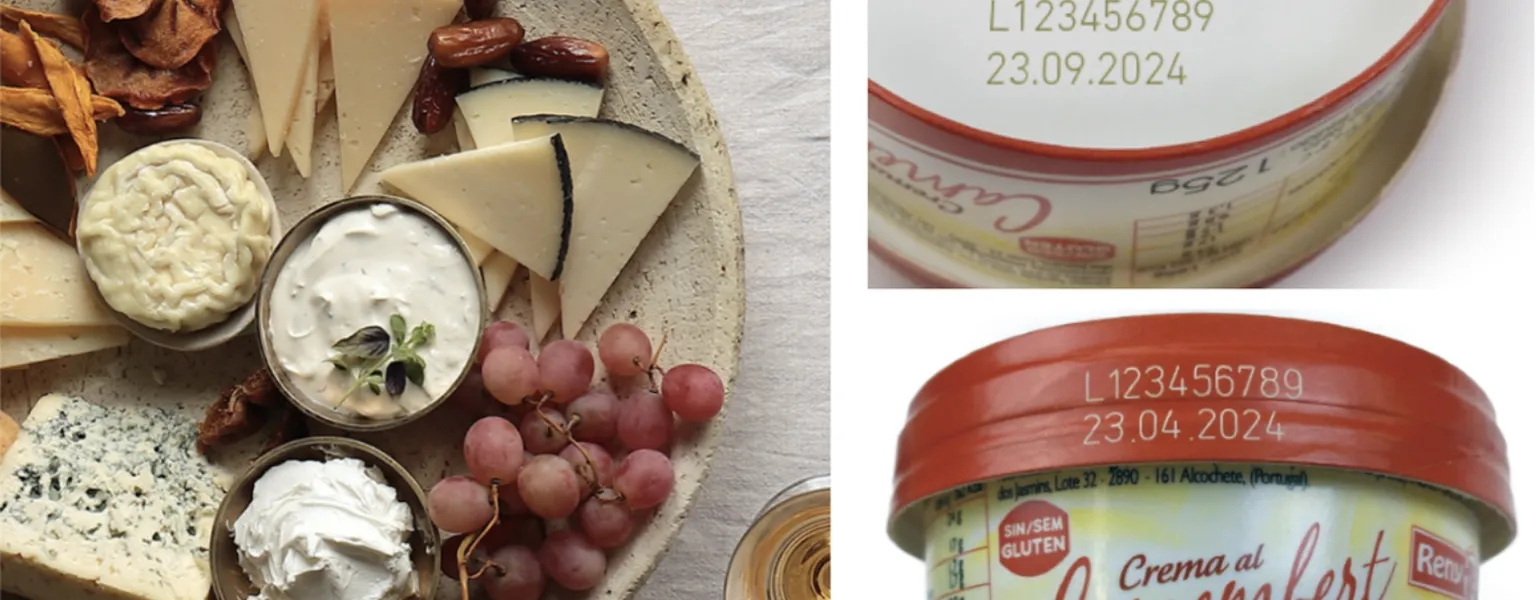
Macsa id UK – leading manufacturer of high performance coding and marking systems for the global food industry – is highlighting the suitability of its modular SPA2 CO2 laser coding systems for marking the printed cardboard pots that are increasingly popular for packaging dairy products such as spreadable cheeses.
Cardboard is widely used by dairy processors and manufacturers due to its effective thermal insulation, light protection and recyclability – ensuring the quality of products throughout the supply chain. Board is also sustainable, light weight and versatile which makes it particularly suitable for bespoke designs in a range of shapes and styles.
In line with food safety requirements, laser marking surpasses traditional ink methods by providing accurate and durable markings whilst ensuring traceability.
Laser marking on cardboard offers significant advantages, such as precise coding on high speed production lines, accurate reproduction of details, durability of the marking and the ability to handle various types of board, including coated or specially finished ones.
Additionally, laser coding technology is fume free, does not require consumables and generates zero waste, making it environmentally friendly, eco-conscious and more efficient. Plus, the non-contact marking process prevents wear and deterioration of the pack.
Macsa id recently supplied a SPA2 30 CO2 laser coding system to mark printed cardboard pots for cheese. The machine uses a light beam to strike the pack in a controlled manner, removing the surface layer of paint. The mark, which features a lot number and expiration date, is highly legible and accurate with exceptional sharpness.
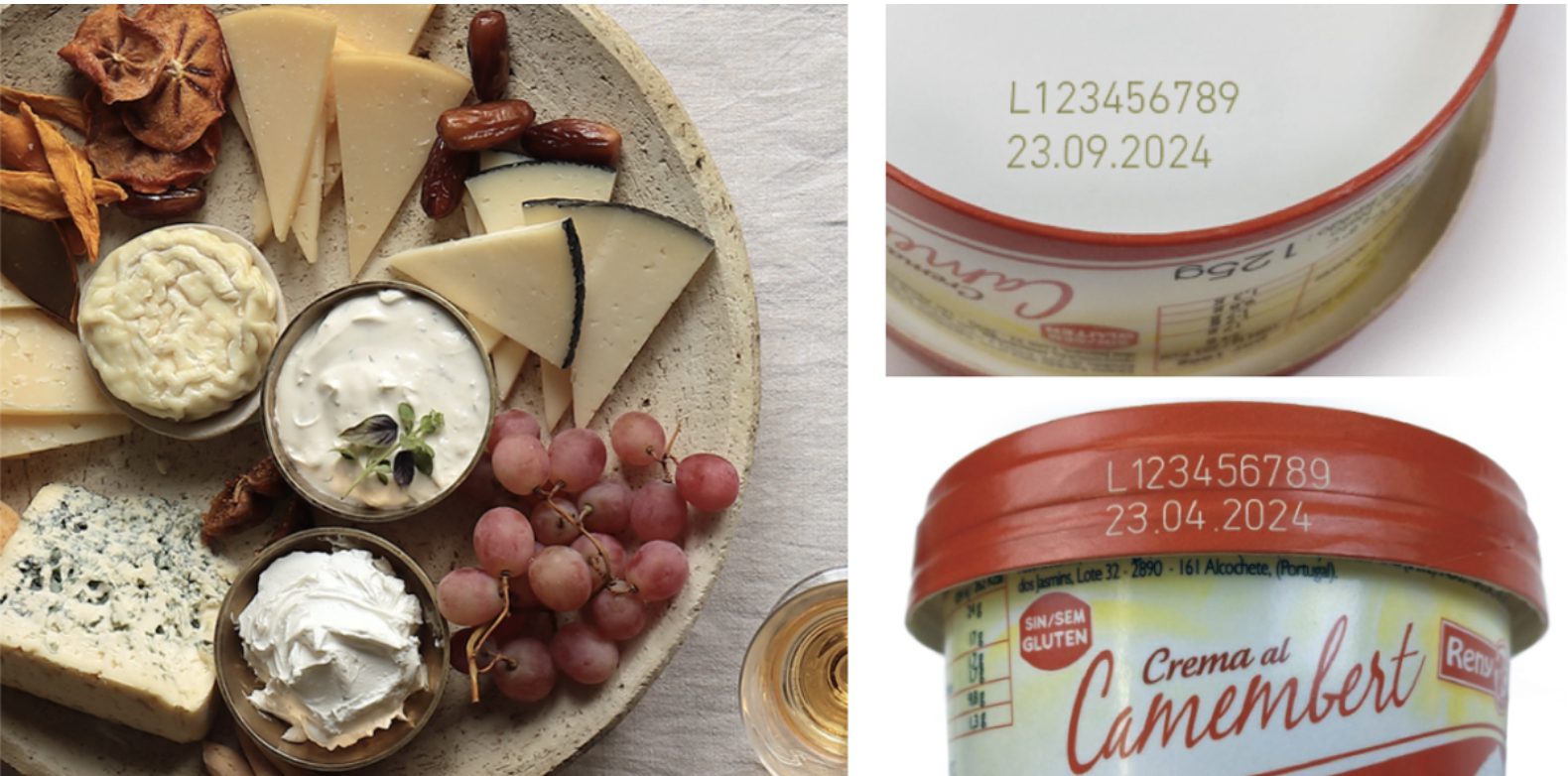
The intensity and clarity of the marking depends on the colour of the cardboard pots – for example, dark backgrounds such as blue, black, green and brown offer higher contrast than light colours like yellow and orange. However, dark colour reserves can also be applied to highlight markings in these lighter coloured backgrounds.
Macsa id’s flexible SPA2 range of 10W, 30W and 40W CO2 laser coders are ideal for high speed packaging applications. The advanced machines are typically used to code paper and board, glass and ceramics, coated materials, PET and PVC.
Easily integrated with any production line or application, the SPA2 lasers are exceptionally simple to install, program and operate. A wizard supports installation and online help videos, technical guides and tips can be accessed via a new 10-inch handheld touchscreen controller designed to make programming quicker and to eliminate operator errors. The SPA2 models can also be controlled direct from a PC via an ethernet link or PLC with Profinet or OPC-UA.
The SPA2 connector box offers a wide range of communication ports, enabling the system to be integrated with all elements of the production line. These new lasers support Macsa’s Optima software for real time control and compatibility with desktop printers, label printer applicators and label applicators.
Macsa id’s SPA2 laser coders are available with a comprehensive range of software, accessories and services. Get in touch for more information.

Related News
-
Supplier News
Macsa Id UK appoints Regional Sales Manager for the South
-
Supplier News
Macsa Id UK to showcase UV laser coder and thermal inkjet printer at PPMA
-
Supplier News
Macsa Id helps world renowned winery automate its coding, marking and labelling process
-
Supplier News
Macsa Id: Laser marking on polyethylene and recycled polypropylene freezer bags
-
Supplier News
Macsa Id: Packaging marking and coding in the biotech sector
Latest Packaging News

YPS: Faster, lower cost packs for Amazon Liquids Seller of Rubio Monocoat
Rainbow Chalk Markers Ltd, the makers of Rubio Monocoat, a specialist wood oil product, have...
OMAG: Packaging for nutraceuticals – greater flexibility, less waste
Designing the right format means improving productivity, sustainability and the final user...
Coca-Cola, Nestlé and Danone agree to revise recycling claims on plastic bottle labels
Coca-Cola, Nestlé and Danone have agreed to amend recycling claims displayed on their plastic...
Students develop recyclable curry and rice packaging for Pho
Two students from Sheffield Hallam University have won Deliveroo's 2026 Sustainable Packaging...