ID Technology permanent markings for wine packaging
Supplier News
Laser coding for permanent markings
There are a number of ways to print production codes onto your wine bottles as you package them, but only one becomes a permanent part of the bottle.
Laser coding technology etches the print into the glass, producing permanent markings – you don't have to worry about anyone washing it away, or using solvents to remove it. This is ideal for ensuring traceability for your products, especially important for high-value wines.
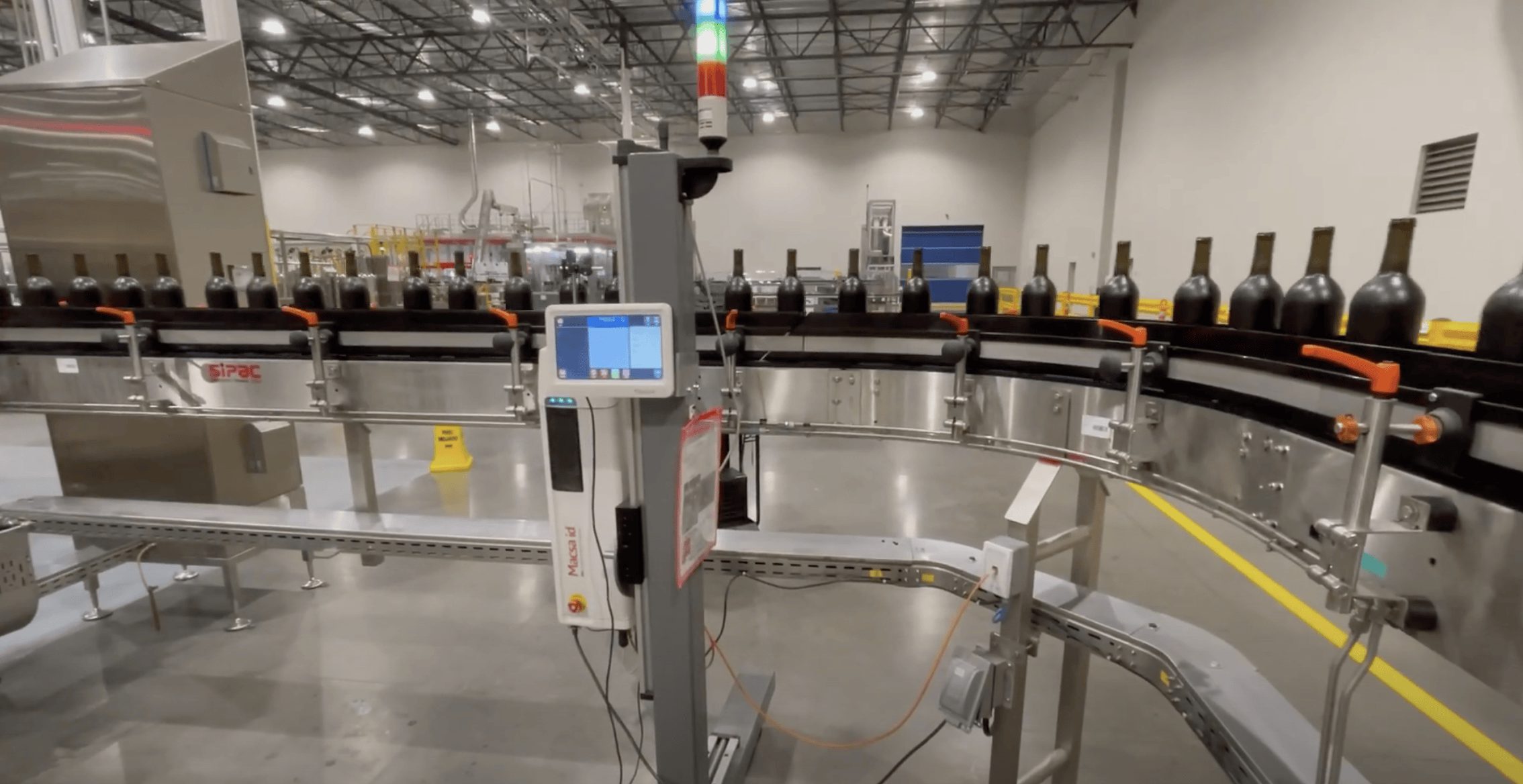
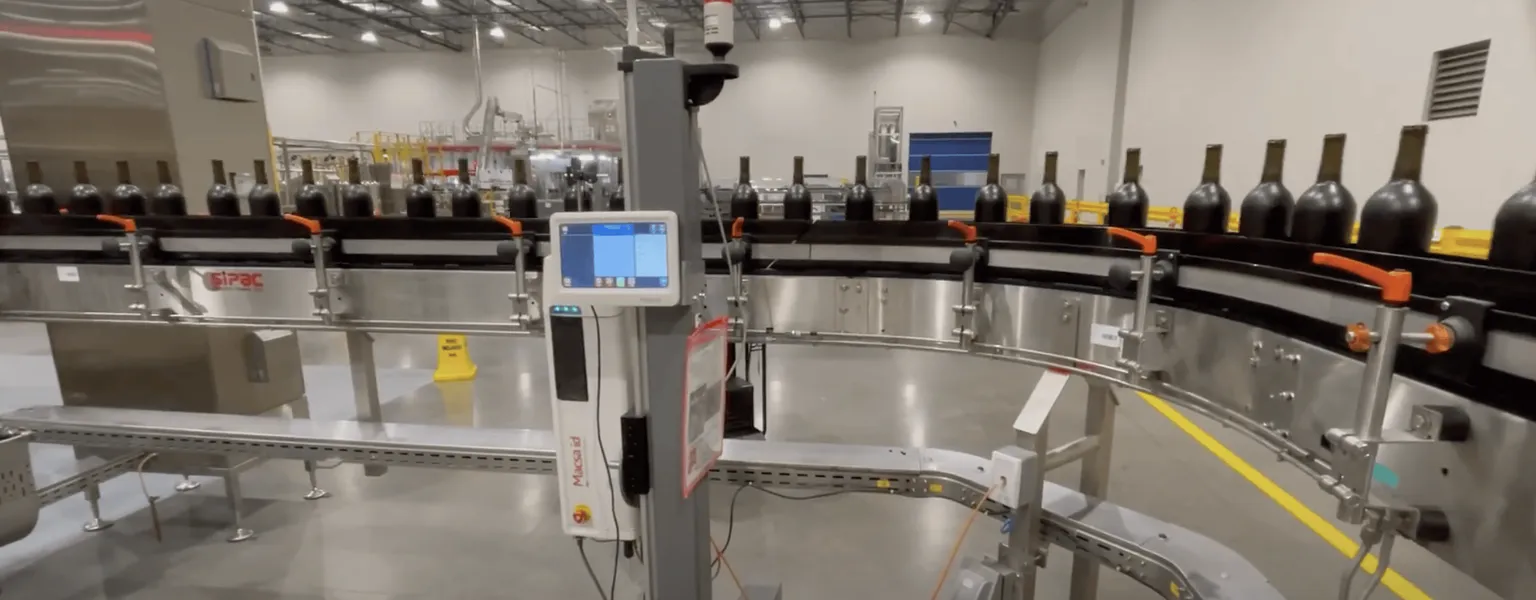
ID Technology Macsa lasers are ideal for use in the wine industry and are available in a wide range of models to suit particular applications.
CO2 lasers can be configured with power ratings from 10 Watts to 100 Watts and environmental protection of IP31, IP54, or IP65.
Macsa lasers can be installed on any production line and can code directly to the glass or on the label – depending on your needs.
In some cases, our lasers are installed in glass making plants, adding traceability codes to bottles as soon as they are produced.
Other types of packaging
Do you package your wine in other package types, such as Tetrapak or perhaps in cans?
Lasers coders are excellent for these applications as well – always producing excellent code quality, without the need for consumables.
Advantages of laser coding
Laser coders are often chosen for coding wine products, as well as for many other types of food and beverage. As well as the ability to produce excellent print quality, with codes that are not able to be washed off, lasers also have some other advantages over conventional printer systems:
- Lasers don't use consumables, there are no inks or chemicals to purchase and manage.
- Legacy printers often use solvents, either in inks or for cleaning. This is not required for lasers, making them a sustainable option.
- Compared to legacy printers, lasers need very little maintenance – this leads to lower operating costs and higher line efficiency.
- Macsa lasers are very efficient, providing lower energy use than competing technologies.
How Can We Help?
As well as the laser coding solutions, ID Technology also provides product labelling equipment, print/apply labelling systems for shipping cases and pallets, high-quality labels, and more.
So whether you need to produce permanent marks on your wine packaging, or you need anything else, we'd love to help.
This article was originally published by ID Technology.

Latest Packaging News

Truly Grass Fed updates packaging in response to consumer preferences
Truly Grass Fed has introduced a refreshed packaging design across its dairy product range, with a...
Miron® introduces refreshed brand identity and website
A new digital experience brings protective glass packaging, expertise, and inspiration together...
Raft of new exhibitors completes the UKPackaging EXPO 2026 line-up
A surge of newly confirmed exhibitors has finalised the floor plan for the highly anticipated...
Registration now open for Packaging Innovations & Empack 2027
The UK packaging and processing community will return to the NEC Birmingham on 24 & 25...