PMMI report highlights growing challenge of equipment obsolescence

Business
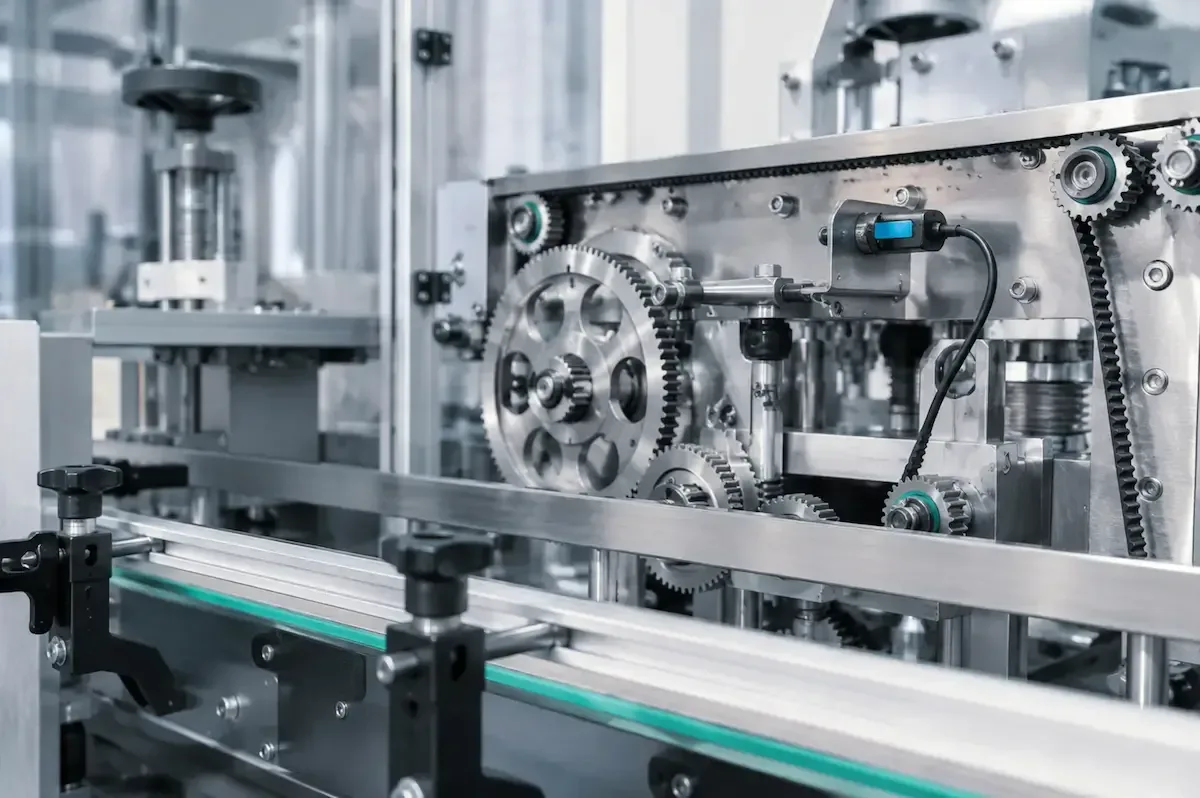
A new report published by PMMI Business Intelligence, part of PMMI, The Association for Packaging and Processing Technologies, identifies equipment obsolescence as an increasing challenge for manufacturers, with software, digital systems and electronic components among the areas most frequently affected.
The report, Managing Obsolescence, states that advances in technology remain the primary driver of obsolescence, although equipment failures, digital compatibility issues, material availability and rising costs also contribute.
According to the report, stronger collaboration between end users, original equipment manufacturers (OEMs) and component suppliers could help improve planning, reduce operational disruption and better prepare businesses for future obsolescence events.
Despite the potential impact on operations and costs, the report found that many end users, OEMs and component manufacturers have yet to establish formal obsolescence management processes or appoint dedicated personnel responsible for managing the issue. It also notes that communication surrounding obsolete components is often provided later than preferred, with replacement parts remaining available for shorter periods than many organisations would like.
The report outlines a range of strategies currently used to manage obsolescence. End users commonly increase spare parts inventories, identify alternative components, invest in replacement machinery and extend equipment life through preventative maintenance programmes. They also encourage OEMs to provide earlier notification of obsolescence, minimise the use of custom components and support long-term planning.
OEMs, meanwhile, typically respond by offering conversion kits, developing replacement components or recommending new equipment. According to the report, OEMs also seek earlier communication from component manufacturers, together with greater transparency around product development and discontinuation plans.
To support customers, some component manufacturers provide explanations for product withdrawals, recommend alternative components and supply information on expected product lifecycles and conversion costs.
The report concludes that improved communication, more structured planning and greater collaboration across the supply chain could help reduce the operational impact of obsolescence and minimise disruption caused by component shortages or discontinued products.
It also highlights the importance of providing end users with sufficient data to incorporate obsolescence into total cost of ownership calculations and long-term equipment management strategies.
Visit packexpointernational.com to learn more and register.
Related News
-
Business
New PMMI report reveals sustainability is reshaping packaging and processing equipment requirements
-
Business
interpack and PMMI agree on strategic partnership – Memorandum of Understanding signed
-
Technology
PMMI: AI gains ground in packaging industry
-
Events
PACK EXPO East 2026 marks 10 years of innovation with new show features and expanded education
-
Business
PMMI study finds hiring skilled operators remains a challenge for packaged goods companies
Latest Packaging News

Jenton win the Automate UK Award for Innovative Processing System
Jenton International, an innovative packaging, automation and UV specialist for over 53 years have...
UK retail collection points now accept plant-based beauty packaging
MYGroup has partnered with UK materials company Shellworks to provide a new recycling option for...
Collectible coffee cans feature characters from Marvel's Avengers: Doomsday
Coffee brand happy has partnered with Marvel Studios to introduce a limited-edition range of...
NIVEA Creme tin now contains 95% recycled aluminium
Novelis and Beiersdorf have announced that the NIVEA Creme tin is now manufactured using 95%...